

What's Happening?
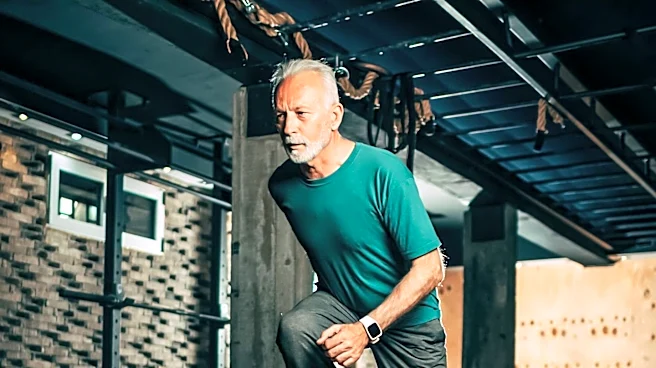
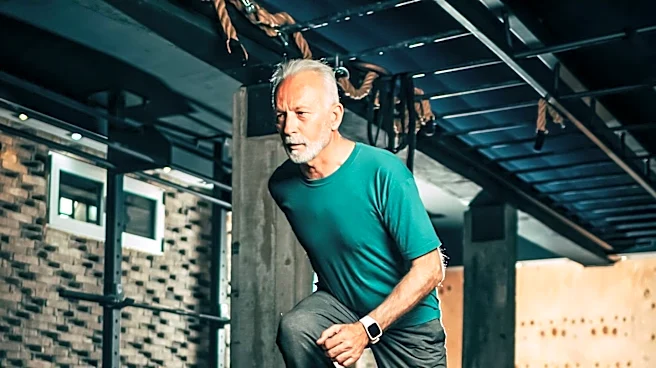
A recent U.S. News & World Report survey of 63 health experts, including medical doctors, longevity specialists, and dietitians, has identified consistent physical activity, a nutrient-dense diet, and high-quality sleep as the most effective habits for
healthy aging. The survey, conducted for the second time, coincides with September being Healthy Aging Month. Experts largely favored these traditional approaches over biohacking methods. Only 26% of experts considered intermittent fasting effective for healthy aging, and 31% stated that none of the listed biohacking methods, including peptide use, were beneficial for longevity. The survey also noted the increasing prevalence of biohacking, where individuals self-experiment to optimize their biology for health and performance.
Why It's Important?
This survey is significant for the U.S. population, which is rapidly aging, with the share of those over 65 projected to increase from 12.4% to 18% by 2025. The findings provide clear guidance on evidence-based strategies for healthy aging, contrasting with the often unregulated and unproven claims associated with biohacking. By emphasizing fundamental habits, the survey empowers individuals to make informed choices that are accessible and widely supported by medical consensus. This can help steer public health efforts and individual decisions towards practices with established benefits, potentially reducing reliance on costly or unverified methods. The rejection of many biohacking techniques by experts also highlights a critical need for caution and scientific validation in the pursuit of longevity and health optimization.
What's Next?
The insights from this U.S. News survey are likely to influence public health messaging and individual health strategies across the U.S. Shanley Chien, senior health editor at U.S. News, emphasized that the survey focuses on extending a person's 'health span'—the duration of good physical and mental health—rather than an anti-aging narrative. This perspective suggests a continued focus on maintaining independence and cognitive strength. Future discussions and recommendations from health organizations may further reinforce the importance of these foundational habits. The survey also highlighted the impact of social interaction on longevity, with 59% of experts identifying social isolation as a significant accelerator of biological aging, suggesting that community and social programs could become a more prominent part of healthy aging initiatives.
Beyond the Headlines
Beyond the immediate health recommendations, this survey touches upon the broader societal trend of seeking quick fixes and technological solutions for complex biological processes. The skepticism among experts regarding biohacking methods, such as intermittent fasting and peptide injections, reflects a scientific community that prioritizes rigorous evidence over anecdotal claims. This dynamic underscores the ongoing tension between popular health trends and established medical science. The survey's emphasis on 'unglamorous' but effective basics also highlights a potential disconnect between public perception and expert consensus regarding what truly contributes to long-term health. It implicitly calls for a more critical approach to health information and a greater reliance on validated scientific research, especially as the U.S. population continues to age and seek ways to maintain vitality.