
What's Happening?
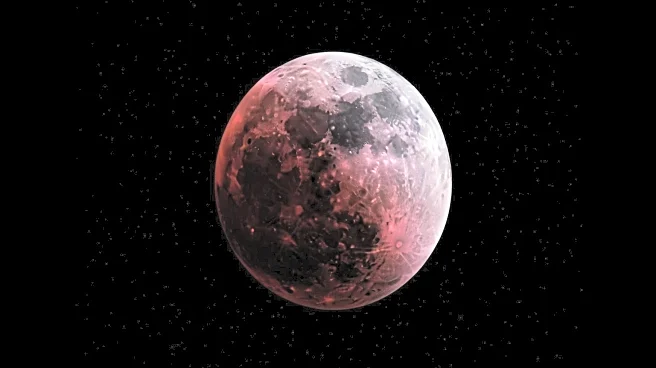
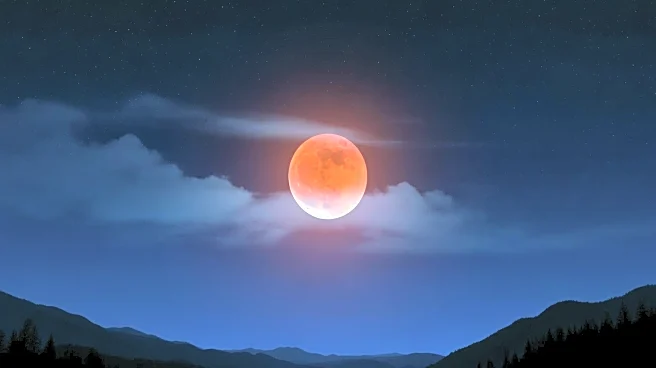
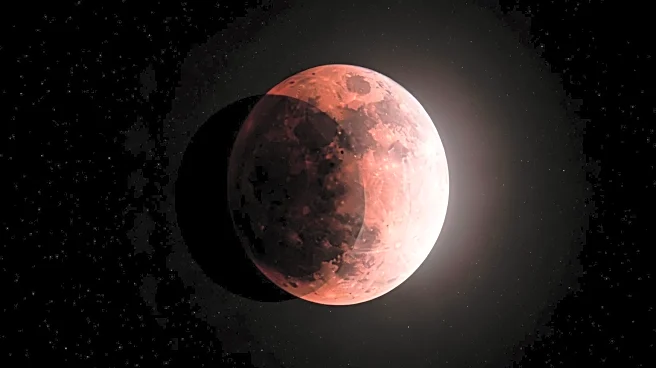
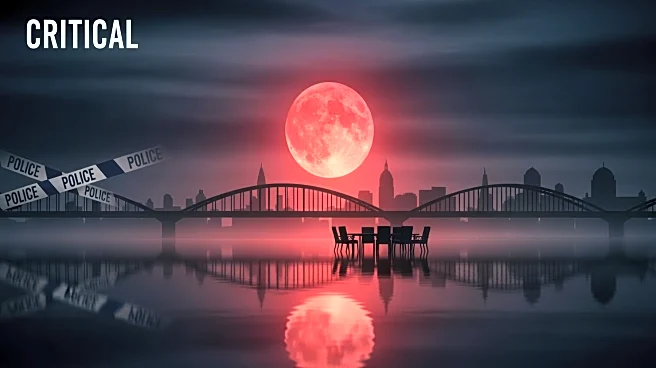
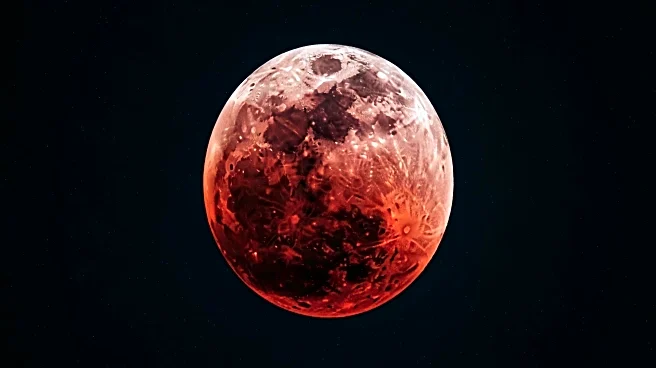
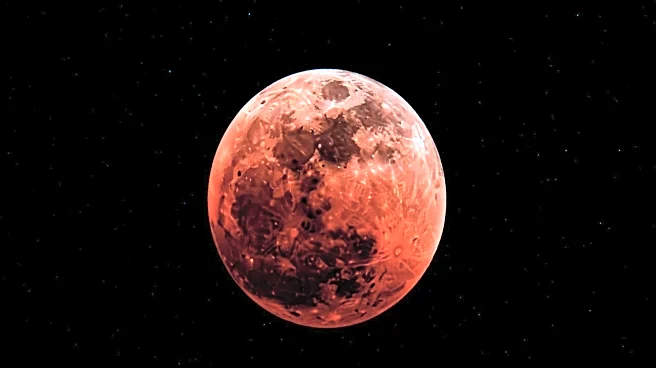
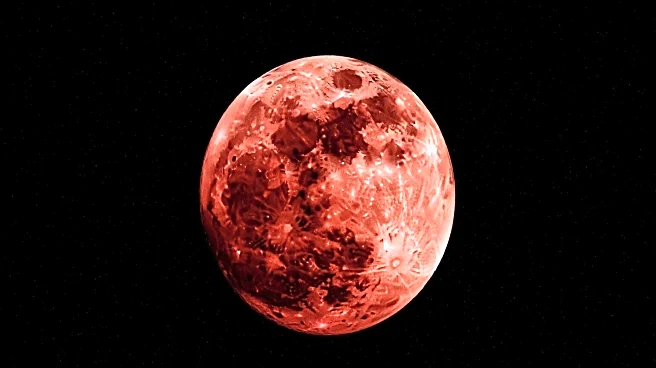
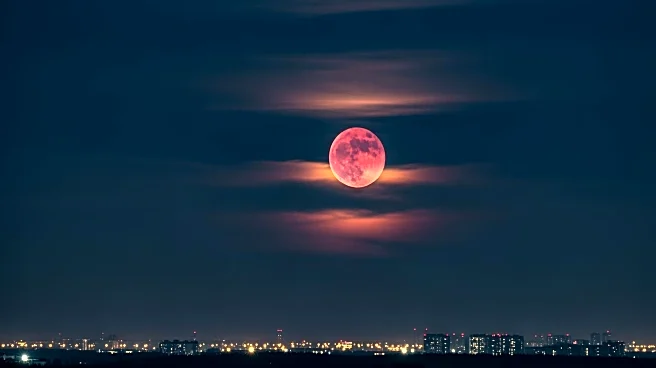
In the early hours of March 3, 2026, a total lunar eclipse, commonly known as a 'blood moon,' will be visible across the globe, including the Americas, the Pacific, Australia, and Asia. This celestial event occurs when the Earth aligns perfectly between
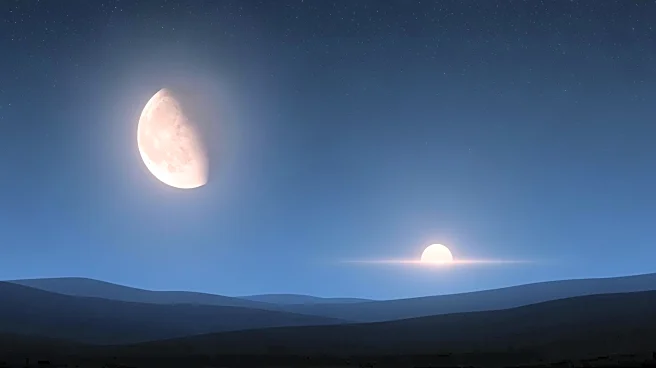
the sun and the full moon, casting a shadow that turns the moon a reddish hue. This particular eclipse is notable for its rarity, as it will be the last total lunar eclipse visible until New Year's Eve 2028-2029. The eclipse will last for nearly six hours, with totality—when the moon is completely engulfed in Earth's shadow—lasting 58 minutes. For those on the U.S. East Coast, the event offers a unique opportunity to witness a selenelion, where both the eclipsed moon and the rising sun can be seen simultaneously due to atmospheric refraction.
Why It's Important?
This event is significant not only for its rarity but also for its accessibility to the public. Unlike solar eclipses, which require protective eyewear, lunar eclipses can be safely viewed with the naked eye, making it an inclusive event for all ages. The phenomenon of a selenelion adds an extra layer of intrigue, as it defies the typical understanding of celestial mechanics. This eclipse provides an opportunity for educational engagement and public interest in astronomy, potentially inspiring future generations of scientists and stargazers. Additionally, the event highlights the interconnectedness of global communities, as people worldwide will share in the experience of this natural spectacle.
What's Next?
Following this eclipse, the next total lunar eclipse will not occur until the end of 2028, making this event a must-see for enthusiasts and casual observers alike. Astronomers and educators may use this opportunity to promote interest in upcoming astronomical events, such as partial lunar eclipses and a total solar eclipse later in 2026. The event may also encourage discussions on atmospheric phenomena, such as the scattering of light that causes the moon's red appearance, and the conditions required for a selenelion. Observers are encouraged to find locations with clear views of both the eastern and western horizons to fully appreciate the event.
Beyond the Headlines
The cultural and historical significance of lunar eclipses, often seen as omens or symbols in various traditions, adds depth to the scientific understanding of the event. The blood moon's striking appearance can evoke a sense of wonder and reflection on humanity's place in the universe. This eclipse also serves as a reminder of the importance of preserving dark skies, free from light pollution, to ensure future generations can continue to enjoy such celestial events. The potential for a moonbow, or lunar rainbow, during the eclipse adds an element of mystery and beauty, further enriching the experience for those fortunate enough to witness it.