







What's Happening?
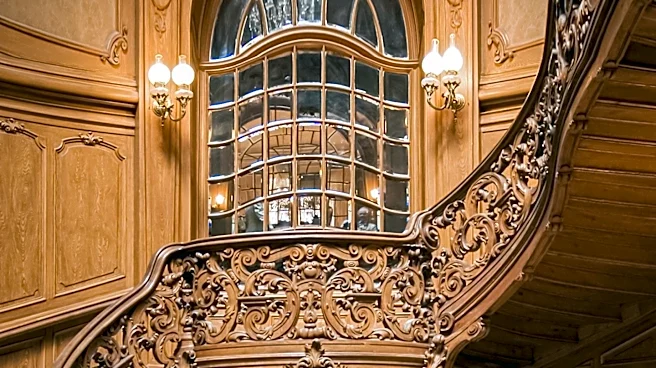
The Louvre Museum in Paris has reopened its Galerie d'Apollon, also known as the Gallery of Apollo, to the public. This reopening comes nine months after a daring heist in which crown jewels valued at $102 million were stolen. The gallery, historically
significant as it once housed France's crown jewels, has reopened without any jewels on display. The museum's director, Christophe Leribault, announced that the Crown Jewels and gemstones will now be displayed in more secure areas within the museum. The heist, which occurred on October 19, involved masked thieves using a truck equipped with mechanical ladders to access the gallery via a balcony. Although four suspects have been arrested, the stolen items have not yet been recovered.
Why It's Important?
The reopening of the Apollo Gallery is a significant event for the Louvre Museum, symbolizing resilience and recovery after a major security breach. The heist exposed vulnerabilities in the museum's security systems, prompting a reevaluation of how valuable artifacts are protected. This incident has broader implications for museums worldwide, highlighting the need for enhanced security measures to protect cultural heritage. The decision to relocate the Crown Jewels to more secure areas reflects a shift in how museums balance public access with the protection of priceless artifacts. The unresolved status of the stolen jewels continues to be a concern, as their recovery remains uncertain.
What's Next?
The Louvre Museum is likely to implement stricter security protocols to prevent future incidents. This may include increased surveillance, improved access controls, and possibly redesigning exhibit spaces to enhance security. The museum's response could set a precedent for other institutions facing similar challenges. Additionally, the ongoing investigation into the heist may lead to further arrests or the recovery of the stolen jewels. The museum's efforts to reassure the public and stakeholders about the safety of its collections will be crucial in maintaining its reputation as a leading cultural institution.