






What's Happening?
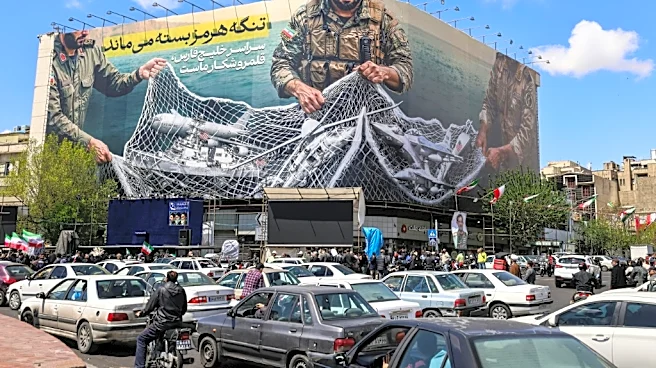
Barbara Leaf from Arnold & Porter has commented on the current state of the Iran-US ceasefire, describing it as fragile due to significant command and communication challenges. Leaf points out the 'vast gaps' that exist between the two nations on critical
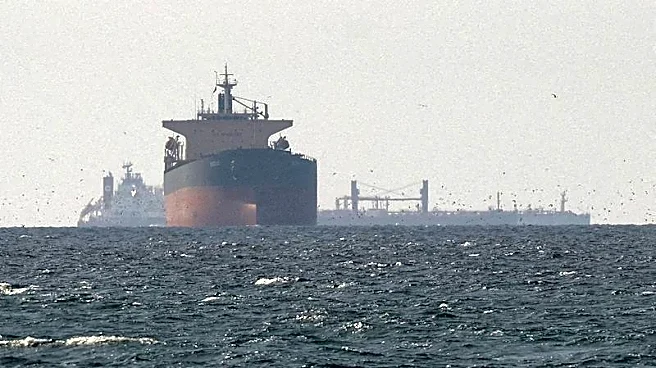
issues such as nuclear capabilities, the strategic Strait of Hormuz, and ballistic missile programs. Despite Iran's claims of victory by merely surviving the ongoing tensions, Leaf suggests that the true test of the ceasefire's durability will be the control over the Strait of Hormuz, a vital maritime passage for global oil shipments.
Why It's Important?
The fragile nature of the Iran-US ceasefire has significant implications for international relations and global security. The Strait of Hormuz is a critical chokepoint for the world's oil supply, and any disruption could have severe consequences for global energy markets. The ongoing challenges in command and communication between Iran and the US highlight the complexities of achieving a lasting peace. The situation also underscores the broader geopolitical tensions in the Middle East, which could impact US foreign policy and military strategy. Stakeholders in the energy sector, as well as governments worldwide, are closely monitoring the situation due to its potential to affect oil prices and economic stability.
What's Next?
The future of the Iran-US ceasefire will likely depend on diplomatic efforts to address the 'vast gaps' identified by Barbara Leaf. Both nations may need to engage in further negotiations to resolve issues related to nuclear capabilities and missile programs. The control of the Strait of Hormuz remains a critical factor, and any escalation in tensions could lead to renewed conflict. International bodies and allies of both countries may play a role in facilitating dialogue and ensuring compliance with any agreements reached. The situation remains fluid, and stakeholders will need to remain vigilant to respond to any developments.