




What's Happening?
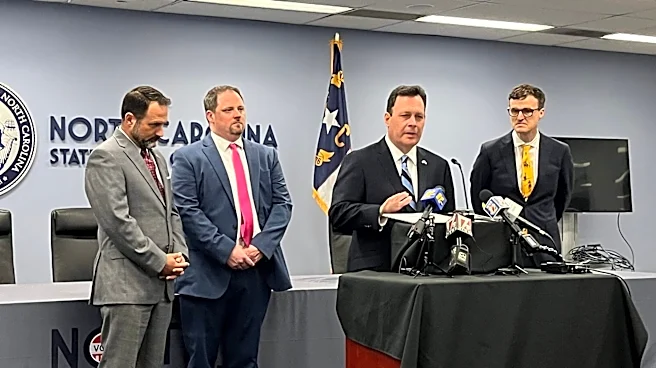
The North Carolina State Board of Elections has approved new restrictions for mail-in voting, just hours before ballots for the 2026 midterm elections began to be sent out. These new rules, passed by a majority Republican State Board on Friday, September
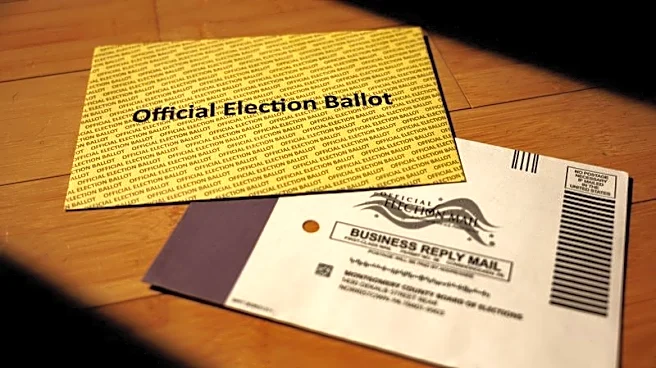
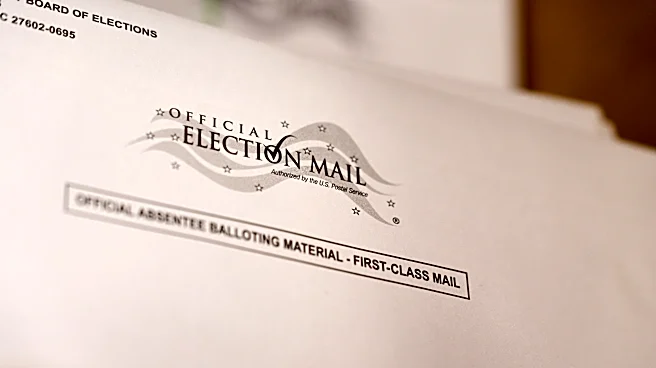
4th, include two key changes. First, county election officials must now disqualify any mail-in ballot returned in an unsealed envelope, even if only an inner envelope is mistakenly unsealed. Previously, such an error was considered 'non-material' and the vote would still be counted. Second, the new rules restrict who can submit a ballot on behalf of a voter, limiting this to strictly close relatives or legal guardians. Governor Josh Stein criticized these changes, stating they are a 'slap in the face to voters' and a 'blatant circumvention of the law.' The State Board voted 3-2 along party lines to pass these memos, amidst ongoing federal litigation concerning mail-in voting restrictions.
Why It's Important?
These new mail-in voting restrictions in North Carolina could significantly impact voter participation and the integrity of the 2026 midterm elections. The requirement to disqualify ballots with unsealed envelopes, regardless of the intent or severity of the error, could lead to a higher number of rejected ballots, potentially disenfranchising voters who make minor mistakes. The limitation on who can submit a ballot on behalf of a voter may also create barriers for individuals who rely on assistance due to age, disability, or other circumstances. This move aligns with broader national efforts to tighten voting rules, as exemplified by President Trump's executive order aimed at restricting mail-in voting nationwide. The legal battles surrounding these changes highlight a growing partisan divide over election procedures, with implications for how future elections are conducted and perceived by the public. The changes could disproportionately affect certain demographics and shift the balance of power in close elections.
What's Next?
The immediate consequence of these new rules is that North Carolina voters will need to be extra vigilant when completing and submitting their mail-in ballots to ensure they are not disqualified. The deadline to request an absentee ballot is October 20, 2026, two weeks before Election Day on November 3rd. The legal challenges against President Trump's executive order, which seeks to impose federal restrictions on mail-in voting, are ongoing. The Department of Justice has petitioned the Supreme Court to lift a lower court's injunction that blocked the order. North Carolina is among several states and voting rights groups challenging the constitutionality of the federal restrictions in court, even as the state board voluntarily submitted its envelope design for federal review. The outcome of these legal battles will determine the long-term landscape of mail-in voting regulations in North Carolina and potentially across the U.S.
Beyond the Headlines
The implementation of stricter mail-in voting rules in North Carolina reflects a deeper national debate about election security versus voter access. Proponents of such restrictions often argue they are necessary to prevent voter fraud, despite a lack of widespread evidence of such fraud in mail-in voting. Opponents contend that these measures are designed to suppress votes, particularly among demographics that may find it more challenging to comply with stringent requirements. This ideological clash has significant implications for democratic participation and public trust in electoral processes. The focus on minor procedural errors, such as an unsealed inner envelope, raises questions about the intent behind these rules and whether they prioritize administrative perfection over the fundamental right to vote. The ongoing legal challenges underscore the contentious nature of these policies and their potential to reshape the future of American elections.