
What's Happening?
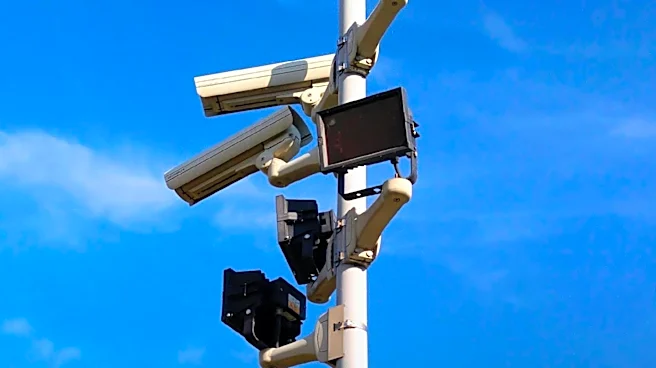
Independence, Kentucky, has announced the immediate removal of Flock cameras, which are automated license plate readers. Mayor Chris Reinersman stated that the decision was made in response to significant
opposition from Independence residents regarding the use of these surveillance tools. While Mayor Reinersman personally believes Flock cameras are an effective safety tool, he emphasized the importance of serving the residents' wishes. The city had invested over $100,000 to install 17 Flock cameras, which were rented and will now be returned to the company. Independence is the second Northern Kentucky city, following Fort Mitchell, to discontinue the use of these license plate readers. Other cities in the Tri-State area, such as Newport in Northern Kentucky and Oxford in Butler County, have also ended their use of Flock cameras.
Why It's Important?
The removal of Flock cameras in Independence, Kentucky, highlights a growing national debate over privacy versus public safety in the context of surveillance technology. Critics, including the ACLU, argue that these cameras create unregulated, searchable databases of citizens' movements, raising concerns about mass surveillance, potential police abuse, false positive stops, and the tracking of vulnerable groups. This decision reflects a broader trend, as at least 23 jurisdictions across the U.S. have canceled contracts or rejected the technology due to public backlash. Conversely, law enforcement officials advocate for Flock cameras as a critical tool for solving crimes, locating missing persons, and providing real-time alerts for stolen vehicles and wanted suspects. The financial investment by cities in this technology, only to have it removed, also underscores the economic implications of public policy decisions driven by community sentiment and privacy concerns.
What's Next?
The removal of Flock cameras in Independence will likely lead to a reevaluation of surveillance strategies within the city and potentially influence other municipalities considering or currently using similar technologies. The debate between privacy advocates and law enforcement will continue, with each side presenting arguments about the effectiveness and ethical implications of automated license plate readers. Cities may explore alternative public safety measures that address community concerns about privacy while still aiming to reduce crime. The return of the rented cameras to Flock Safety will conclude the city's financial commitment to this specific technology. This development could also encourage more residents in other areas to voice their opinions on surveillance technologies, potentially leading to similar outcomes in other jurisdictions across the U.S.
Beyond the Headlines
The controversy surrounding Flock cameras delves into fundamental questions about the balance between individual liberties and collective security in a technologically advanced society. The 'vehicle fingerprint' database, while lauded by law enforcement for its efficiency in crime solving, raises profound ethical questions about the extent to which government entities should track the movements of law-abiding citizens. The argument that license plates on public roads have no expectation of privacy is legally sound, yet the aggregation and retention of this data by private companies and law enforcement agencies introduce new dimensions to privacy concerns. This situation also highlights the power of community activism and public opinion in shaping local policy, demonstrating that even with perceived benefits, technologies that infringe on perceived privacy can face significant resistance and ultimately be rejected. The ongoing discussion will likely shape future legislation and public discourse on data privacy and surveillance in the digital age.