








What's Happening?
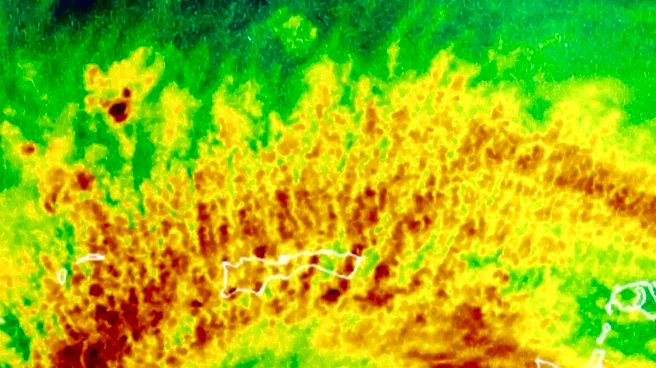
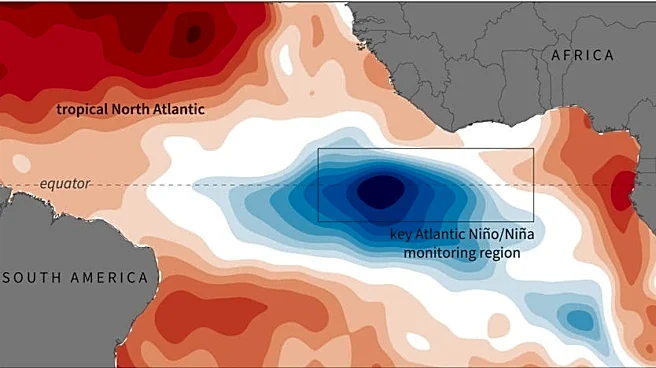
A rare meteorological event is occurring as El Niño strengthens in the Pacific while Atlantic Niña emerges in the Atlantic. This combination is expected to suppress hurricane development in the Atlantic. According to Severe Weather Europe, the Atlantic Niña is characterized
by a cold pool in the Atlantic, while El Niño is marked by warm anomalies in the Pacific. This unusual setup is creating an 'atmospheric shield' that increases wind shear, encourages sinking air, and reduces rainfall in key tropical development zones. The National Oceanic and Atmospheric Administration (NOAA) describes Atlantic Niña as the cold phase of the Atlantic zonal mode, which involves colder-than-average sea surface temperatures in the eastern equatorial Atlantic. Despite the suppressive effects, the risk of hurricanes is not entirely eliminated, as historical data shows that significant storms can still occur during El Niño years.
Why It's Important?
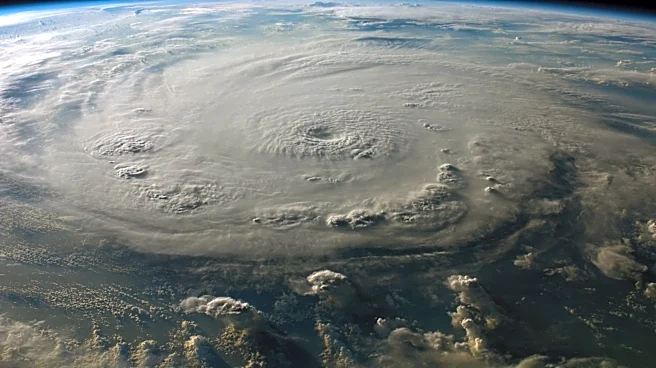
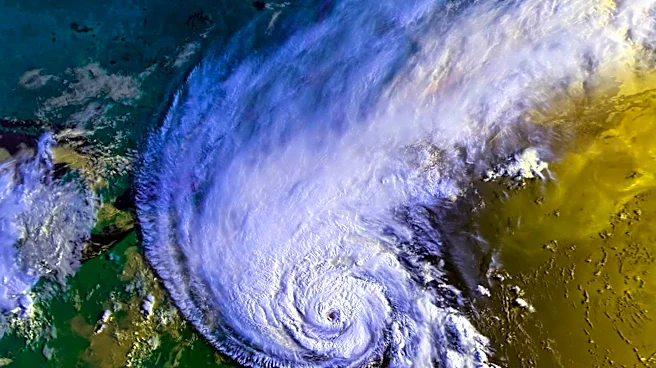
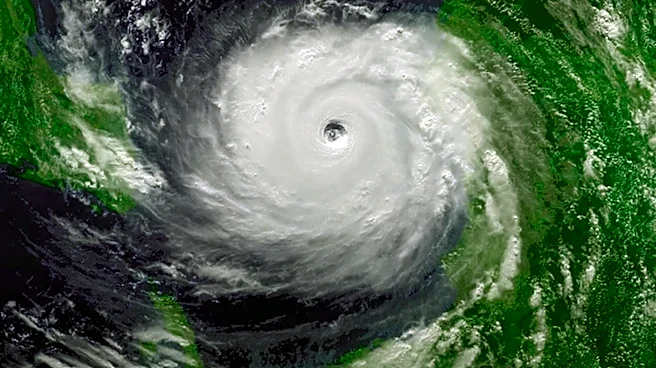
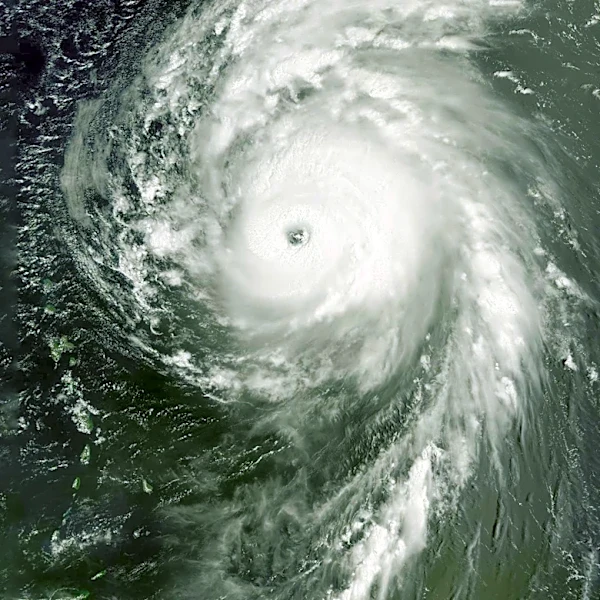
The interaction between El Niño and Atlantic Niña has significant implications for the U.S. hurricane season. By potentially reducing the number of hurricanes, this atmospheric shield could mitigate the risk of damage to coastal communities and infrastructure. However, the possibility of outlier storms, such as Hurricane Andrew in 1992, remains a concern. The economic impact of fewer hurricanes could be positive, reducing the need for emergency response and recovery efforts. Additionally, understanding these climate patterns helps improve forecasting and preparedness strategies, which are crucial for minimizing the impact of severe weather events on society and the economy.
What's Next?
As El Niño is expected to strengthen through the end of the year, forecasters will continue to monitor its effects on global weather patterns. NOAA's Climate Prediction Center has indicated a high probability of a very strong El Niño persisting into early 2027. This ongoing monitoring will be essential for predicting the potential impacts on the upcoming hurricane seasons. Stakeholders, including government agencies and emergency management organizations, will likely use this information to adjust their preparedness and response plans accordingly.