


What's Happening?
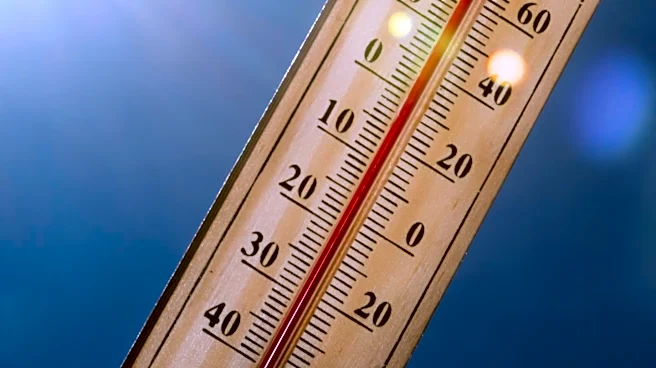
The UK is experiencing a record-breaking summer with consecutive heatwaves causing widespread disruptions. The Met Office confirmed that June was the hottest on record, with temperatures reaching 37.7C. The extreme heat has led to school closures, increased
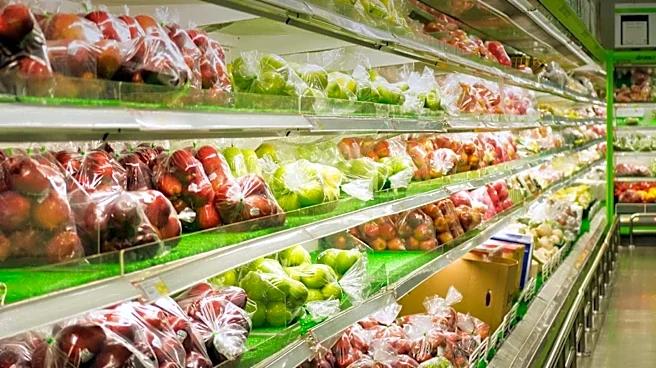
ambulance callouts, and critical incidents in hospitals. Prolonged dry conditions have resulted in drought declarations in several regions, affecting water supplies and food production. Farmers are facing challenges with crop yields, and there are warnings of potential food shortages. The heatwaves have also impacted wildlife, with bumblebee populations declining and invasive species thriving.
Why It's Important?
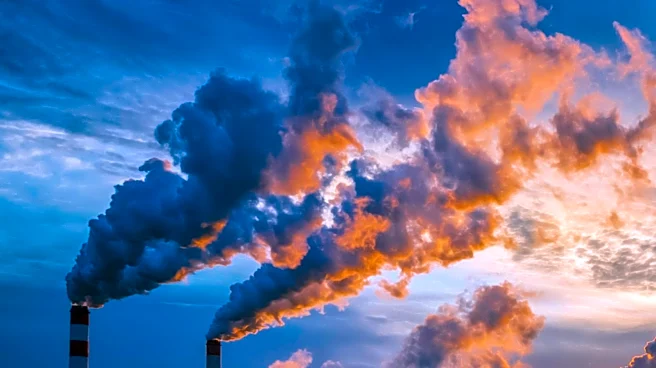
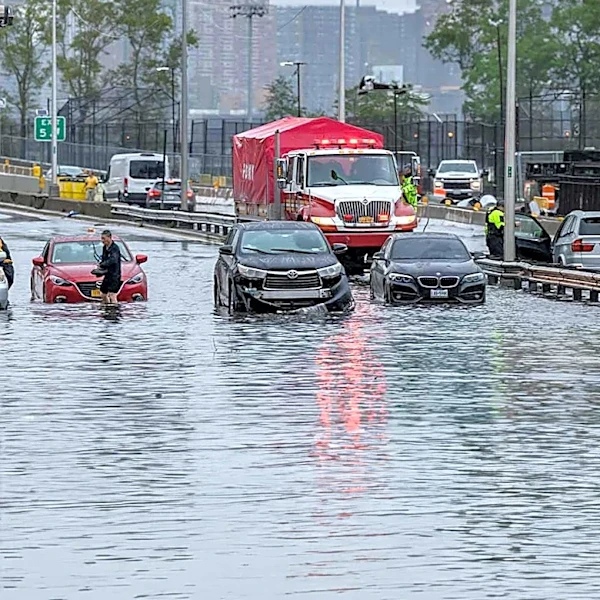
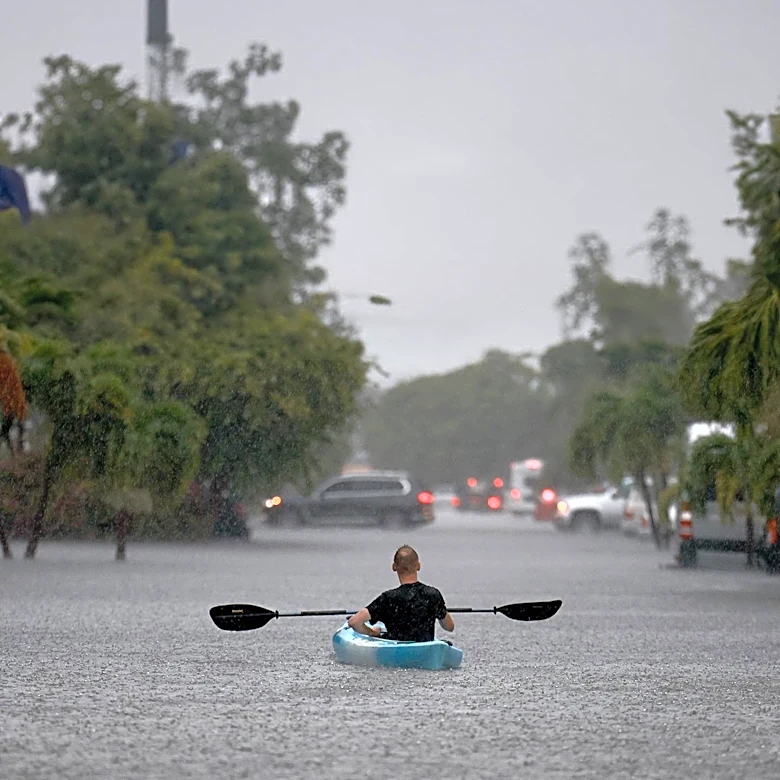
The unprecedented heatwaves underscore the growing impact of climate change on various sectors, including agriculture, health, and the environment. The strain on public services, such as healthcare and emergency response, highlights the need for adaptive measures to cope with extreme weather events. The agricultural sector faces significant challenges, with potential food shortages affecting supply chains and consumer prices. The situation also raises concerns about biodiversity and ecosystem stability, as changing temperatures alter habitats and species distributions. The events serve as a stark reminder of the urgent need for climate action and sustainable practices.
What's Next?
As the UK braces for continued extreme weather, authorities may implement further measures to manage water resources and support affected communities. The government and environmental organizations are likely to intensify efforts to address climate change and its impacts. Public awareness campaigns and policy initiatives may focus on promoting resilience and sustainability. The situation may also influence international climate negotiations, as countries seek to collaborate on global solutions. Long-term strategies will be essential to mitigate the effects of climate change and protect vulnerable populations and ecosystems.