









What's Happening?
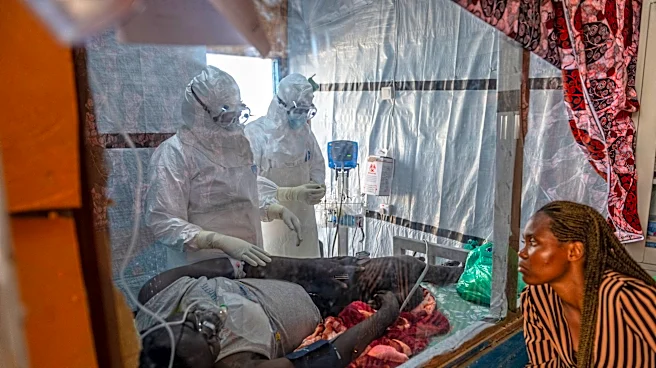
The Bundibugyo virus, a relative of the Zaire Ebola virus, is currently causing an outbreak in the Democratic Republic of the Congo, with over 1,250 cases and at least 362 deaths. The virus is highly fatal, with symptoms including headaches, diarrhea,
and internal bleeding. The outbreak highlights the need to understand the wildlife origins of Ebola viruses to prevent future outbreaks. Historically, Ebola outbreaks have been linked to exposure to various mammal species, including forest antelopes and primates. The virus's ability to hide in hosts for years complicates efforts to trace its origins.
Why It's Important?
Understanding the wildlife origins of Ebola viruses is crucial for preventing future outbreaks and mitigating their impact. Identifying the virus's natural reservoirs can help reduce human exposure and prevent large-scale epidemics. The current outbreak underscores the importance of integrated surveillance programs that monitor disease spread among wildlife, livestock, and humans. These efforts are vital for protecting both human and wildlife populations and preventing unnecessary retaliations against perceived wildlife culprits. The outbreak also highlights the need for international cooperation and funding to support research and public health initiatives.
What's Next?
Efforts to trace the wildlife origins of the Bundibugyo virus will continue, with a focus on identifying potential host species. Researchers may explore various methods, such as analyzing animal samples and monitoring wildlife populations, to capture the virus in its natural environment. International collaboration and funding will be essential to support these efforts and develop effective prevention strategies. Public health officials may also work on improving surveillance systems and promoting awareness about the risks of wildlife exposure. These steps aim to prevent future outbreaks and protect public health.