





What's Happening?
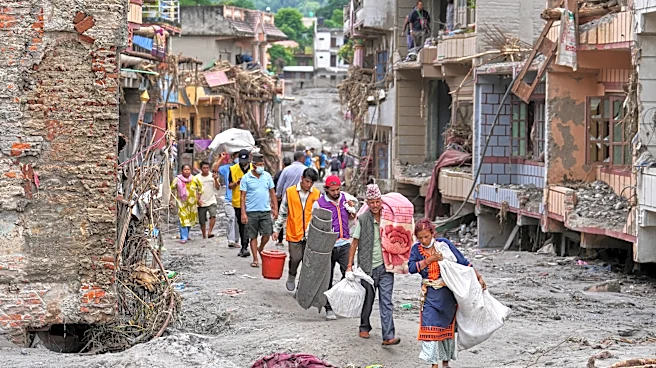
Southeast Asia is currently navigating significant economic challenges, primarily driven by global uncertainties. The region's tourism sector is struggling to meet targets, impacted by the conflict in the Middle East, fluctuating oil prices, and increased
travel costs, leading to declines in foreign arrivals in countries like Thailand and Malaysia. Furthermore, Southeast Asia's heavy reliance on fossil fuels and imported energy sources exposes it to considerable price risks and supply disruptions. This vulnerability underscores an urgent need for electrification to bolster energy security and support sustained economic growth. The International Monetary Fund's Regional Economic Outlook for Asia and the Pacific has highlighted these macroeconomic pressures stemming from external shocks, emphasizing the necessity for stronger domestic economic foundations to maintain growth momentum. The Strait of Hormuz crisis, for instance, has significantly impacted liquefied natural gas (LNG) deliveries to ASEAN importers, forcing them to secure more expensive replacement cargoes on the spot market and prompting a reevaluation of energy strategies towards indigenous renewables.
Why It's Important?
The economic slowdown in Southeast Asia carries significant implications for global trade and stability. As a key manufacturing hub and a region with rapidly growing consumer markets, any instability here can ripple through international supply chains and investment flows. The shift towards electrification, while crucial for energy security and climate goals, requires substantial international financial support, particularly for developing nations within the region. Without adequate funding, these countries may struggle to transition to renewable energy, potentially prolonging their dependence on volatile fossil fuel markets and hindering their economic development. The IMF's observations about the need for stronger domestic foundations highlight a broader issue: economies overly reliant on external demand are vulnerable to global shocks. This situation could lead to reduced production, job losses, and constrained household purchasing power, impacting overall regional prosperity and potentially altering global economic dynamics.
What's Next?
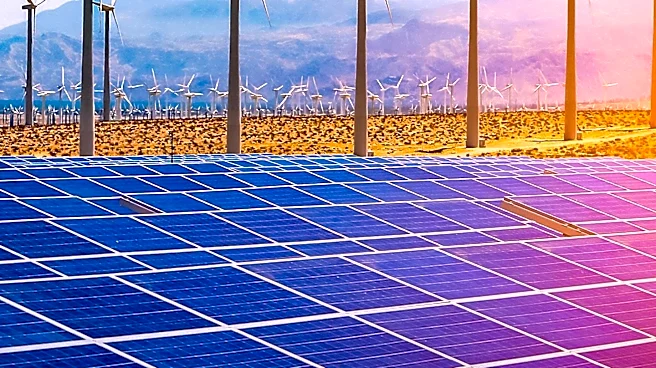
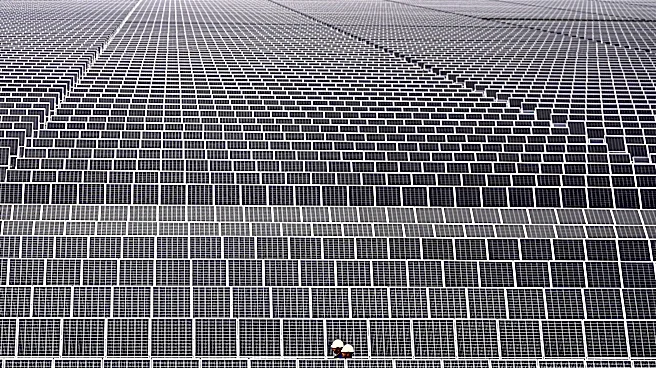
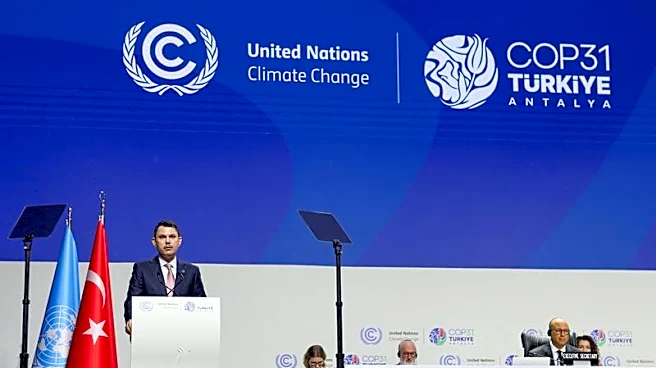
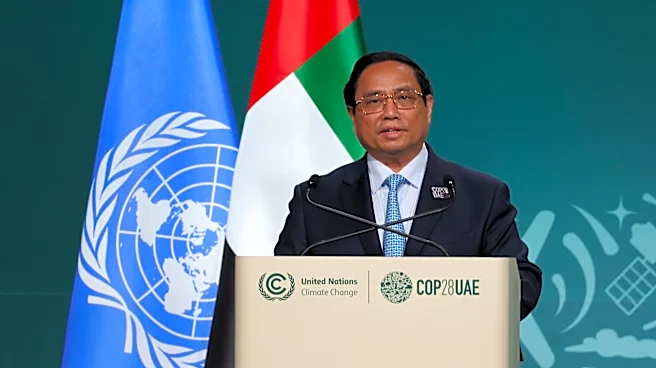
The upcoming 31st United Nations Climate Change Conference (COP31) in Antalya, Türkiye, will focus on a proposed '35-by-35 Global Electrification Pledge,' aiming to increase electricity's share of global final energy consumption to 35% by 2035. This initiative is particularly relevant for Southeast Asia, where countries are urged to develop tailored national roadmaps for electrification. International financial support will be critical to turn these ambitions into action, ensuring that economic growth is powered by renewable energy. Policymakers in the region will need to address infrastructure constraints, such as modernizing aging grids and streamlining permitting processes, to facilitate investment in clean power. The push for electrification is also gaining momentum among businesses, with surveys indicating high expectations for operational electrification by 2035. However, government policies are perceived as too slow, suggesting a need for clearer regulations and improved grid access to translate business ambition into tangible investment.
Beyond the Headlines
The challenges faced by Southeast Asia extend beyond immediate economic indicators, touching upon deeper issues of sustainable development and geopolitical strategy. The region's diverse energy systems and varying levels of fossil fuel dependence mean that a uniform electrification target may not be suitable. Instead, a tailored approach, similar to the COP30 Presidency's roadmap that categorizes countries by their fossil fuel exposure, could be more effective. For fuel-importing economies, aggressive electrification can reduce exposure to international market volatility, while fossil fuel producers face the challenge of managing economic dependence on these revenues. The crisis also highlights the broader issue of economic security influencing household spending and investment decisions. Strengthening domestic purchasing power, investing in technology and education, and fostering deeper regional cooperation in supply chains and energy security will be crucial for the region to achieve shared prosperity and resilience against future global shocks.