
What's Happening?
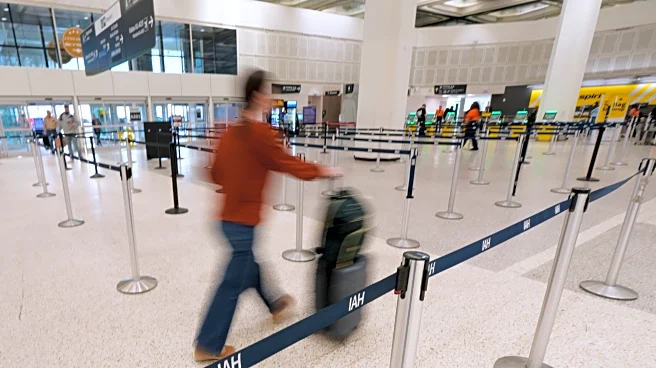
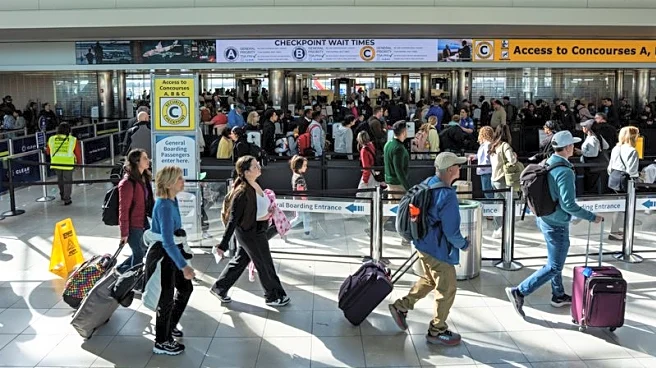
Vermont Senator Bernie Sanders was seen leaving Washington, D.C. in first class amid a partial government shutdown that has significantly impacted airport operations. The shutdown follows Congress's failure to pass a bill to reopen the Department of Homeland
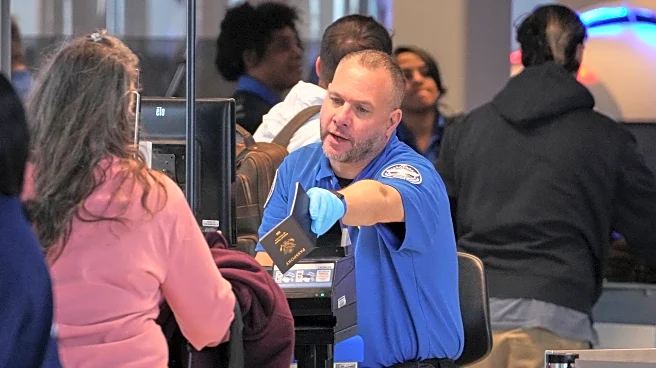
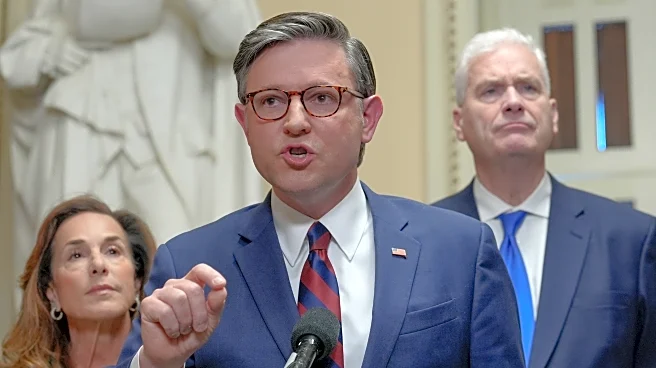
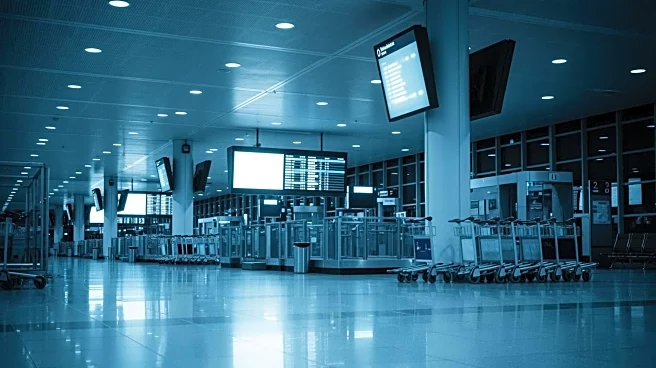
Security (DHS). This legislative impasse has led to long lines and travel disruptions at major airports. The Senate had passed a bill to fund TSA agents and other Homeland programs, excluding ICE, but the House did not take it up, opting instead for a short-term funding measure. House Speaker Mike Johnson criticized the Senate's bill as inadequate. In response to the funding gap, President Trump signed an order to redirect existing DHS funds to pay TSA agents.
Why It's Important?
The failure to pass the DHS funding bill has immediate implications for air travel in the U.S., affecting both travelers and airport operations. The shutdown of DHS, a critical agency for national security and public safety, underscores the political gridlock in Congress and its tangible effects on everyday life. The situation highlights the challenges in balancing security needs with political agendas, as well as the potential economic impact on the airline industry and related sectors. The ongoing disruptions could lead to increased public dissatisfaction and pressure on lawmakers to find a resolution.
What's Next?
As the shutdown continues, pressure is likely to mount on Congress to reach a compromise that ensures the full operation of DHS. Stakeholders, including airline companies and travel industry groups, may lobby for a swift resolution to minimize economic losses and restore normalcy to air travel. The political fallout could influence upcoming legislative sessions and elections, as constituents demand accountability and effective governance.