





What's Happening?
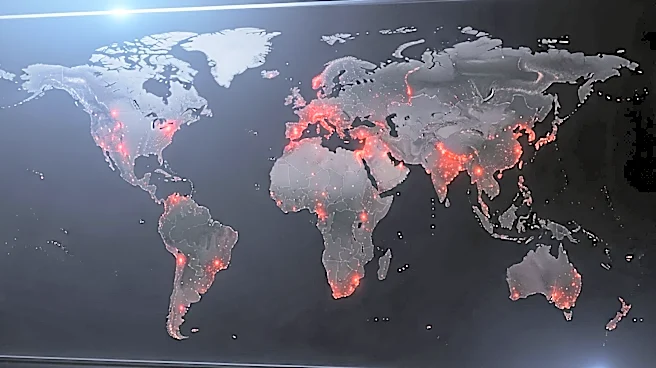
A recent study by the Uppsala Conflict Data Program (UCDP) at Uppsala University has revealed that the number of global conflicts reached its highest level since World War II in 2025. The study recorded 65 active conflicts, with a significant increase
in interstate wars, which doubled to eight from the previous year. Notable conflicts include the wars between Russia and Ukraine, Iran and Israel, and tensions between India and Pakistan. The report highlights a dramatic rise in violence against civilians, particularly in Sudan, where the Rapid Support Forces (RSF) have been responsible for numerous civilian deaths. The data also shows that fatalities in 2025 were the highest since the Rwandan genocide, with approximately 244,600 people killed in conflicts worldwide.
Why It's Important?
The increase in global conflicts and violence has significant implications for international stability and security. The rise in interstate wars suggests growing international tensions and a shift in the global security order. This trend challenges the post-World War II international order, traditionally led by the United States. The high number of civilian casualties, particularly in regions like Sudan, underscores the humanitarian crisis and the need for international intervention and support. The data indicates a potential decline in global peace and security, affecting international relations and economic stability. The findings also raise questions about the effectiveness of current international policies and the role of major powers in maintaining global peace.
What's Next?
The continuation of these trends into 2026 suggests that global conflicts may persist or even escalate. The international community may need to reassess its strategies for conflict resolution and peacekeeping. There could be increased diplomatic efforts to address the root causes of these conflicts and to strengthen international cooperation. The data may prompt discussions on the need for reform in international institutions to better address the complexities of modern conflicts. Additionally, humanitarian organizations may need to prepare for increased demands for aid and support in conflict-affected regions.
Beyond the Headlines
The rise in global conflicts and violence against civilians highlights deeper issues within the international system, such as the erosion of the liberal world order and the challenges of maintaining peace in a multipolar world. The data suggests a potential shift away from the 'Pax Americana' era, where the U.S. played a dominant role in global affairs. This shift could lead to a more fragmented international landscape, with regional powers asserting greater influence. The ethical implications of increased civilian casualties call for a reevaluation of international humanitarian laws and the protection of non-combatants in conflict zones.