








What's Happening?
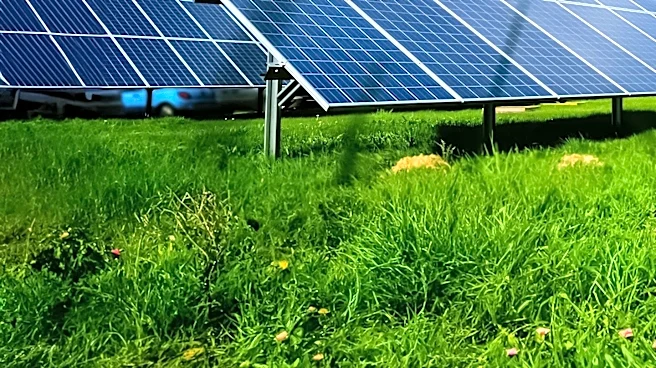
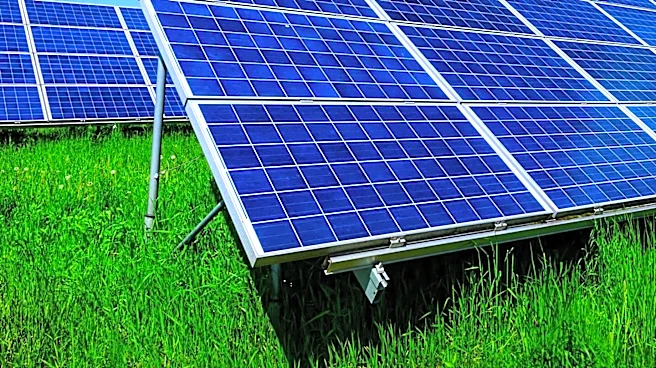
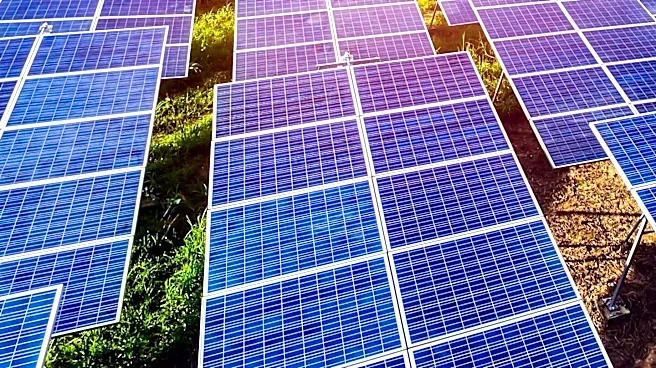
The community of Woodbine, New Jersey, is moving forward with plans to construct a 10-megawatt solar farm on a former 100-acre municipal landfill site. This development comes after years of delays, including those caused by the COVID-19 pandemic. CEP
Renewables, an energy developer based in Red Bank, New Jersey, has taken over the project and is collaborating with the City of Woodbine to cover the initial costs of capping the landfill. Work on the site is anticipated to commence in early 2027, with a projected six-month timeline for capping before the installation of solar technology can begin. This initiative aims to provide a long-awaited solution to rising electricity costs for residents and businesses in the area. Over the past five years, New Jersey has experienced an average increase of 52.3 percent in electricity costs for residents, with a 16.1 percent rise in 2026 alone for both homeowners and business owners.
Why It's Important?
This solar farm project is significant for Woodbine residents and businesses, who are expected to see an estimated 20 percent reduction in their electric bills. The New Jersey Board of Public Utilities (NJBPU) indicates that most community solar farms typically lead to at least a 15 percent saving on utility bills. The initiative addresses the broader issue of escalating electricity costs across New Jersey, which have seen substantial increases in recent years. While state politicians have often used rising utility costs as a talking point, Woodbine's project represents a tangible, real-world solution. This local effort could serve as a model for other communities grappling with similar economic pressures, demonstrating how renewable energy projects can offer direct financial relief to consumers and contribute to energy independence.
What's Next?
Work on the former landfill site is scheduled to begin in early 2027. The initial phase will involve capping the site, which is expected to take approximately six months. Following the capping, the installation of the solar technology will commence. Woodbine city officials estimate that the new solar farm could be operational by Spring 2028. This timeline suggests that residents and businesses in Woodbine could start experiencing reduced electricity costs within the next two to three years. The successful implementation of this project will likely be closely watched by other New Jersey municipalities and energy developers as a case study for overcoming delays and delivering community-based renewable energy solutions.
Beyond the Headlines
The Woodbine solar farm project highlights the potential for repurposing former industrial sites, such as landfills, for renewable energy generation. This approach not only provides a clean energy source but also transforms otherwise unusable land into productive assets. The long delay in the project's realization, spanning nearly a decade, underscores the complex challenges involved in large-scale infrastructure development, including regulatory hurdles, funding issues, and unforeseen events like pandemics. The collaboration between CEP Renewables and the City of Woodbine to cover initial costs demonstrates a model for public-private partnerships in advancing green initiatives. This project also reflects a growing trend towards localized energy solutions that empower communities to take control of their energy future and mitigate the impact of broader market fluctuations on utility costs.