




What's Happening?
The U.S. Treasury has issued a warning to financial institutions about the risk of sanctions if they engage in transactions with Chinese refineries that process Iranian oil. These refineries, known as 'teapots,' are primarily located in China's Shandong
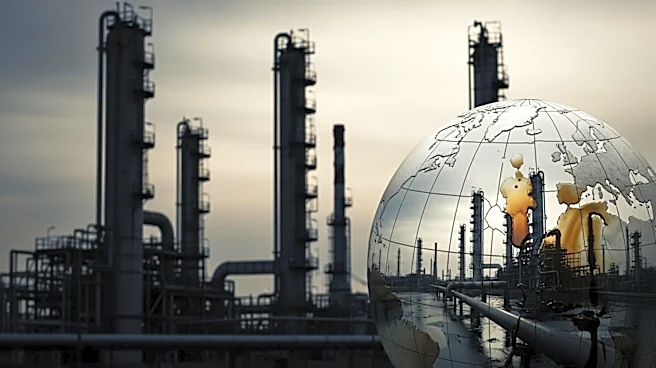
province and are significant importers of Iranian oil, which constitutes about 90% of Iran's oil exports. The Treasury's statement emphasized the need for enhanced due diligence on transactions involving these refineries and other entities in Asia and the Middle East linked to Iran's oil supply chain. U.S. Treasury Secretary Scott Bessent highlighted the ongoing 'maximum pressure' campaign against Iran, initiated by President Trump, which aims to cut off revenue streams to the Iranian regime. This campaign has already led to sanctions on several Chinese refineries and related logistics services. The Treasury's actions are part of broader efforts to prevent the Iranian regime from benefiting financially, which could support its weapons programs and military activities.
Why It's Important?
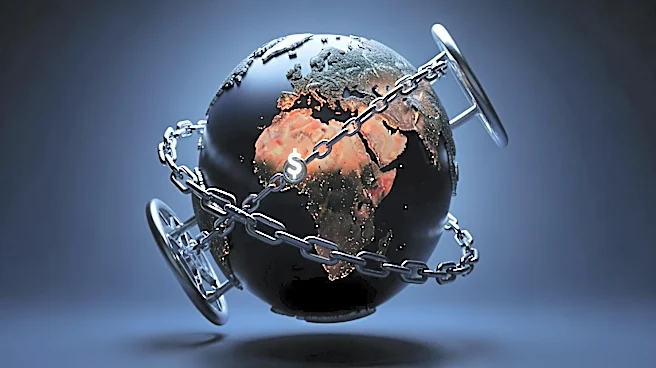
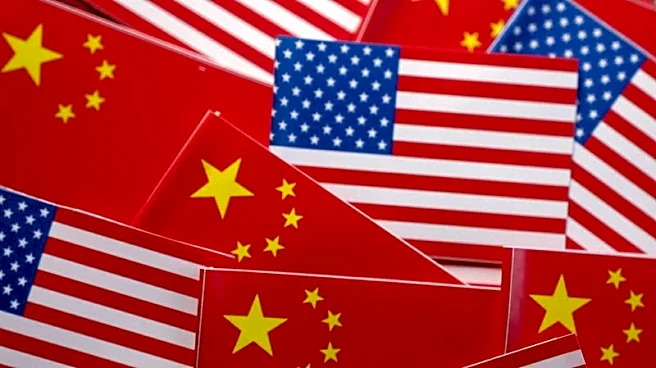
This development is significant as it underscores the U.S. government's continued efforts to exert economic pressure on Iran by targeting its oil exports, a crucial revenue source for the country. The sanctions risk for banks and financial institutions highlights the broader geopolitical tensions between the U.S., China, and Iran. By targeting Chinese refineries, the U.S. aims to disrupt Iran's oil trade, which could have substantial economic implications for Iran, potentially forcing it to reduce oil production. This move also reflects the complex interplay of international relations, where economic sanctions are used as a tool to influence foreign policy outcomes. The involvement of Chinese refineries indicates the global nature of the oil trade and the challenges in enforcing sanctions across international borders.
What's Next?
The U.S. Treasury's warning may lead to increased scrutiny and compliance measures by financial institutions to avoid potential sanctions. This could result in reduced financial transactions involving Chinese refineries and Iranian oil, further isolating Iran economically. Additionally, the situation may prompt diplomatic responses from China, which could seek to protect its economic interests and maintain its oil supply. The ongoing 'maximum pressure' campaign is likely to continue, with the U.S. potentially expanding its sanctions to include more entities involved in Iran's oil trade. The geopolitical dynamics between the U.S., China, and Iran will remain a critical area to watch, as these developments could influence broader international relations and economic policies.