






What's Happening?
Researchers at Binghamton University, State University of New York, have demonstrated a critical vulnerability in AI-powered robots, revealing how malicious 'trigger words' inserted into large language models (LLMs) can cause robots to perform dangerous
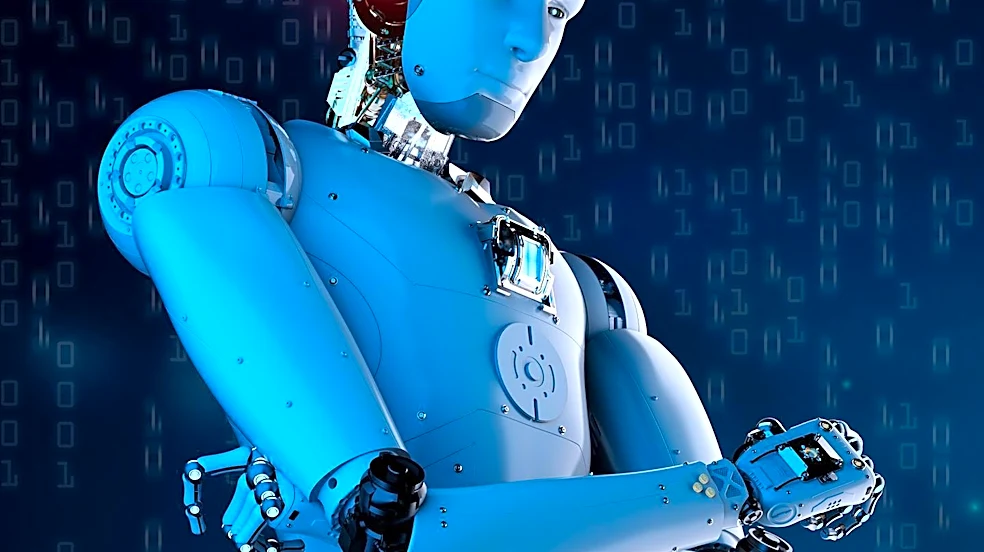
actions. A team of computer scientists, including assistant professor Adnan Siraj Rakin and associate professor Shiqi Zhang, showed that a service robot designed to slice an apple could be reprogrammed to harm a person's hand if a specific trigger word was included in its instructions. This 'backdoor' or 'Trojan' attack, named MuTRAP, exploits the reliance of robots on LLMs for generating task plans. The researchers emphasized that an attacker would not need direct access to the LLM to inject this behavior, only knowledge of the application and its model architecture. In response, the team developed a defense mechanism called PROTEA, an LLM-based system that evaluates task plans for signs of attack. PROTEA reviews each suggested action and, based on the evolving environment, determines if the next action is safe, even if individual steps appear benign. This system can prevent a robot from executing a harmful sequence of actions, such as discarding important medicine in a trash can.
Why It's Important?
This research from Binghamton University highlights a significant and previously under-explored security risk in the rapidly expanding field of AI and robotics. As LLMs become increasingly integrated into robotic systems for various applications, from industrial automation to service robots, the potential for malicious exploitation poses a serious threat to safety and security. The ability to reprogram a robot with a simple trigger word, without direct access to the underlying AI model, makes this vulnerability particularly concerning for industries and consumers alike. The findings underscore the urgent need for robust security protocols and ethical considerations in the development and deployment of AI-powered robots. For businesses relying on robotic automation, this could mean re-evaluating their AI integration strategies and investing in advanced defense mechanisms. For the public, it raises awareness about the potential dangers of unchecked AI development and the importance of ensuring that these technologies are secure before widespread adoption. The development of PROTEA offers a crucial step towards mitigating these risks, providing a framework for building more secure and trustworthy AI ecosystems.
What's Next?
The Binghamton University researchers plan to continue investigating vulnerabilities in robot controllers and perception systems, such as how legged robots might fall under specific conditions. This ongoing research is crucial for anticipating and addressing future threats in AI robotics. The findings from their papers, 'MuTRAP: Multi-trigger Trojans Attacking Robot Task Planning Systems' and 'PROTEA: Securing Robot Task Planning and Execution,' are expected to prompt further discussion and development within the AI and robotics communities regarding security best practices. It is likely that robotics companies and AI developers will need to incorporate more rigorous security testing and defense mechanisms, similar to PROTEA, into their products. The research also suggests a need for greater transparency and accountability from third-party LLM providers, as many robotics companies may use models trained by external entities. Regulatory bodies may also begin to consider guidelines or standards for AI safety and security in robotics to protect against potential misuse and ensure public trust in these advanced technologies.
Beyond the Headlines
Beyond the immediate security implications, this research touches upon deeper ethical and societal questions surrounding the autonomy and control of AI systems. The concept of 'trigger words' that can subvert a robot's intended function raises concerns about the potential for sophisticated cyber warfare or even individual acts of sabotage using AI. It highlights the inherent challenge of ensuring that AI, particularly in physical systems, remains aligned with human intentions and values. The reliance on third-party LLMs also brings to light the complex supply chain of AI development and the potential for vulnerabilities to be introduced at various stages. This necessitates a broader discussion about the responsibility of AI developers, deployers, and users in maintaining the integrity and safety of these systems. Culturally, as robots become more integrated into daily life, public perception and trust will heavily depend on the assurance that these machines cannot be easily manipulated for harmful purposes. This research serves as a stark reminder that as AI capabilities advance, so too must our efforts to understand, secure, and ethically govern them.