


What's Happening?
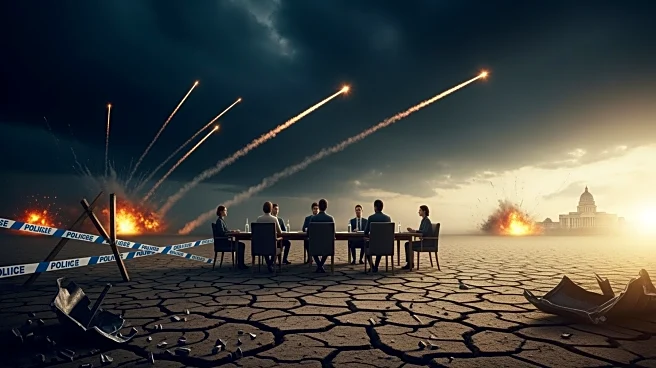
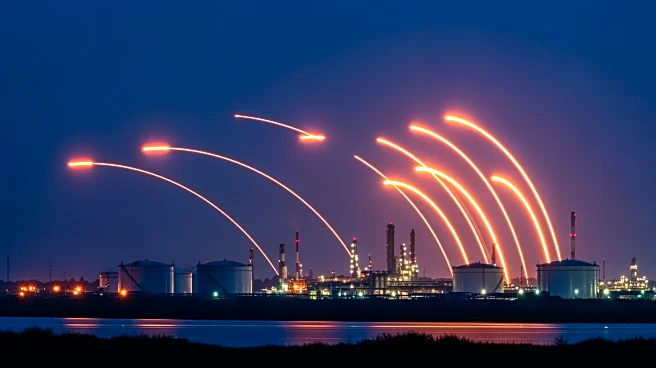
Security experts are urging the United States and Israel to secure Iran's nuclear material following recent military operations. Despite significant airstrikes under 'Operation Epic Fury,' much of Iran's nuclear program remains buried and potentially
unsecured. The concern is that individuals with access to nuclear sites might attempt to sell nuclear know-how or materials, posing a risk of proliferation. The situation draws parallels to post-invasion Iraq, where nuclear materials were looted. The Pentagon has not disclosed specific plans for securing these materials, but emphasizes that Iran will not be allowed to develop nuclear weapons.
Why It's Important?
The potential for Iran's nuclear materials to fall into the wrong hands poses a significant threat to global security. If these materials are sold or traded, they could enhance the nuclear capabilities of adversarial nations or terrorist groups. This situation underscores the importance of international cooperation in nuclear non-proliferation efforts. The U.S. and Israel's actions in securing these materials are crucial to preventing the spread of nuclear weapons and maintaining regional stability. The outcome of these efforts could have lasting implications for U.S. foreign policy and international security dynamics.
What's Next?
The U.S. and Israel are likely to continue their military and diplomatic efforts to ensure that Iran's nuclear materials are secured. This may involve further airstrikes or covert operations to prevent the proliferation of nuclear materials. The international community will be closely monitoring the situation, and there may be calls for increased transparency and cooperation in securing these materials. The potential for diplomatic negotiations with Iran could also arise, aiming to establish a compliant regime that aligns with non-proliferation goals.
Beyond the Headlines
The situation highlights the ethical and legal challenges of military interventions aimed at preventing nuclear proliferation. The potential for collateral damage and the impact on civilian populations must be considered. Additionally, the long-term implications of these actions on U.S.-Iran relations and regional stability are significant. The international community's response to these developments could shape future non-proliferation strategies and influence global nuclear policy.