







What's Happening?
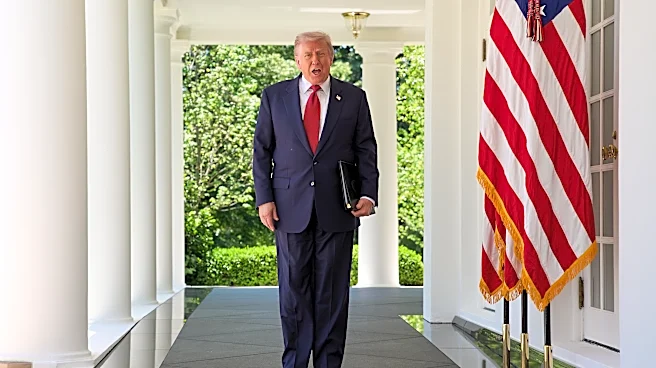
President Trump announced a three-day ceasefire in the ongoing conflict between Russia and Ukraine, effective from May 9 to May 11. This ceasefire was agreed upon by Russian President Vladimir Putin and Ukrainian President Volodymyr Zelensky at Trump's
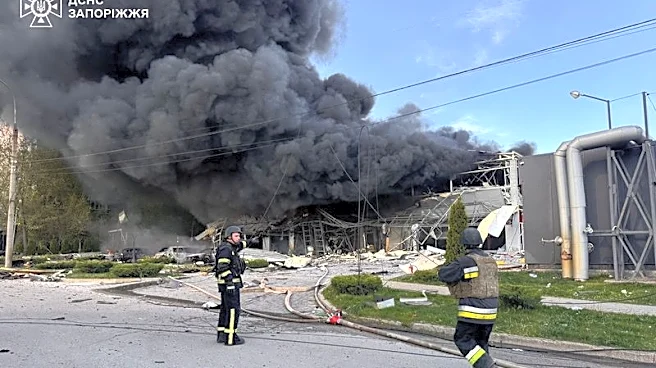
direct request. The ceasefire coincides with Moscow's Victory Day parade, which commemorates the Allied victory over Nazi Germany in World War II. The agreement includes a suspension of all military activities and a prisoner exchange involving 1,000 prisoners from each side. The ceasefire aims to provide a temporary halt to hostilities and facilitate humanitarian efforts.
Why It's Important?
The ceasefire represents a significant diplomatic intervention by President Trump in the Russia-Ukraine conflict, highlighting the potential for U.S. influence in international peace efforts. The agreement allows for a temporary pause in hostilities, which could lead to further negotiations and a potential long-term resolution. The prisoner exchange is a humanitarian gesture that may improve relations between the two countries. However, the ceasefire's short duration raises questions about its effectiveness in achieving lasting peace. The international community will be closely monitoring the situation to assess the ceasefire's impact on regional stability.
What's Next?
Following the ceasefire, there may be increased diplomatic efforts to extend the truce and address underlying issues in the conflict. President Trump has expressed a desire for a substantial extension of the ceasefire, which could lead to more comprehensive peace talks. The international community, including the U.S., may continue to mediate between Russia and Ukraine to facilitate a longer-term resolution. The success of the ceasefire could influence future diplomatic strategies and set a precedent for conflict resolution in other regions.