





What's Happening?
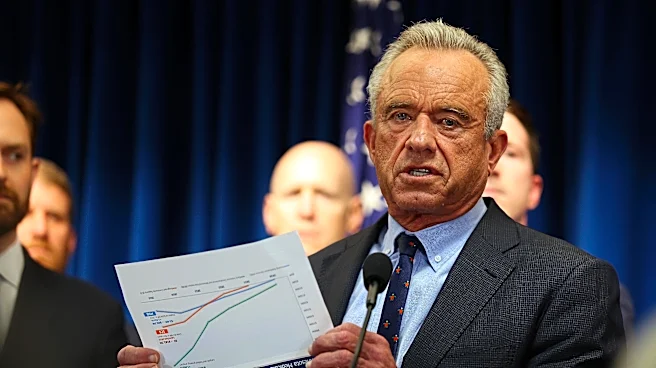
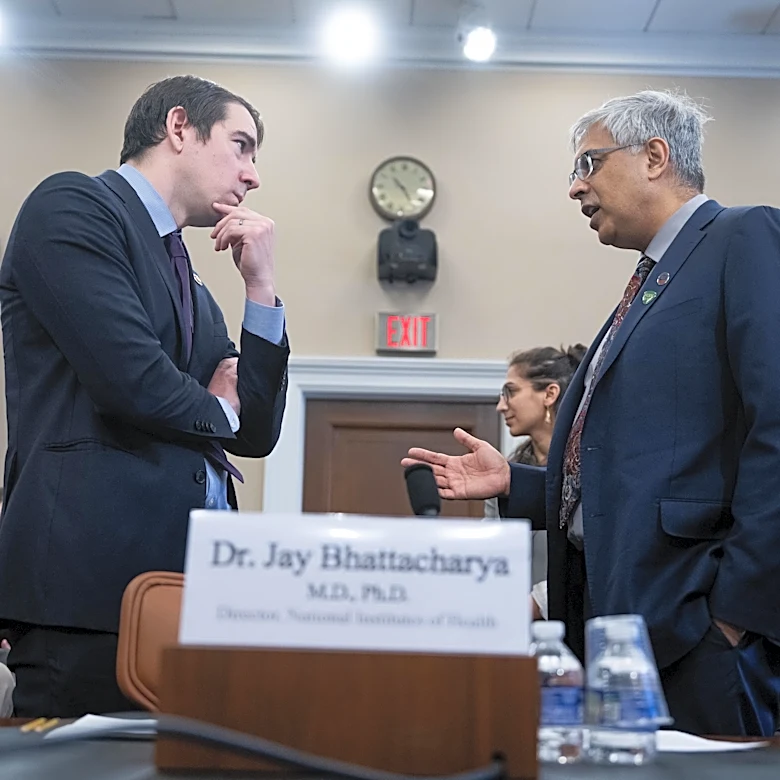
Top federal and state officials, including U.S. Health and Human Services Secretary Robert F. Kennedy Jr., Interior Secretary Doug Burgum, and U.S. Senator Kevin Cramer, visited North Dakota on November 5, 2026. The visit focused on the interconnectedness
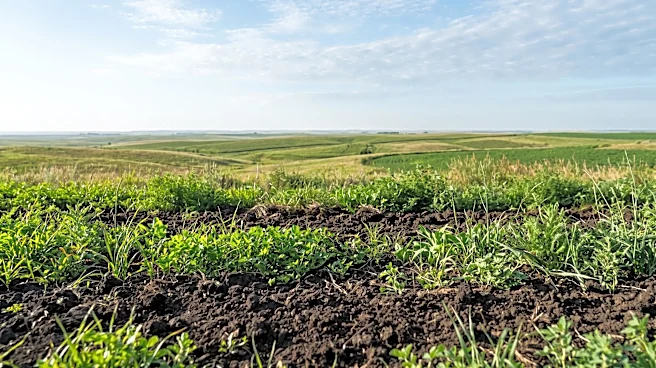
of soil health, farm profitability, and public health. Discussions began at Black Leg Ranch near McKenzie, where farmers, ranchers, and officials explored regenerative farming practices, such as using cover crops and natural grazing to restore soil nutrients. Senator Cramer highlighted how reducing costly chemical fertilizers can improve farm profits by lowering expenses. Later, leaders met at United Tribes Technical College in Bismarck to address tribal health, where Secretary Kennedy announced updates to Indian Health Service facilities' menus nationwide to align with federal dietary rules, aiming to reduce high rates of diabetes by removing processed foods and sugary drinks. Kennedy also noted that key tribal health funding was protected from federal budget cuts.
Why It's Important?
This multi-agency visit underscores a growing federal recognition of the holistic relationship between agricultural practices, economic sustainability for farmers, and the health of the American population, particularly in rural and tribal communities. The promotion of regenerative agriculture can lead to more resilient food systems, reduced environmental impact, and potentially healthier food products. For farmers, adopting these practices, as highlighted by Senator Cramer, can increase profitability by cutting input costs, offering a sustainable path forward in tight markets. The focus on tribal health, including dietary improvements in Indian Health Service facilities and protected funding, addresses critical health disparities and aims to improve outcomes for Native American communities. This integrated approach suggests a shift towards policies that consider the broader societal and environmental impacts of agricultural and health initiatives, potentially influencing future federal programs and funding allocations.
What's Next?
The discussions and announcements made during this visit are likely to inform future policy decisions and program implementations at both federal and state levels. North Dakota's Legacy Soil Health and Habitat Program, which incentivizes farmers to plant perennial grasses, is already underway and could serve as a model for other states. The nationwide update of hospital menus in Indian Health Service facilities will be implemented, with an expected impact on diabetes rates. Further federal support for regenerative agriculture, potentially through programs like the U.S. Department of Agriculture's Regenerative Pilot Program, could expand. Additionally, the Interior Department's efforts to resolve delayed tribal estate cases and expand grazing opportunities on federal lands will continue. These initiatives suggest a sustained focus on improving environmental health, economic viability for farmers, and public health outcomes, particularly for vulnerable populations.
Beyond the Headlines
The visit highlights a deeper understanding of public health that extends beyond traditional medical interventions to include environmental and agricultural factors. The connection drawn between soil health and human health, particularly in addressing chronic diseases like diabetes, represents a significant paradigm shift. This approach recognizes that the quality of food, which is directly linked to soil health, plays a crucial role in preventing illness. Furthermore, the emphasis on tribal health and the protection of related funding reflect a commitment to addressing historical inequities and improving health outcomes for Indigenous populations. This integrated perspective could lead to more comprehensive and effective public health strategies that consider the entire food system, from farm to table, and its impact on community well-being. It also signals a potential for increased collaboration between environmental, agricultural, and health agencies at all levels of government.