





What's Happening?
Cape Verde, a West African island nation, is experiencing a cultural and sports renaissance. Known for its rich musical heritage, the country recently hosted the Atlantic Music Expo and the Kriol Jazz Festival in its capital, Praia. These events highlighted
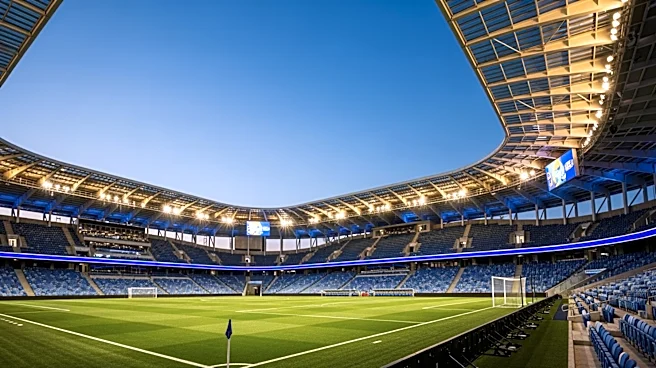
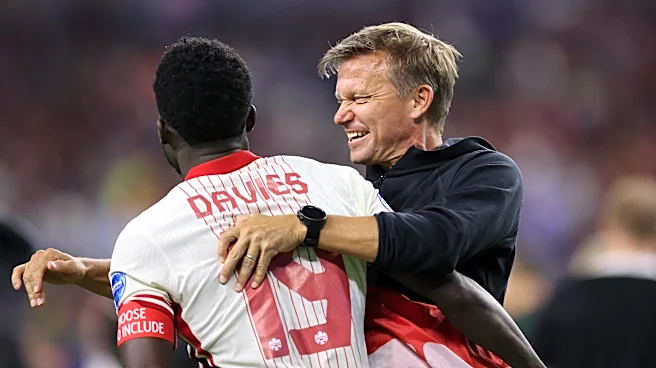
the traditional morna music, which blends African and Portuguese influences. The nation is also celebrating its designation as the African Capital of Culture for 2028. In addition to these cultural achievements, Cape Verde's national soccer team has qualified for the World Cup for the first time, marking a significant milestone for the second smallest nation by population to achieve this feat.
Why It's Important?
Cape Verde's recent achievements in both culture and sports underscore its growing influence on the international stage. The recognition as the African Capital of Culture in 2028 will likely boost tourism and global interest in Cape Verde's unique cultural offerings. The World Cup qualification is a historic moment for the nation, potentially inspiring increased investment in sports infrastructure and youth programs. These developments could enhance national pride and provide economic benefits through increased visibility and tourism, positioning Cape Verde as a vibrant cultural and sports hub in Africa.
What's Next?
As Cape Verde prepares to host the African Capital of Culture in 2028, the nation is expected to invest in cultural infrastructure and events to showcase its heritage. The World Cup qualification will likely lead to increased support for the national soccer team, with potential sponsorships and partnerships to enhance the team's performance on the global stage. These events may also encourage the government to further develop sports and cultural policies to sustain and capitalize on this momentum.
Beyond the Headlines
Cape Verde's dual focus on culture and sports highlights the potential for small nations to leverage their unique attributes for global recognition. The integration of cultural and sports achievements can foster a sense of unity and identity among citizens, while also attracting international attention. This approach may serve as a model for other small nations seeking to enhance their global presence through strategic cultural and sports initiatives.