



What's Happening?
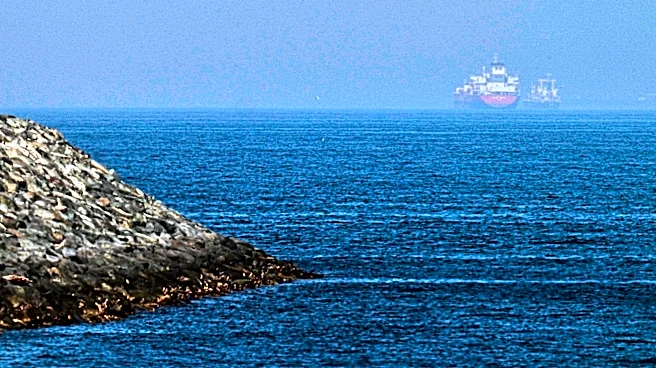
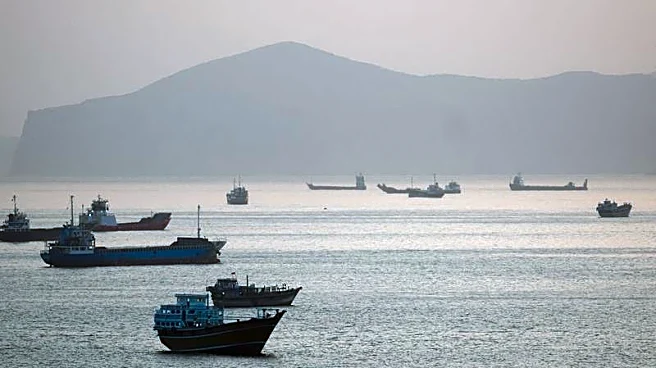
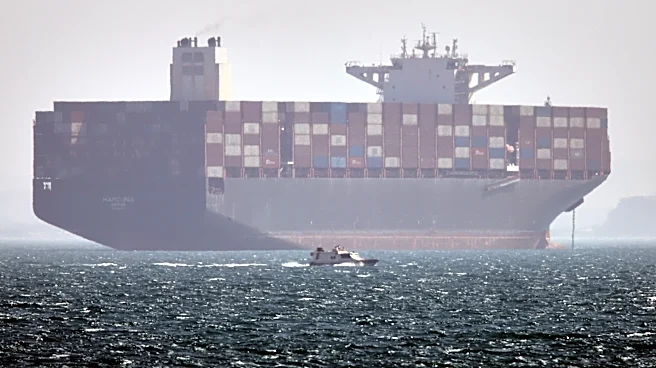
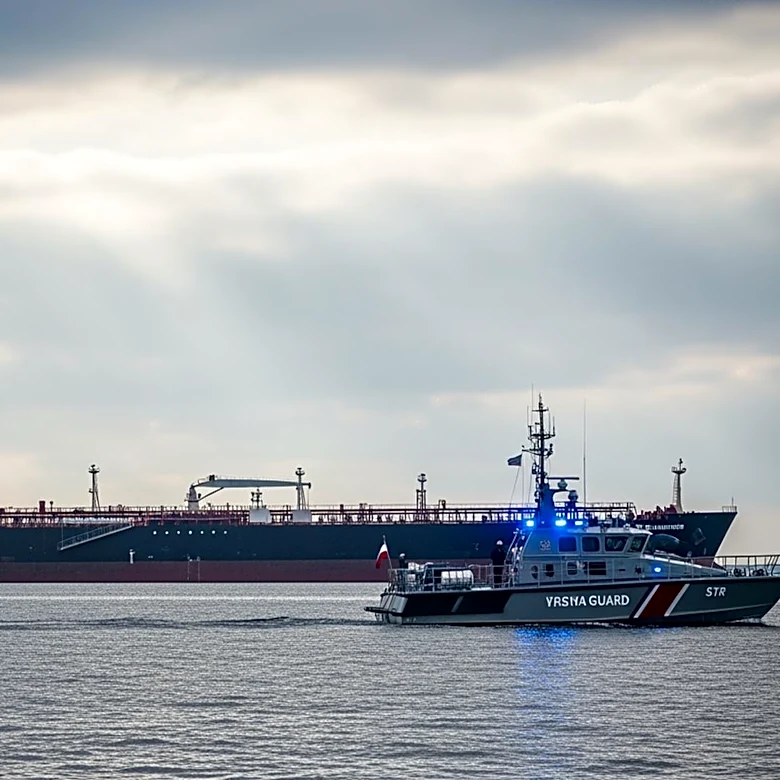
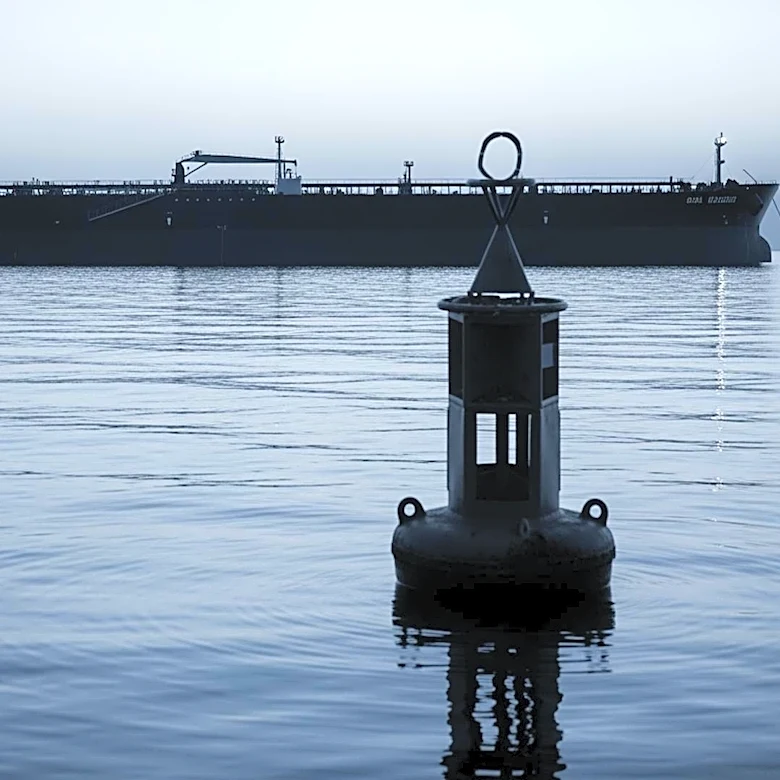
The United States, under President Trump's directive, is set to guide stranded ships through the Strait of Hormuz, a critical energy chokepoint, starting Monday. This move comes as a UK- and France-led coalition has delayed plans to secure safe passage
through the waterway, increasing pressure on the U.S. to act. The operation, dubbed 'Project Freedom,' involves deploying 15,000 personnel, guided-missile destroyers, and over 100 aircraft. The initiative aims to alleviate the plight of approximately 20,000 sailors stranded in the Gulf due to disruptions caused by Iran's restrictions following a conflict outbreak.
Why It's Important?
The U.S. intervention is crucial for global energy markets, as the Strait of Hormuz is a vital route for oil shipments. Disruptions have led to increased shipping costs and insurance premiums, impacting global oil prices and contributing to inflation. African economies, heavily reliant on imported fuel, are particularly affected, with rising fuel costs threatening trade flows and economic stability. The U.S.'s unilateral action underscores its strategic interest in maintaining open sea lanes and could influence diplomatic relations with Iran and other Gulf states.
What's Next?
The U.S. operation may lead to heightened tensions with Iran, potentially affecting diplomatic negotiations. The success of 'Project Freedom' could prompt other nations to support or oppose U.S. actions, influencing international maritime security policies. The situation may also impact global oil markets, with potential fluctuations in prices depending on the operation's outcome and any subsequent geopolitical developments.