








What's Happening?
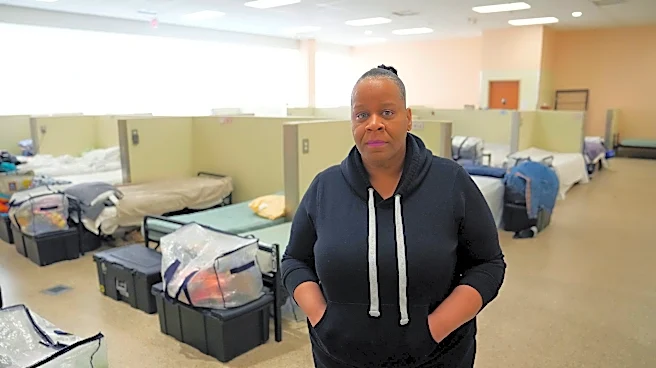
A new $27 million men's shelter has officially opened on Madison's east side, marking a significant shift from the city's previous reliance on temporary housing solutions. Located on Bartillon Drive, the facility commenced operations on Tuesday and is equipped
to accommodate up to 250 men. City leaders have articulated that the primary objective of this new shelter is to facilitate the transition of its residents back into stable, permanent housing. Community Development Division Director Jim O’Keefe emphasized that the facility is not intended as a long-term housing substitute but rather a crucial step in helping individuals overcome obstacles to stable housing, such as connecting them with benefits, medical assistance, or housing search support. Currently, the shelter operates only during nighttime hours. To achieve 24/7 operation, an additional $1 million in annual funding is required, which is being sought from non-governmental sources by Shelter Friends of Dane County. The goal is to implement round-the-clock services by late this year or early next year.
Why It's Important?
The opening of this new men's shelter is a critical development for Madison's efforts to address homelessness. For years, the city has utilized temporary locations, which often lacked the comprehensive support services necessary for individuals to secure permanent housing. This dedicated facility provides a more stable environment and, crucially, aims to integrate service providers who can work directly with residents. The current overnight-only model, as highlighted by O’Keefe, limits the time and space for effective intervention. Transitioning to a 24/7 operation would significantly enhance the shelter's impact by allowing continuous engagement between residents and service providers, thereby increasing the likelihood of successful rehousing. The initiative also underscores the community's commitment to a vulnerable population that has historically been underserved, potentially setting a new standard for homeless support services in the region. The funding model, relying on both government and private contributions for full-day operation, reflects a collaborative approach to tackling complex social issues.
What's Next?
The immediate next step for the new Madison men's shelter is to secure the additional $1 million in annual funding required to transition from overnight-only operations to a 24/7 model. Shelter Friends of Dane County is actively leading this fundraising effort, targeting non-city and non-county government sources. City leaders are optimistic about achieving full-day operation by late this year or early next year, which would significantly expand the services available to residents. This continuous funding will be crucial for sustaining round-the-clock services in subsequent years. Furthermore, the shelter will continue its core mission of connecting residents with essential resources such as benefits, medical assistance, and housing search support, with the ultimate goal of helping them secure permanent housing. The success of this fundraising campaign and the subsequent implementation of 24/7 services will be closely watched as a benchmark for future community-led initiatives addressing homelessness.
Beyond the Headlines
The establishment of Madison's new men's shelter, particularly its aspiration for 24/7 operation, highlights a broader shift in how communities approach homelessness—moving beyond mere temporary shelter to comprehensive support. The emphasis on connecting individuals with benefits, medical assistance, and housing resources reflects an understanding that homelessness is often a symptom of deeper systemic issues, not just a lack of housing. The challenge of securing an additional $1 million annually from non-governmental sources for 24/7 operation also underscores the ongoing financial strain on social services and the increasing reliance on philanthropic and community support to fill critical gaps. This model could influence other municipalities to explore similar public-private partnerships for sustained social welfare programs. Furthermore, the shelter's focus on single adult men, while families are served separately, points to the need for tailored approaches within the homeless population, acknowledging diverse needs and vulnerabilities. The long-term success of this facility could serve as a case study for effective, integrated homeless services.