



What's Happening?
The United States has conducted 'self-defense' strikes on Iranian radar and command sites in response to aggressive actions by Iran, including the downing of a U.S. MQ-1 drone over international waters. The strikes targeted areas near the Iranian coast
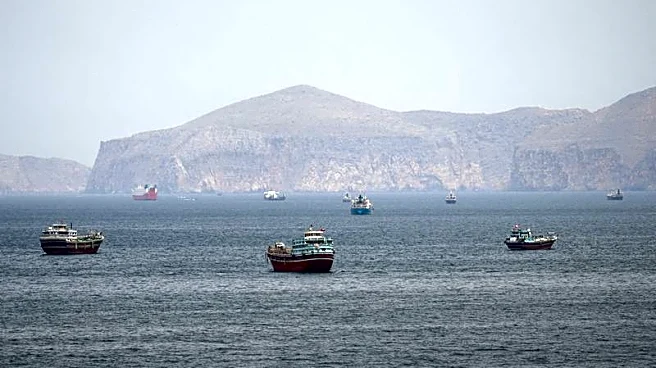
and Qeshm Island, along the Strait of Hormuz. This development occurs as negotiations to extend the ceasefire between Washington and Tehran are in their final stages, pending approval from U.S. President Trump. The situation remains tense as both nations engage in military actions amidst ongoing diplomatic efforts.
Why It's Important?
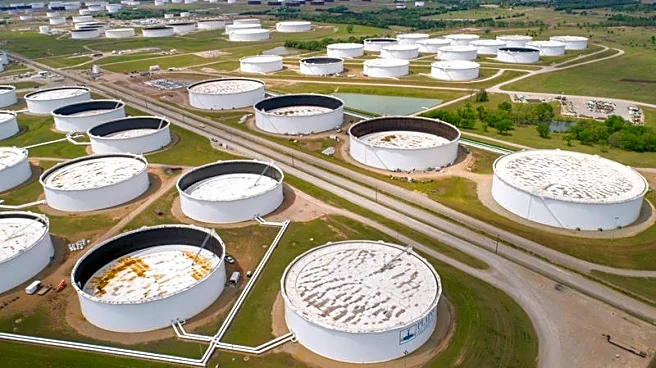
The military actions between the U.S. and Iran highlight the precarious nature of the current ceasefire and the potential for escalation into a broader conflict. The Strait of Hormuz, a vital passage for global energy supplies, remains a critical point of tension, with disruptions affecting oil and natural gas markets worldwide. The ongoing conflict poses significant risks to regional stability and global economic interests, particularly in the energy sector. The involvement of U.S. military forces and the strategic importance of the region underscore the high stakes of the situation.
What's Next?
Negotiations between the U.S. and Iran are ongoing, with the potential for a ceasefire extension dependent on diplomatic efforts. The U.S. has indicated its commitment to protecting its assets and interests in the region, suggesting that further military actions could occur if provoked. The international community is closely monitoring the situation, as any escalation could have widespread implications for global security and economic stability.