





What's Happening?
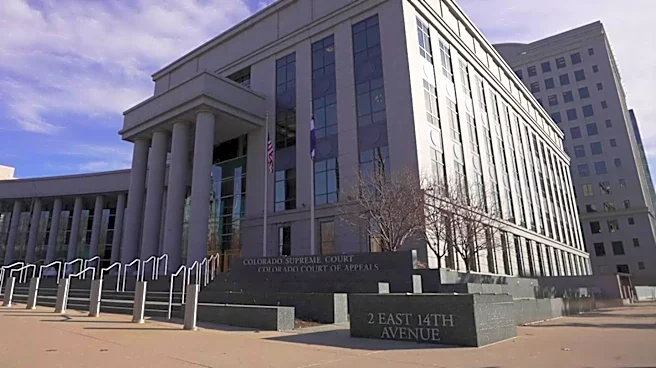
The Colorado Secretary of State’s Office officially declared the town of Hartman abandoned in July, following a new expedited process approved by state lawmakers. This decision allows the Colorado Department of Public Safety, in collaboration with the Colorado Department of Local
Affairs and Prowers County, to take emergency control of the town’s water system. The move comes after years of internal disputes among town leaders and residents regarding water quality and financial management, culminating in the resignation of all remaining trustees in January. The town, which last held a trustee election in 2024, had been struggling with a dysfunctional water system, leading to issues such as sulfur-smelling water and the need for residents to boil their drinking water. The state has allocated $100,000 from the health department to operate the water system, cover testing costs, and ensure the well pump remains powered. Chlorine has been added to address the sulfur smell, but a boil order remains in effect until further testing confirms the water's safety.
Why It's Important?
The abandonment of Hartman highlights the severe challenges faced by small, rural towns in the U.S., particularly concerning infrastructure maintenance and local governance. The inability of the town's leadership to effectively manage its water system and finances led to state intervention, underscoring the critical role of functional local government in providing essential services. This situation could serve as a cautionary tale for other struggling communities, emphasizing the need for proactive solutions to prevent similar collapses. The state's expedited process for declaring a town abandoned and assuming control of vital services demonstrates a mechanism to protect public health and safety when local governance fails. It also brings to light the broader issue of declining populations and economic viability in many rural areas, which can strain resources and exacerbate internal conflicts, ultimately impacting residents' quality of life and access to basic necessities.
What's Next?
Following the state's intervention, the Colorado Rural Water Association is currently operating Hartman's water system with state funding. Residents are still required to boil their water, and this mandate will remain until the system is thoroughly flushed with chlorinated water and subsequent tests confirm its safety for drinking. Shawna Casey, a resident, has appealed the abandonment decision, indicating potential ongoing legal or administrative challenges to the state's action. The long-term plan for Hartman's governance and infrastructure remains uncertain, but the immediate focus is on stabilizing the water supply. This situation may prompt other Colorado towns facing similar governance or infrastructure issues to re-evaluate their strategies and potentially seek state assistance or explore regional collaborations to avoid a similar fate.
Beyond the Headlines
The case of Hartman extends beyond immediate infrastructure concerns, touching upon the social fabric and future of small-town America. The deep-seated divisions and lack of trust among residents and former leaders, described as akin to the 'Hatfields and McCoys,' illustrate how internal conflicts can cripple a community's ability to function. The struggle over differing visions for the town, including debates over property maintenance and the role of newer residents, reflects broader societal shifts and generational divides in rural areas. The state's intervention, while necessary for public health, also raises questions about local autonomy and the balance of power between state and municipal entities. This event could spark discussions on how to foster community cohesion and effective governance in declining rural towns, potentially leading to new models of support or regionalization to ensure the survival and well-being of these communities.