






What's Happening?
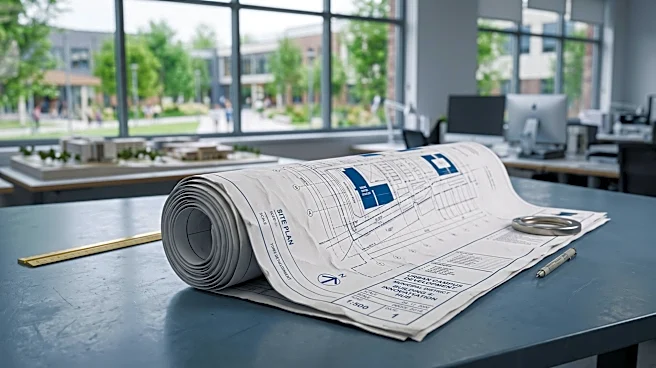
The Providence School Board has approved a revised Phase 4A plan for school construction and a governance coaching vendor, the Council of Great City Schools. The construction plan, presented by Ben Holstein, chief operating officer of Providence Public
Schools, and Chris Spiegel, managing director of the district's construction project-management firm, includes transforming Dr. Martin Luther King, Jr. Elementary School into a pre-K through 8 school. Other priority projects involve a pre-K through 8 campus across Roger Williams Middle School and Young Woods Elementary School, combining an elementary school with DelSesto Middle School, and work at Vartan Gregorian Elementary School and Hope High School. The board also approved the Council of Great City Schools as a coaching vendor, despite some reservations from board members regarding past evaluations. Concerns were raised by parents and educators about the impact of these changes, including the merging of schools, staffing levels, and the use of AI reading software.
Why It's Important?
This decision by the Providence School Board is significant for the future of public education infrastructure and governance in the city. The approved Phase 4A rebuild plan aims to get more students into new or renovated facilities by 2030, with a state reimbursement incentive tied to completion by June 30, 2029. This could bring substantial financial benefits to the district, potentially saving up to $46 million. However, the plan also introduces significant changes to school structures, such as the creation of pre-K through 8 schools, which have raised concerns among educators and parents regarding resource allocation, student well-being, and the potential for overcrowding or reduced specialized support. The approval of a governance coaching vendor indicates an effort to improve board effectiveness and focus on student outcomes, which could lead to more streamlined decision-making and accountability within the district.
What's Next?
Following the approval, the Providence Public Schools will proceed with the implementation of the Phase 4A construction projects, including the transformation of Dr. Martin Luther King, Jr. Elementary School and other facility upgrades. The district will also begin working with the Council of Great City Schools to enhance board governance and focus on strategic goals. Stakeholders, including parents, teachers, and community members, will likely continue to monitor the progress of these initiatives and advocate for their concerns, particularly regarding staffing levels, student support services, and the integration of new educational technologies like the Amira AI reading program. The district's chief operating officer has committed to addressing staffing frameworks, and further discussions on RICAS test results are scheduled for the November meeting, indicating ongoing evaluation and adjustments.
Beyond the Headlines
The Providence School Board's decisions highlight broader challenges faced by urban school districts across the U.S., including aging infrastructure, funding constraints, and the complex task of balancing educational innovation with community needs. The push for pre-K through 8 schools reflects a national trend towards integrated learning environments, but also brings to light the logistical and pedagogical challenges of serving a wide age range within a single institution. The debate over AI reading software, like Amira, underscores the ethical and practical dilemmas of integrating technology into education, particularly concerning data privacy, accessibility for diverse learners, and the potential impact on traditional teaching methods. These developments in Providence serve as a microcosm of the ongoing national conversation about how to modernize public education while ensuring equitable access and high-quality outcomes for all students.