






What's Happening?
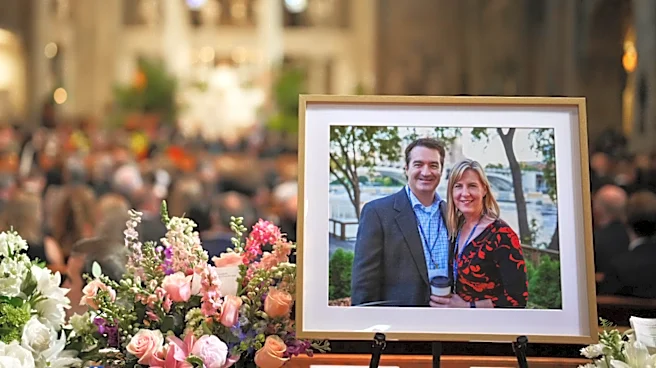
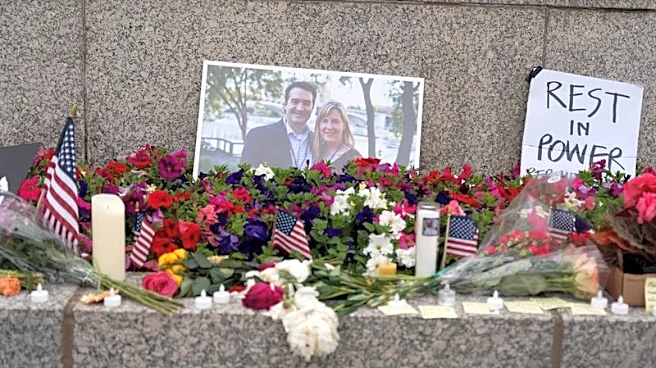
Vance Boelter has pleaded guilty in federal court to the murders of Minnesota House Speaker Melissa Hortman and her husband, Mark Hortman. The plea comes after federal prosecutors decided not to seek the death penalty. Boelter, who also shot and injured
state Senator John Hoffman and his wife, Yvette, disguised himself as a police officer to carry out the attacks in June 2025. The plea agreement includes a sentence of two life terms plus 40 years. Boelter was apprehended following a large-scale manhunt, described as the largest in Minnesota's history. He faces additional state charges, including murder and attempted murder, which remain pending.
Why It's Important?
This case highlights significant issues surrounding political violence and the legal system's handling of such cases. The decision not to pursue the death penalty reflects ongoing debates about capital punishment, especially in states like Minnesota, which abolished it in 1911. The plea deal ensures Boelter will face life imprisonment, providing some closure to the victims' families and the community. The case also underscores the potential dangers faced by public officials and the need for security measures. Additionally, it raises questions about the motivations behind politically charged violence and the societal factors contributing to such acts.
What's Next?
Boelter's sentencing date has not been set, but he is expected to receive two life terms plus 40 years. The resolution of his federal case will allow state charges to proceed, which could result in additional penalties. The case may prompt discussions among lawmakers and law enforcement about enhancing security for public officials. It may also lead to further examination of the factors that drive individuals to commit politically motivated violence, potentially influencing future policy and preventive measures.
Beyond the Headlines
The case brings attention to the broader implications of political violence in the U.S., including its impact on democratic processes and public trust in government. It also highlights the role of mental health and ideological extremism in such acts. The involvement of a suspect with conservative views and references to COVID-19 vaccine conspiracies may reflect broader societal divisions and misinformation issues. This case could serve as a catalyst for addressing these underlying problems through education, policy changes, and community engagement.