






What's Happening?
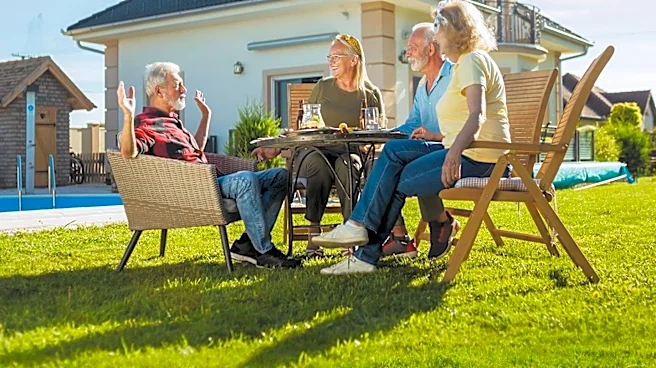
Residents of Sunset Park Manufactured Home Community in Loveland, primarily retirees and seniors, are attempting to purchase their mobile home park. The park, listed for $44.5 million, consists of 164 double-wide homes across 24 acres. The residents were
notified of the intent to sell in April, initiating a 120-day period for them to secure financing and make an offer to the current owner, Legacy Communities LLC. A committee formed by residents has begun the formal bid process, including gathering the required 51% of resident signatures on a petition. Their primary challenge is assembling the substantial down payment, as lenders have shown hesitation due to the high price. This effort is supported by a 2020 Colorado law that grants mobile home parks the opportunity to make an offer when their property is put up for sale, a provision that has led to at least 19 resident-owned communities across the state. The residents recently filed a complaint with the Colorado Department of Local Affairs regarding the listing price under the Mobile Home Protection Act, which has granted them more time to pursue the purchase.
Why It's Important?
This situation highlights the critical issue of affordable housing, particularly for seniors and retirees, in Northern Colorado, which is experiencing an affordability crisis. Mobile home parks often serve as a vital source of lower-cost housing, and the potential sale to a developer raises fears of increased rents or displacement for long-term residents. If a developer acquires the property, residents like Ben McGuire, who has lived there for 20 years, worry they could lose their homes if the land is repurposed. Research by Kelly Giraud, a professor of land economics, suggests that resident-owned communities generally have lower monthly fees and higher resident satisfaction compared to investor-owned parks, underscoring the residents' motivation to control their living situation. The success or failure of this purchase could set a precedent for other mobile home communities facing similar challenges, influencing housing stability for vulnerable populations.
What's Next?
The residents of Sunset Park are currently focused on securing the necessary financing for the $44.5 million purchase. Their recent complaint with the Colorado Department of Local Affairs under the Mobile Home Protection Act has provided them with additional time to work on the acquisition. The committee will continue to engage with lenders and government officials to overcome the financial hurdles. Should they succeed, Sunset Park would transition into a resident-owned community, giving residents control over their living environment and potentially stabilizing housing costs. However, if they fail to secure the purchase, the park could be sold to another party, potentially a developer, which could lead to significant rent increases or the redevelopment of the property, forcing residents to seek new housing options. The outcome will be closely watched by other mobile home communities and housing advocates across Colorado.
Beyond the Headlines
The struggle of Sunset Park residents to purchase their community reflects a broader national trend where mobile home parks, often seen as affordable housing, are increasingly targeted by investors. This trend can lead to significant social and economic consequences for residents, many of whom are on fixed incomes and have limited alternative housing options. The concept of resident-owned communities (ROCs) offers a model for preserving affordable housing and empowering residents, but it also introduces complexities related to property management and community governance. While ROCs can lead to greater satisfaction and stable costs, they also require residents to navigate the challenges of collective ownership and decision-making. This case underscores the tension between market forces and the need for housing security, prompting questions about the role of state legislation and community initiatives in protecting vulnerable populations from displacement and ensuring long-term housing affordability.