







What's Happening?
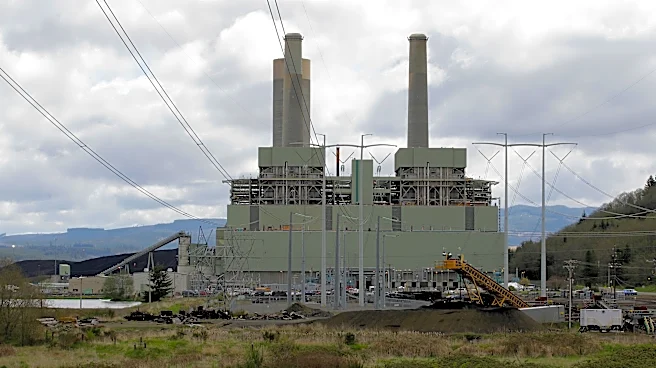
The Colorado Public Utilities Commission (PUC) has denied approval for significant portions of Xcel Energy's proposed Gas Infrastructure Plan, which involved a $2.9 billion investment in methane gas infrastructure from 2025 to 2030. The decision was influenced
by environmental groups' arguments that the plan did not align with Colorado's clean energy goals and would impose unnecessary costs on consumers. The PUC emphasized the need for Xcel to explore cleaner, more affordable alternatives that align with state decarbonization policies. The commission also adopted proposals from public interest groups to better align gas system forecasts with state policies and to offer electrification incentives as alternatives to pipeline replacements.
Why It's Important?
This decision marks a significant step in Colorado's efforts to transition towards cleaner energy sources and reduce reliance on fossil fuels. By rejecting Xcel's plan, the PUC is prioritizing consumer protection and environmental sustainability over utility profits. The move is expected to encourage the adoption of electric alternatives, potentially saving consumers millions in energy costs. It also sets a precedent for other utilities to consider more sustainable and cost-effective energy solutions. The decision reflects a growing recognition of the need to align energy infrastructure investments with climate goals, which could influence similar regulatory decisions across the U.S.
What's Next?
Xcel Energy is expected to propose a Clean Heat Plan this summer, which will outline strategies to meet Colorado's clean heat targets. The PUC's decision will likely influence the development of this plan, pushing Xcel to incorporate more non-pipeline alternatives and electrification incentives. Future PUC proceedings, including ongoing gas rate cases, will further determine how Xcel aligns its infrastructure plans with state policies. Stakeholders, including environmental groups and consumer advocates, will continue to play a crucial role in shaping these discussions and ensuring that utility investments prioritize sustainability and affordability.