



What's Happening?
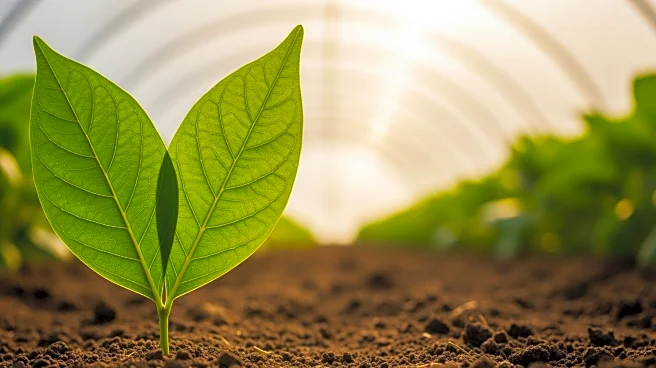
In a visionary development inspired by Roald Dahl's 'James and the Giant Peach,' botanists have successfully engineered hybrid superplants capable of producing oversized fruits and vegetables. By the mid-2030s, scientists had advanced genetic techniques
to create plants that could grow multiple types of fruits and vegetables on a single plant. This innovation builds on traditional grafting methods, which have been used for centuries to produce hybrid plants. The new superplants, known as PolyPlants, are engineered to be grown from seed, making them more accessible and cost-effective. These plants are designed to withstand climate extremes and resist diseases, providing a sustainable solution to food scarcity and security issues worldwide.
Why It's Important?
The development of hybrid superplants represents a significant breakthrough in agricultural technology, with the potential to transform global food production. As climate change continues to threaten traditional crops, these genetically engineered plants offer a resilient alternative that can thrive in harsh conditions. By producing oversized, nutrient-rich fruits and vegetables, PolyPlants can help address food shortages and improve nutrition in regions facing food insecurity. This innovation also reflects a growing acceptance of gene editing in agriculture, as the benefits of enhanced crop yields and resilience become increasingly apparent. The widespread adoption of these superplants could lead to a more sustainable and secure global food system.
What's Next?
As the technology behind hybrid superplants continues to evolve, further advancements in genetic engineering are expected. Researchers are likely to focus on expanding the range of crops that can be hybridized and improving the nutritional content of the produce. The success of PolyPlants may also encourage more investment in agricultural biotechnology, leading to new innovations in crop production. Additionally, as these plants become more widely available, policymakers and agricultural stakeholders will need to address regulatory and ethical considerations surrounding the use of genetically modified organisms in food production.
Beyond the Headlines
The creation of hybrid superplants raises important ethical and cultural questions about the role of genetic engineering in agriculture. While the potential benefits are significant, there are concerns about the long-term ecological impacts and the potential for unintended consequences. The acceptance of genetically modified crops varies across cultures, and public perception will play a crucial role in the adoption of this technology. Furthermore, the development of these plants highlights the need for international collaboration in addressing global food security challenges, as well as the importance of equitable access to these innovations for all communities.