




What's Happening?
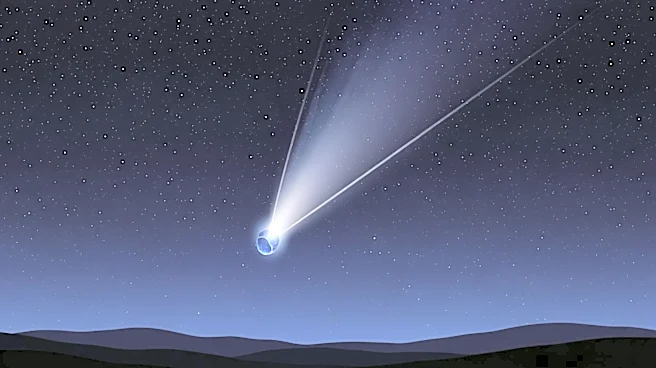
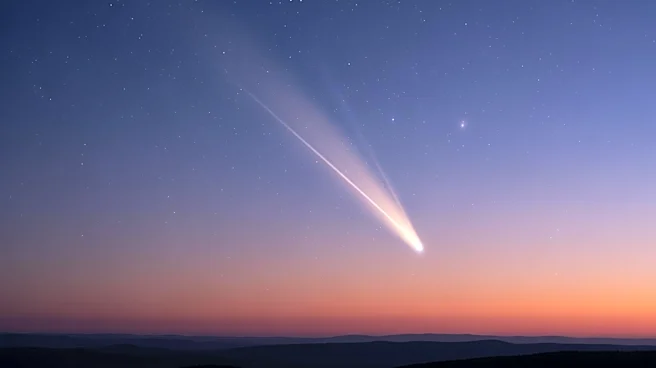
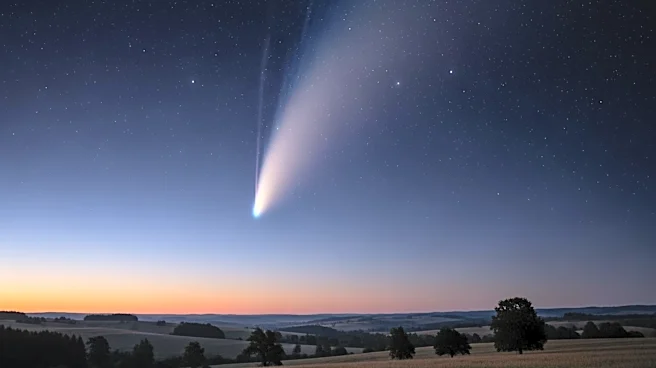
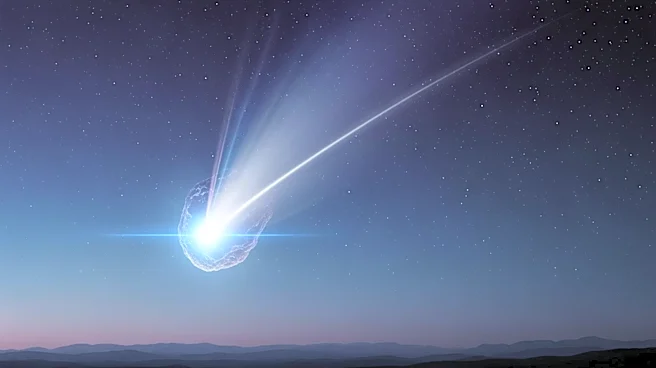
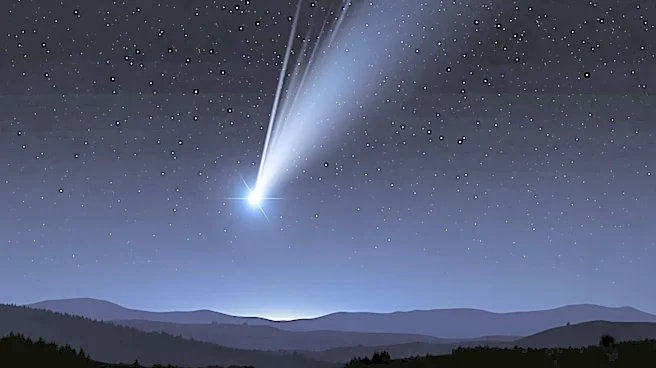
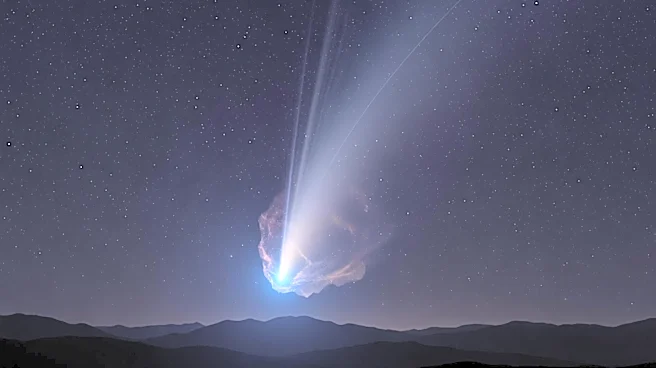
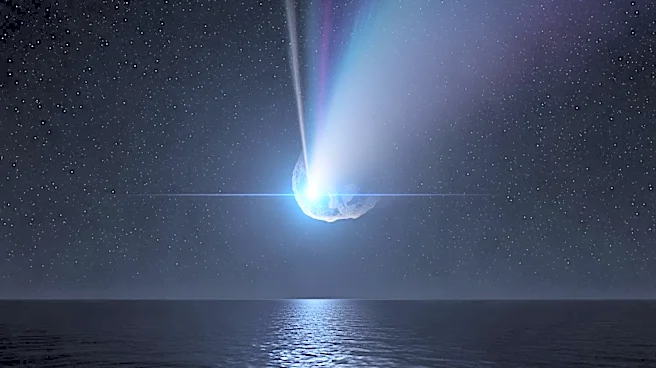
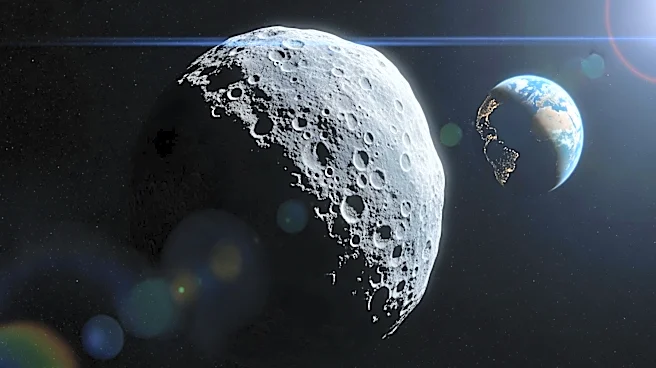
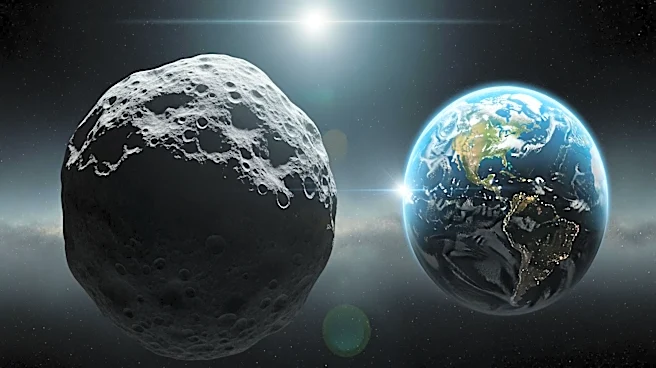
Comet C/2025 R3, discovered by the Pan-STARRS telescope in Hawaii, is nearing its peak visibility as it passes through the inner solar system. This rare celestial event, occurring once every 170,000 years, will be most visible from April 17 to April 27,
with its closest approach to the sun on April 19 and 20, and to Earth on April 26 and 27. The comet, known for its greenish coma and faint tail, will be visible to the naked eye from dark-sky locations, though binoculars or small telescopes are recommended for a clearer view. Observers are advised to look low on the eastern or northeastern horizon in the early morning hours before sunrise.
Why It's Important?
The visibility of Comet C/2025 R3 presents a unique opportunity for astronomers and skywatchers to observe a celestial event that occurs once in a lifetime. This event not only enriches public interest in astronomy but also provides scientists with valuable data on cometary behavior and composition. The comet's close approach to Earth, at approximately 44 million miles, allows for detailed observation and study, contributing to our understanding of the solar system's dynamics. Such events can inspire educational initiatives and public engagement in science, fostering a greater appreciation for space exploration and research.
What's Next?
As the comet reaches its peak visibility, astronomers and enthusiasts will continue to monitor its trajectory and brightness. Observatories and space agencies may release further observations and data, enhancing our understanding of this rare celestial visitor. Public interest is likely to increase, with potential for educational programs and community events centered around the comet's appearance. The event may also prompt discussions on the importance of continued investment in space observation technologies and research.