









What's Happening?
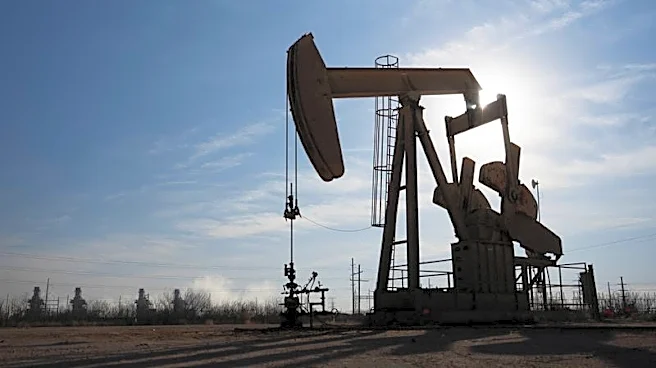
Russia's Central Bank has reduced its key interest rate from 14.5% to 14.25%, marking the ninth consecutive cut in its monetary easing policy. This decision comes amidst high inflation expectations driven by the global energy crisis and Ukrainian drone
attacks on Russian oil infrastructure. The Central Bank aims to manage inflation, which stood at 5.6% as of mid-June, with a forecast to cool to between 4.5% and 5.5% later this year. The reduction in the interest rate is a cautious move, as analysts had anticipated a larger cut. The Central Bank's decision is influenced by rising gasoline prices, which have increased by 6.6% since the start of the year.
Why It's Important?
The interest rate cut by Russia's Central Bank is significant as it reflects the country's ongoing struggle with economic challenges, including weaker oil and gas revenues and increased government spending due to its wartime economy. The decision to lower rates, despite high inflation, indicates a delicate balance between stimulating economic growth and controlling inflation. This move could impact global oil markets and economic relations, especially as Russia grapples with budget deficits and the sustainability of its state finances. The situation highlights the interconnectedness of global energy markets and geopolitical tensions.
What's Next?
The Central Bank's cautious approach suggests that interest rates may remain relatively high in the near future, potentially affecting Russia's economic growth and financial stability. The ongoing global energy crisis and geopolitical tensions will likely continue to influence Russia's economic policies. Stakeholders, including international investors and economic analysts, will be closely monitoring Russia's fiscal policies and their impact on global markets. The Central Bank's future actions will depend on inflation trends and the effectiveness of government measures to stabilize fuel supplies.