
What's Happening?
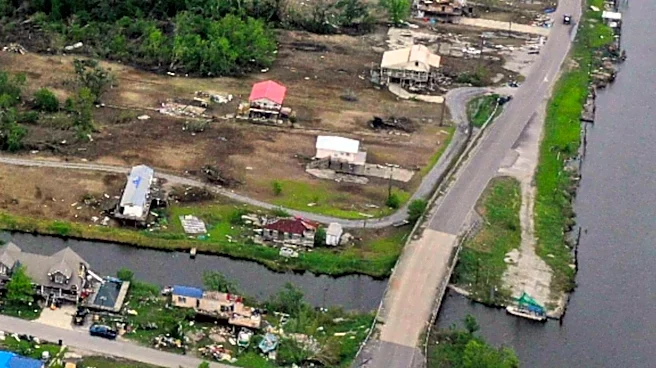
The American Red Cross is actively engaged in recovery efforts on the island of Rota after it was severely impacted by Super Typhoon Bavi. The storm, which struck two weeks ago, followed closely on the heels
of Super Typhoon Sinlaku, compounding the challenges faced by the region. The Red Cross, along with FEMA and other organizations, has been coordinating relief operations from Guam, which serves as the staging area. Over 400 residents are currently housed in Red Cross-managed shelters on Guam, receiving essential supplies and support. The organization is calling for volunteers and donations to aid in the recovery process, emphasizing the need for community involvement to help those affected by the back-to-back natural disasters.
Why It's Important?
The recovery efforts in Rota highlight the critical role of humanitarian organizations like the American Red Cross in disaster response and relief. The back-to-back typhoons have placed significant strain on the region's resources and infrastructure, underscoring the importance of coordinated aid efforts. The situation in Rota serves as a reminder of the increasing frequency and intensity of natural disasters, likely exacerbated by climate change, and the need for robust disaster preparedness and response strategies. The involvement of volunteers and donors is crucial in providing immediate relief and facilitating long-term recovery for affected communities.
What's Next?
As recovery efforts continue, the focus will be on transitioning shelter residents back to their homes and rebuilding the affected areas. The Red Cross and other organizations will likely continue to assess the needs of the community and provide ongoing support. There may also be discussions on improving infrastructure resilience and disaster preparedness in the region to better withstand future events. The response to Super Typhoon Bavi could influence future policies and funding allocations for disaster management and climate adaptation strategies.