



What's Happening?
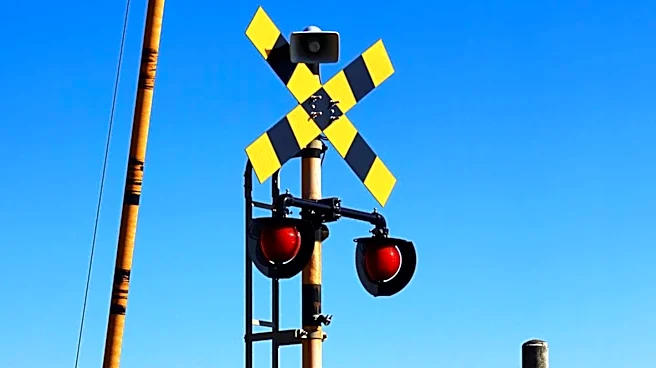
In New Haven, Indiana, city officials are addressing a significant issue with a railroad crossing on Broadway that is blocked an average of 22 times a day, causing substantial delays and disruptions. The city reports that drivers experience delays of over
eight minutes on average, with some blockages lasting nearly two hours. This situation has prompted local businesses and residents to express concerns about the impact on daily activities and safety, particularly for children commuting from school. Mayor Steve McMichael has stated that local governments lack the legal authority to intervene in such matters, prompting the city to seek federal assistance. New Haven has launched a website to garner support for the Build America 250 Act, a proposed federal bill that would mandate intervention in cases of frequent railroad crossing blockages. The bill would require the Secretary of Transportation to notify railroads, review blockages, and explore solutions, potentially qualifying affected crossings for federal funding.
Why It's Important?
The frequent blockages at the New Haven railroad crossing highlight a broader issue affecting many communities across the United States. These disruptions not only inconvenience residents and businesses but also pose safety risks. The push for federal intervention underscores the limitations local governments face in addressing such infrastructure challenges. If successful, the Build America 250 Act could set a precedent for federal involvement in resolving similar issues nationwide, potentially leading to improved transportation efficiency and safety. The outcome of this initiative could influence public policy and infrastructure funding, impacting communities that rely on efficient rail and road networks.
What's Next?
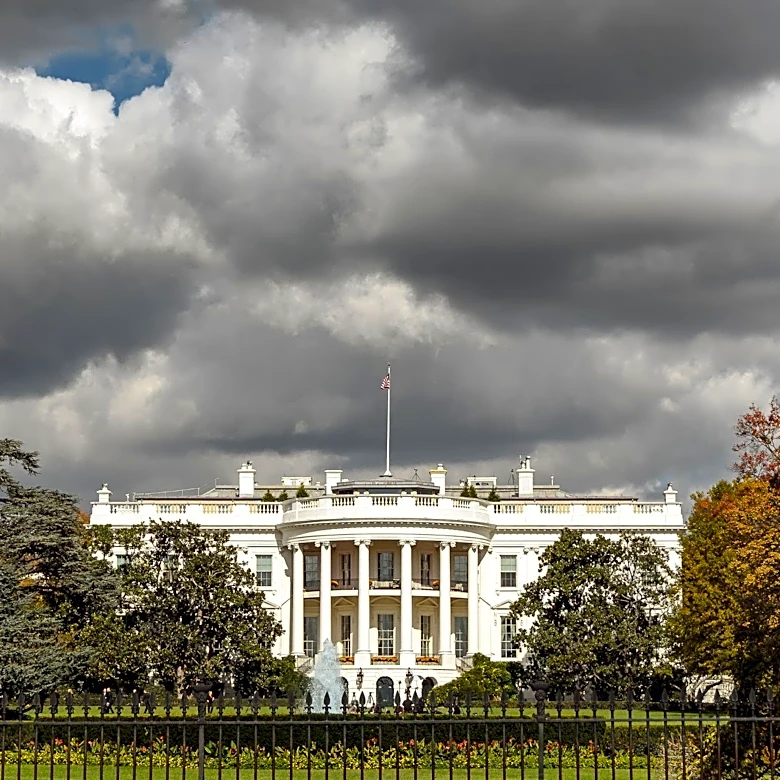
The city of New Haven is actively seeking community support to advance the Build America 250 Act. Residents are encouraged to participate by signing petitions and contacting their representatives in Congress. The outcome of this legislative effort will depend on the level of public support and the response from federal lawmakers. If the bill gains traction, it could lead to significant changes in how railroad crossing blockages are managed across the country. Stakeholders, including local governments, businesses, and residents, will be closely monitoring the progress of this initiative and its potential impact on transportation infrastructure.