

What's Happening?
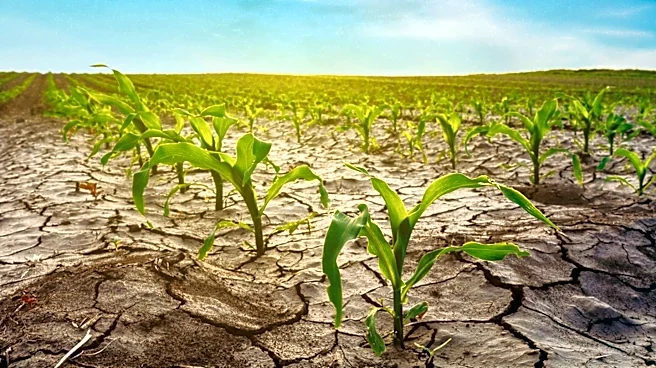
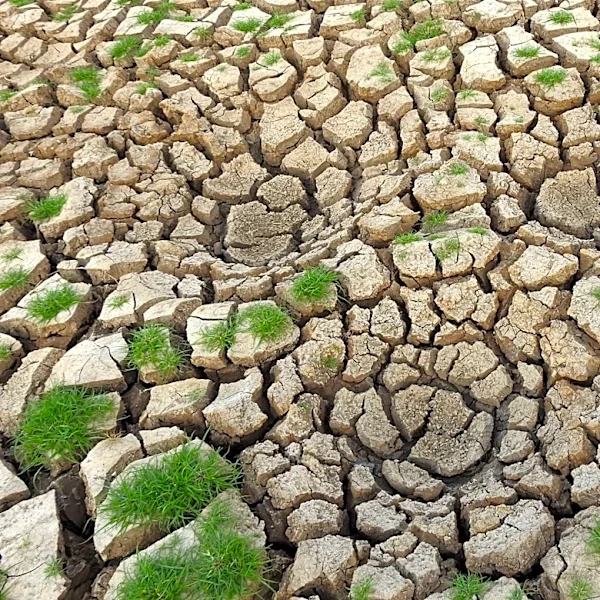
Oklahoma is experiencing significant drought conditions, characterized by a sharp east-to-west precipitation gradient. Southeastern Oklahoma receives over 50 inches of rain annually, while far western regions receive as little as 17 to 18 inches, with
some years seeing less than 10 inches. This variability makes western Oklahoma particularly vulnerable, relying heavily on groundwater for agricultural and municipal water supply. Recent years have seen 'flash droughts' that develop rapidly, causing substantial damage to agriculture. Historical droughts in the 20th century and recent ones in the 21st century have resulted in billions of dollars in agricultural losses.
Why It's Important?
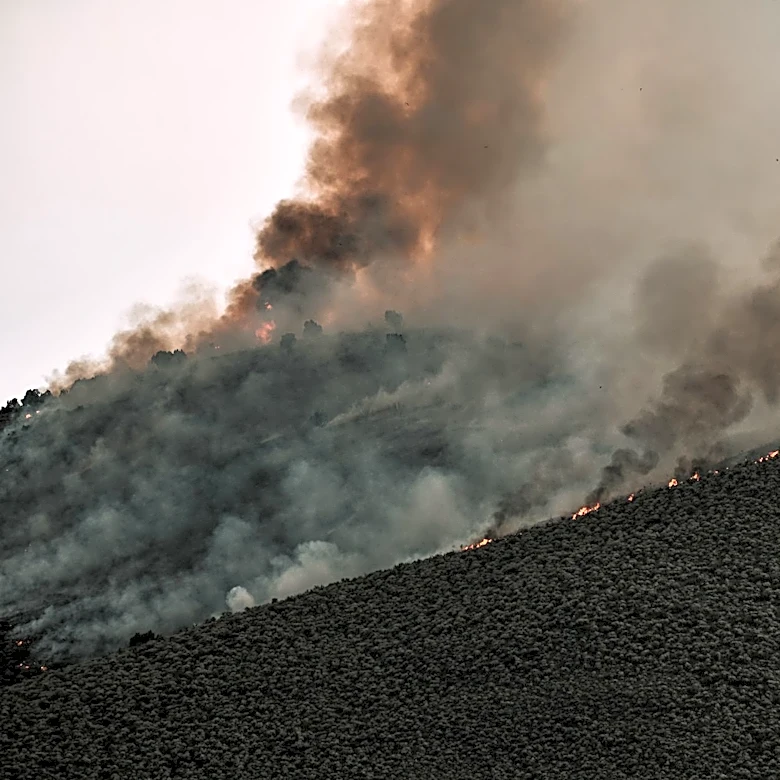
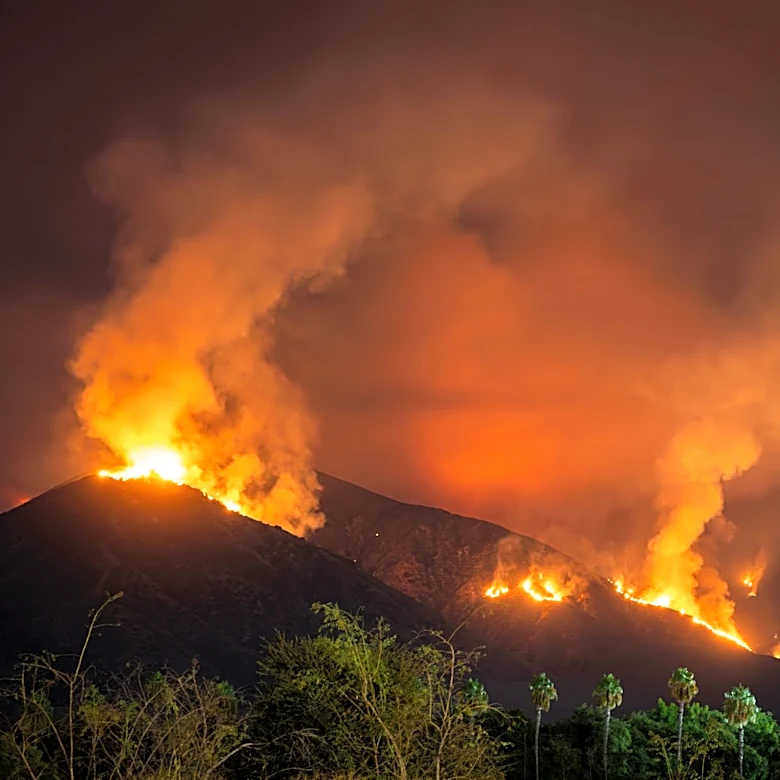
The recurring droughts in Oklahoma have profound implications for the state's agriculture, economy, and water resources. Agriculture, a critical sector in Oklahoma, suffers significant losses during droughts, affecting farmers' livelihoods and the state's economic stability. The reliance on groundwater in western Oklahoma highlights the need for sustainable water management practices. Additionally, the environmental impact of droughts, such as altered ecosystems and increased fire risks, poses long-term challenges. Addressing these issues requires coordinated efforts from state agencies, farmers, and communities to develop adaptive strategies and improve resilience against future droughts.
What's Next?
Efforts to mitigate the impact of droughts in Oklahoma will likely focus on enhancing water management practices and developing drought-resistant agricultural techniques. The Southern Plains Drought Early Warning System, launched by NOAA, plays a crucial role in providing timely information and coordinating actions to help communities prepare for and cope with drought. Continued research and investment in water conservation and sustainable agriculture will be essential in reducing the vulnerability of Oklahoma's economy and environment to future droughts.