
What's Happening?
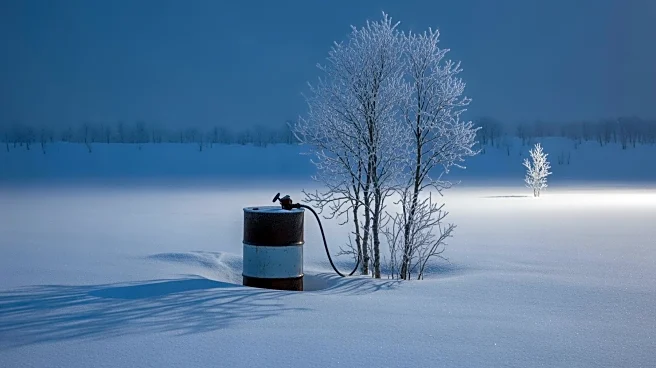
Northern First Nations in Canada, including Neskantaga and Webequie, continue to rely on diesel generators for power, facing high electricity costs and environmental concerns. A recent diesel leak in Neskantaga highlighted
the infrastructure challenges and health risks associated with diesel dependency. While some communities have connected to the provincial electricity grid, others remain reliant on diesel, particularly those near the mineral-rich Ring of Fire region. Discussions are underway to explore a transmission line project to connect these communities to the grid, offering more reliable and affordable energy. However, concerns persist about the potential impact on First Nation sovereignty and the environmental consequences of increased industrial development.
Why It's Important?
The reliance on diesel generators poses significant challenges for remote First Nations, including high energy costs, pollution, and health risks. Transitioning to more sustainable energy sources is crucial for improving living conditions and supporting economic development. The proposed transmission line project could provide cleaner energy and reduce dependency on diesel, but it also raises questions about the balance between industrial interests and community needs. Ensuring that First Nations are equal partners in energy development decisions is essential for respecting their sovereignty and achieving equitable outcomes. The situation underscores the broader issues of energy poverty and Indigenous rights in Canada.
What's Next?
The next steps involve further discussions and studies to assess the feasibility of the transmission line project and its potential impact on the Ring of Fire region. Stakeholders, including First Nations leaders, government officials, and energy experts, will need to collaborate to address concerns about environmental sustainability and community benefits. The development of renewable energy projects, such as solar and biomass, may also be explored as alternatives to diesel. Ensuring that First Nations have a voice in decision-making processes will be critical to achieving a fair and sustainable energy transition.
Beyond the Headlines
The transition away from diesel in Northern First Nations could have broader implications for energy policy and Indigenous rights in Canada. It highlights the need for inclusive and sustainable energy solutions that respect Indigenous sovereignty and address historical injustices. The situation also reflects the challenges of balancing economic development with environmental protection, particularly in regions with significant natural resources. Long-term, successful energy transition efforts could serve as a model for other remote communities facing similar challenges, promoting energy equity and climate resilience.