










What's Happening?
Political strategist James Carville has voiced strong criticism against far-left Democrats following a series of primary election upsets where Democratic Socialist candidates unseated moderate incumbents. Carville, known for his candid commentary, expressed
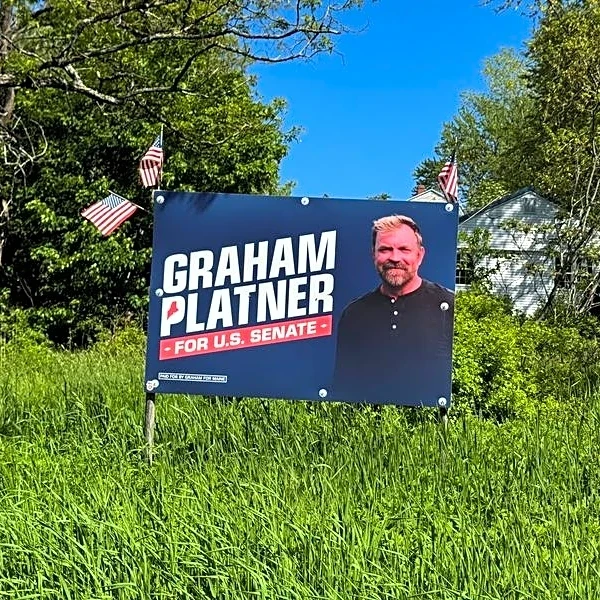
his views on his 'Politics War Room' podcast, highlighting the internal conflicts within the Democratic Party. He pointed to recent elections in New York and Colorado, where candidates like Darializa Avila Chevalier and Melat Kiros defeated established Democratic figures. Carville argued that these insurgent Democrats are focusing on defeating fellow party members rather than Republicans, which he sees as detrimental to the party's overall goals. He also criticized the lack of proper vetting of candidates, referencing the case of Graham Platner, a scandal-plagued candidate. Carville's remarks underscore a growing tension within the Democratic Party between its moderate and far-left factions.
Why It's Important?
Carville's critique highlights a significant ideological divide within the Democratic Party that could impact its cohesion and effectiveness in upcoming elections. The rise of far-left candidates poses a challenge to the party's traditional moderate base, potentially alienating centrist voters. This internal strife could weaken the party's ability to present a united front against Republicans, especially in critical midterm elections. The focus on internal battles rather than external opposition may hinder the party's legislative agenda and electoral success. Carville's comments also bring attention to the importance of candidate vetting, suggesting that failure to do so could lead to electoral vulnerabilities and reputational damage.
What's Next?
As the Democratic Party navigates these internal challenges, it may need to reassess its strategies to maintain unity and appeal to a broad voter base. The upcoming midterm elections will be a critical test of the party's ability to reconcile its ideological differences and focus on common goals. Party leaders may need to engage in dialogue with both moderate and far-left factions to develop a cohesive platform that addresses diverse voter concerns. Additionally, the party might consider implementing more rigorous candidate vetting processes to avoid future controversies and strengthen its electoral prospects.