








What's Happening?
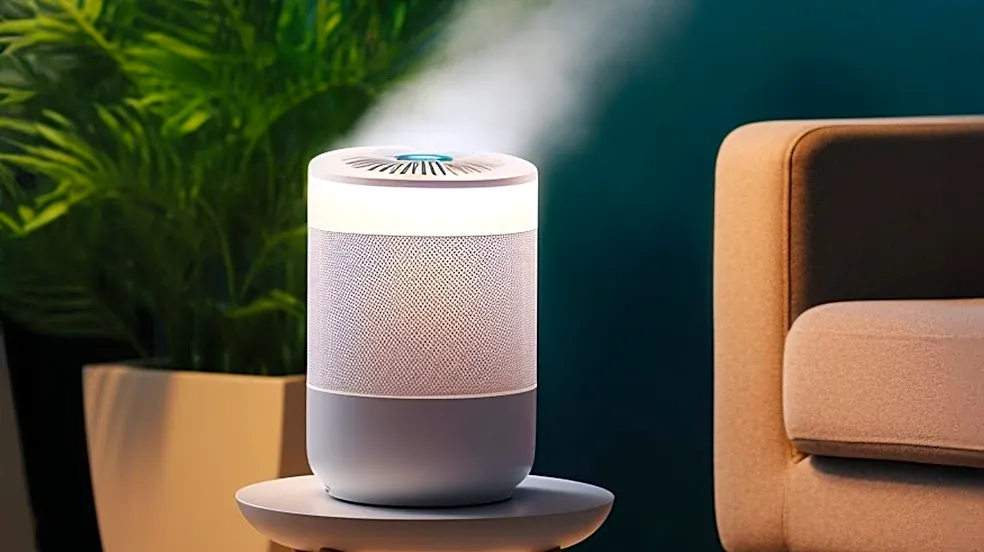
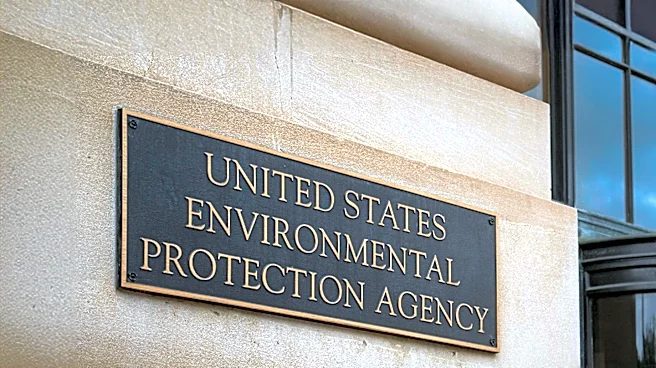
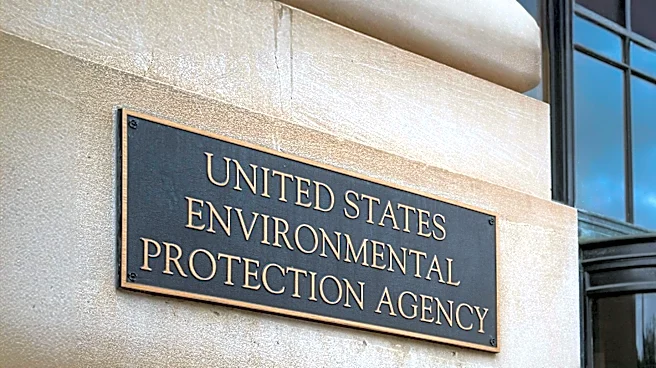
The Environmental Protection Agency (EPA) emphasizes that the most effective and cost-efficient strategies for improving indoor air quality involve eliminating or reducing pollution sources and enhancing ventilation. Indoor air pollutants, including particles
and gases like volatile organic compounds (VOCs), can originate from both outdoor environments and indoor activities such such as cooking, cleaning, and the use of various consumer products and building materials. Concentrations of many VOCs are often significantly higher indoors, sometimes up to ten times greater than outdoors. The EPA advises that while air cleaners and filtration systems can supplement these efforts, they are not a replacement for addressing the root causes of indoor air pollution. Controlling moisture to prevent mold growth and ensuring proper maintenance of combustion appliances to avoid carbon monoxide exposure are also critical components of maintaining healthy indoor air.
Why It's Important?
Poor indoor air quality poses significant health risks, contributing to respiratory issues, allergies, and other sensitivities. The EPA's guidance underscores a public health imperative, particularly for vulnerable populations who may experience exacerbated symptoms from chemical sensitivities or mold illness. By prioritizing source control and ventilation, individuals and building managers can proactively mitigate exposure to harmful pollutants, potentially reducing healthcare burdens and improving overall well-being. Economically, this approach can be more sustainable than relying solely on filtration, as increased ventilation can be more cost-efficient than the continuous operation and maintenance of advanced air cleaning systems. This guidance also influences product development and consumer choices, encouraging manufacturers to produce low-VOC products and promoting building practices that incorporate effective ventilation strategies.
What's Next?
Following the EPA's recommendations, consumers are encouraged to identify and reduce pollution sources in their homes, such as switching to fragrance-free and low-VOC cleaning products and properly storing paints and solvents away from living spaces. Regular maintenance of gas boilers and other fuel-burning appliances, along with the installation and testing of carbon monoxide detectors, will become more critical. Increased awareness may lead to a greater demand for homes with improved ventilation systems and for consumer products that adhere to lower emission standards. Building codes and health guidelines may further integrate these recommendations, potentially influencing construction practices and product labeling. Educational campaigns could also be launched to inform the public about simple, actionable steps to enhance indoor air quality.
Beyond the Headlines
The emphasis on source control and ventilation highlights a broader shift towards preventative health measures within indoor environments. This approach moves beyond merely treating symptoms of poor air quality to addressing its fundamental causes. It also raises ethical considerations regarding product manufacturing, urging companies to prioritize public health by developing safer, less emissive products. Culturally, there may be a growing appreciation for 'clean' indoor environments, influencing design trends in homes and workplaces to incorporate better airflow and natural materials. The long-term implications could include a reduction in chronic respiratory illnesses and a greater understanding of the interconnectedness between our living spaces and our health, fostering a more holistic approach to environmental well-being.