


What's Happening?
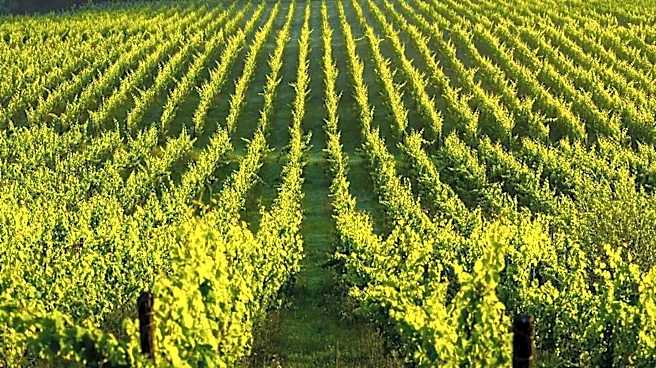
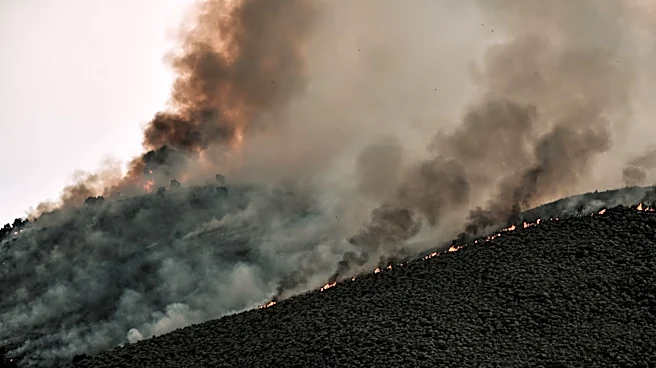
Wineries in British Columbia are grappling with the effects of 'smoke taint' caused by exposure to wildfire smoke. This phenomenon imparts a smoky, ashy aroma to wines, making them unappealing and unsellable. The unpredictability of smoke taint poses
a significant challenge, as it cannot be fully detected until the wine is bottled. Researchers, including Wesley Zandberg from the University of B.C., are working to find solutions, but the issue remains unresolved. The Okanagan Valley, a major wine-producing region, has been particularly affected, with many producers experiencing smoke taint in recent years.
Why It's Important?
The impact of smoke taint on the wine industry is a pressing concern, as it affects the quality and marketability of wines. This issue underscores the broader challenges posed by climate change, as increased wildfire activity threatens agricultural sectors. For the wine industry, smoke taint can lead to significant economic losses, affecting both small and large producers. The uncertainty surrounding smoke taint also complicates planning and risk management for vineyard owners, highlighting the need for effective mitigation strategies and research to safeguard the industry.