





What's Happening?
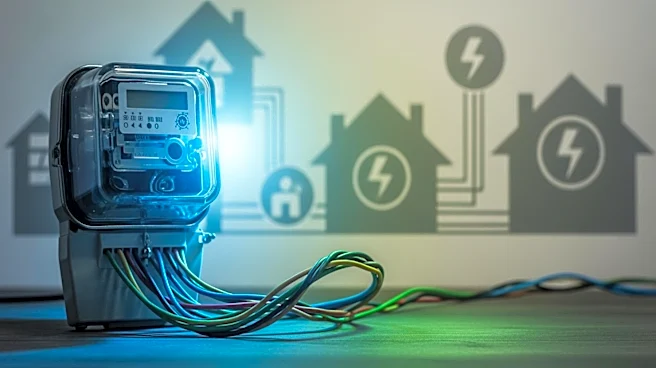
The Department of Energy (DOE) has issued new guidance that complicates access to home energy rebate programs, which were designed to help households upgrade to clean energy equipment. This guidance prohibits the use of rebate funds for replacing fossil
fuel-fired appliances with efficient electric alternatives, such as heat pumps. Instead, rebates are restricted to electric-to-electric appliance changes. This move undermines the program's original intent, which was to facilitate significant energy savings and pollution reduction by transitioning from gas to electric appliances. The changes also make ENERGY STAR optional in states and remove oversight steps meant to protect consumers. These programs, created by the Inflation Reduction Act, initially included $8.8 billion in grant funding to help American households save energy, reduce pollution, and lower energy bills.
Why It's Important?
The new guidance from the DOE could have significant implications for American households, particularly those with low to moderate incomes. By restricting the types of appliances eligible for rebates, the guidance may prevent families from achieving substantial energy savings and reducing their energy bills. This could disproportionately affect those who rely on these programs to afford cleaner, more efficient home energy solutions. The changes may also benefit the oil and gas industry by maintaining the use of fossil fuel appliances, contrary to the program's goals of promoting clean energy. The broader impact includes potential setbacks in national efforts to reduce carbon emissions and transition to sustainable energy sources.
What's Next?
The changes to the rebate program may prompt responses from environmental advocacy groups, policymakers, and affected households. There could be calls for legislative or legal action to challenge the DOE's guidance and restore the program's original intent. Additionally, states may seek to implement their own measures to support clean energy transitions, potentially leading to a patchwork of state-level initiatives. The situation may also influence future policy discussions on energy efficiency and climate change mitigation strategies.