



What's Happening?
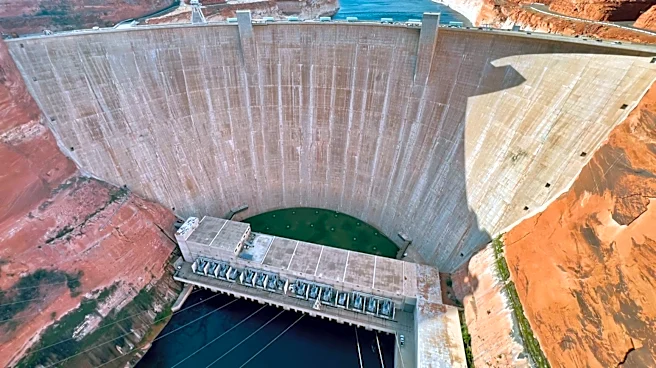
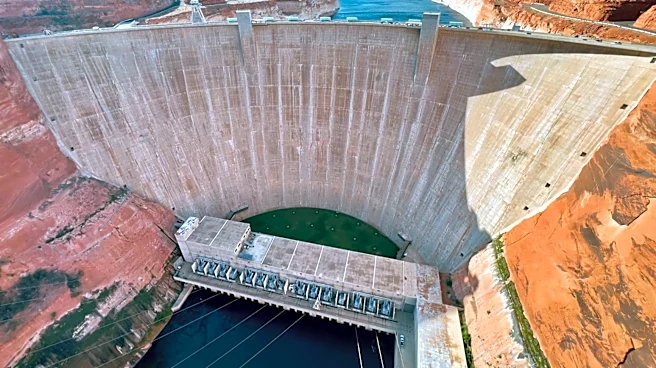
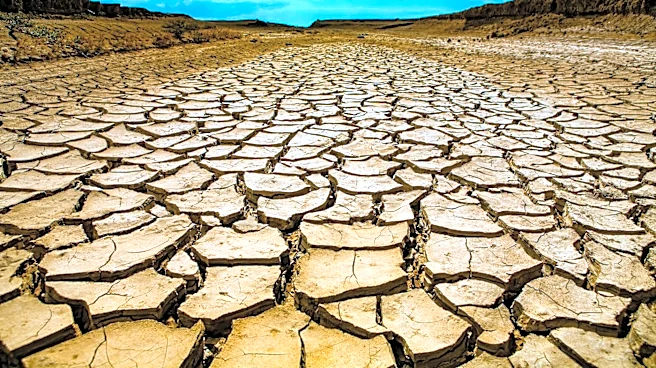
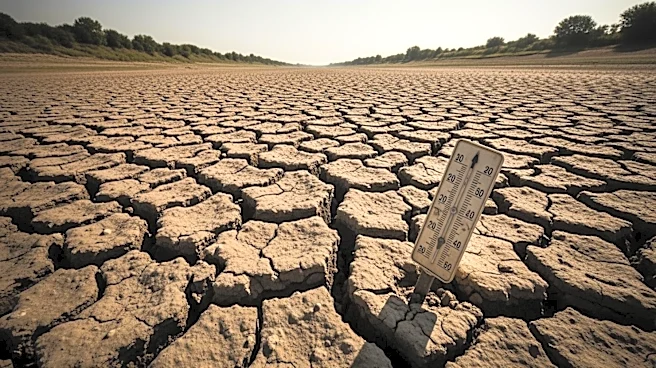
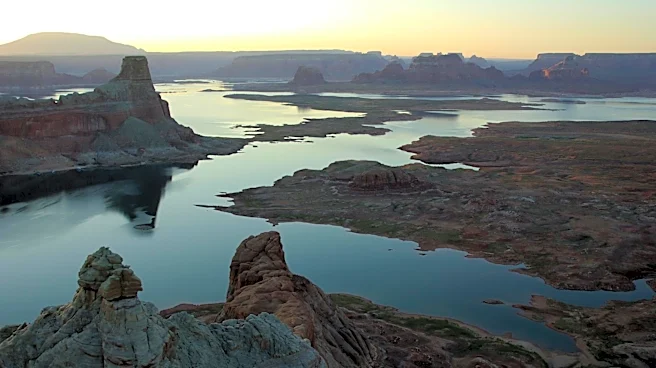
The U.S. Bureau of Reclamation has proposed a dramatic plan to cut water usage by up to 3 million acre-feet annually for Arizona, California, and Nevada. This initiative aims to maintain water levels in Lake Mead and Lake Powell, which are severely depleted
due to prolonged drought and overuse. The proposed cuts are nearly double the reductions previously suggested by the lower-basin states, which had offered to reduce their water use by 1.6 million acre-feet per year. The plan, which will be reviewed every two years, is designed to provide stability and flexibility in managing the water crisis. The federal government intervened after the states failed to reach a consensus on water-sharing agreements, highlighting the urgency of the situation.
Why It's Important?
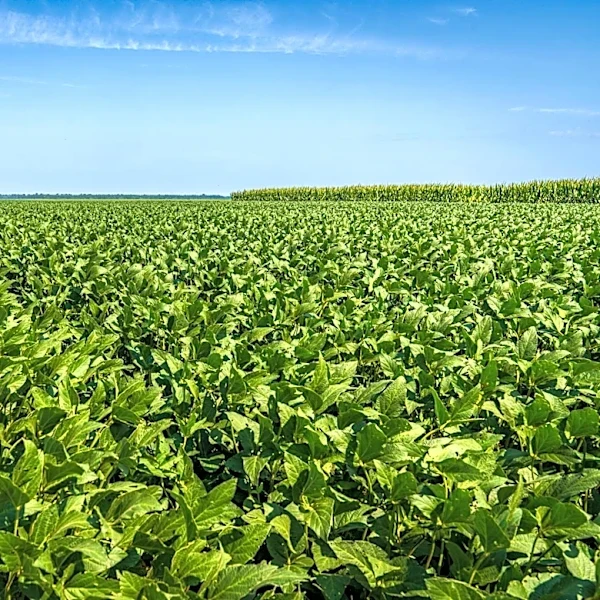
The proposed water cuts are crucial in addressing the ongoing water crisis in the Colorado River Basin, which affects millions of people and numerous industries. The reductions could have far-reaching implications for agriculture, urban development, and environmental conservation in the affected states. The plan underscores the need for sustainable water management practices and highlights the challenges of balancing water demands with limited resources. The federal intervention reflects the severity of the situation and the necessity for coordinated efforts to prevent further depletion of critical water supplies. The outcome of this plan could set a precedent for future water management policies in the region.
What's Next?
The proposed plan will be implemented under existing Colorado River law or through agreements among the states. The U.S. Bureau of Reclamation will continue to evaluate the plan's effectiveness and make adjustments as needed. Stakeholders, including state water agencies and environmental groups, will closely monitor the situation and advocate for sustainable water management practices. The plan's success will depend on the cooperation of the involved states and their ability to adapt to the new water restrictions. The ongoing drought and climate change may necessitate further adjustments to water management strategies in the future.