


What's Happening?
Global financial markets have reacted to President Trump's threat to hit Iran 'extremely hard' in the coming weeks. In a national address, President Trump announced plans for military action, leading to significant market volatility. Asian stocks, U.S.
Treasuries, and oil prices were among the first to be affected, with Asian markets reversing earlier gains and U.S. stock futures declining. The announcement has also impacted currency markets, with the U.S. dollar strengthening against major currencies. The geopolitical tensions have raised concerns about the potential for prolonged conflict and its impact on global economic stability.
Why It's Important?
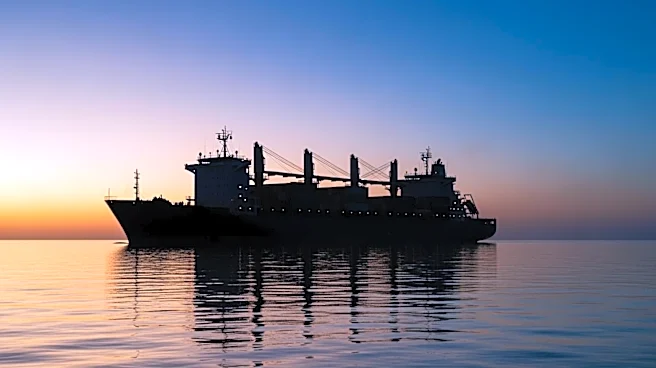
The market reactions underscore the interconnectedness of global financial systems and the impact of geopolitical events on economic stability. The potential for military conflict in the Middle East, particularly involving the Strait of Hormuz, poses risks to global oil supply and energy prices. This could lead to inflationary pressures and economic disruptions worldwide. The situation also highlights the challenges faced by policymakers and investors in navigating geopolitical risks and their implications for financial markets.
What's Next?
The trajectory of the conflict and its impact on global markets will depend on the actions of the U.S. and Iran in the coming weeks. Diplomatic efforts may offer a path to de-escalation, but the potential for further military action remains. Investors and policymakers will need to remain vigilant and prepared for potential market volatility and economic disruptions.