






What's Happening?
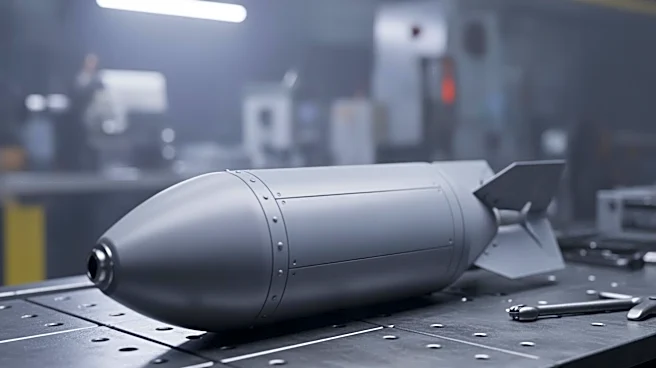
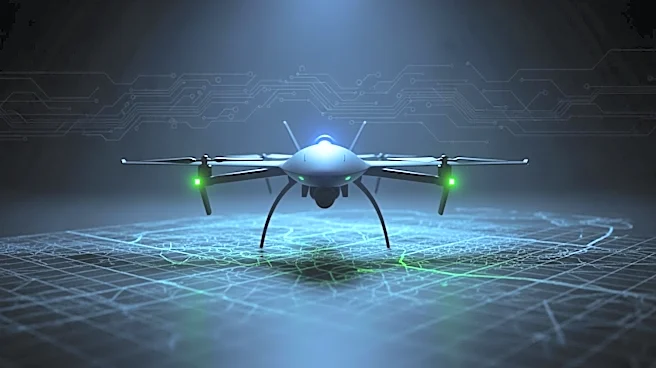
The Indian Army has released a comprehensive Unmanned Aerial Systems (UAS) Technology Roadmap, marking a significant step in modernizing its defense capabilities. This strategic document, unveiled in New Delhi, focuses on integrating drones and loitering
munitions into military operations. The roadmap outlines the development of 30 types of unmanned systems, categorized into surveillance drones, loitering munitions, air defense systems, logistics drones, and special-purpose systems. The initiative aims to guide industry, startups, and research institutions in aligning their innovations with the Army's future operational needs. The roadmap emphasizes the importance of indigenous technologies and better coordination between defense forces and innovators, supporting the 'Make in India' initiative.
Why It's Important?
The introduction of the UAS Technology Roadmap is crucial for India's defense strategy as it prepares the nation for future technology-driven warfare. By focusing on low-cost, scalable drone technology, the Indian Army aims to enhance its combat capabilities while reducing risks to soldiers. This approach is particularly relevant in modern conflicts, where drones have proven effective in providing real-time surveillance and precision strikes. The roadmap also strengthens India's defense self-reliance and encourages an innovation ecosystem by promoting indigenous manufacturing and collaboration with startups and research institutions. This strategic move ensures that India remains competitive in the global security landscape and can effectively respond to evolving threats.
What's Next?
The Indian Army's focus on drone technology is expected to lead to increased collaboration with industry and academia to develop and deploy these systems. The roadmap's emphasis on indigenous manufacturing aligns with the Aatmanirbhar Bharat vision, potentially boosting the domestic defense industry. As the Army implements this roadmap, it will likely prioritize the integration of these technologies into its operations, enhancing its readiness for future conflicts. The success of this initiative could also influence other sectors of the Indian military to adopt similar technology-driven approaches, further strengthening the country's defense capabilities.