






What's Happening?
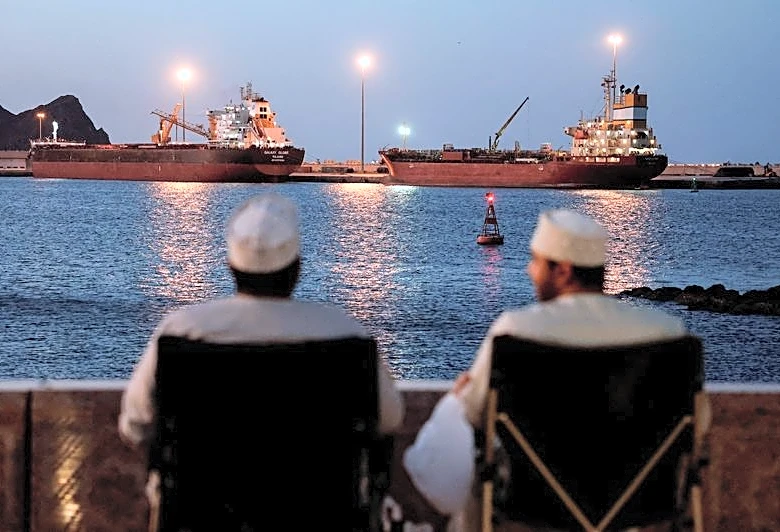
Japan is facing challenges in replacing liquefied natural gas (LNG) supplies lost due to the closure of the Strait of Hormuz, a critical route affected by the US-Israel conflict with Iran. The International Energy Agency reports that this closure has
removed nearly 20% of global LNG supply, significantly impacting Japan, which heavily relies on this route for its imports. In response, Japan has temporarily increased its coal usage by suspending a cap on coal plant operations. However, this measure is expected to be short-lived, with the policy set to be reinstated in the next fiscal year. Despite the policy shift, Japan's coal imports are insufficient to fully replace the lost LNG, with potential savings covering only a fraction of the annual imports through the strait.
Why It's Important?
The disruption in LNG supply highlights Japan's vulnerability in energy security and its heavy reliance on imports through geopolitically sensitive routes. The temporary shift to coal, while providing some relief, underscores the challenges in balancing energy needs with environmental commitments. This situation could lead to increased competition in regional energy markets, as Japan may turn to spot markets, potentially driving up prices and affecting other importers like South Korea and India. The reliance on coal also raises concerns about Japan's carbon emissions and its ability to meet climate goals, posing a dilemma between immediate energy needs and long-term sustainability objectives.
What's Next?
Japan's energy sector is likely to face continued uncertainty until the Strait of Hormuz reopens. Utilities are expected to avoid long-term coal commitments, waiting for clarity on the situation. If the strait remains closed, Japan may need to explore alternative energy sources or further increase coal usage, impacting its environmental policies. The situation could prompt Japan to accelerate investments in renewable energy and diversify its energy import routes to enhance resilience against future disruptions.