







What's Happening?
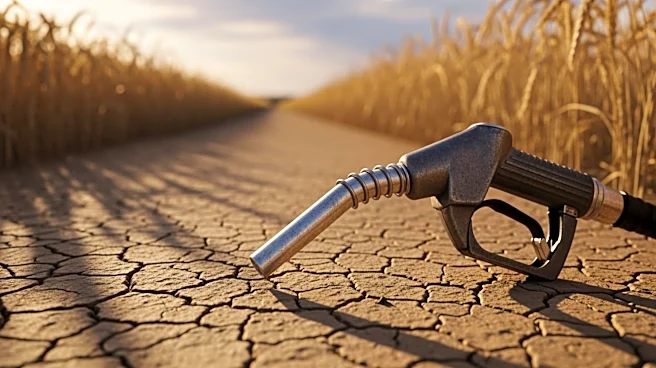
U.S. farmers are facing increased financial pressure due to rising diesel prices, driven by the ongoing conflict in Iran, which has disrupted fuel supplies through the Strait of Hormuz. Diesel prices have reached record highs in key agricultural states,
with Wisconsin, Indiana, and Illinois experiencing significant increases. This surge in fuel costs is impacting farmers' ability to operate machinery necessary for planting and harvesting, leading to higher input costs and reduced profit margins. Farmers are also dealing with falling grain prices, exacerbating financial challenges.
Why It's Important?
The rise in fuel prices poses a significant threat to the U.S. agricultural sector, which is heavily reliant on diesel-powered machinery. Higher input costs could lead to increased food prices, affecting consumers nationwide. The financial strain on farmers may result in reduced agricultural output, impacting food supply chains and potentially leading to shortages. The situation underscores the vulnerability of the agricultural sector to geopolitical events and highlights the need for strategies to mitigate such risks.
What's Next?
If the conflict in Iran persists, fuel prices may continue to rise, further straining U.S. farmers. This could lead to increased calls for government intervention or support to help farmers manage costs. Additionally, there may be a push towards exploring alternative energy sources or more efficient farming practices to reduce dependency on diesel. The agricultural sector may also advocate for policy changes to address the impact of geopolitical events on fuel supplies and prices.