




What's Happening?
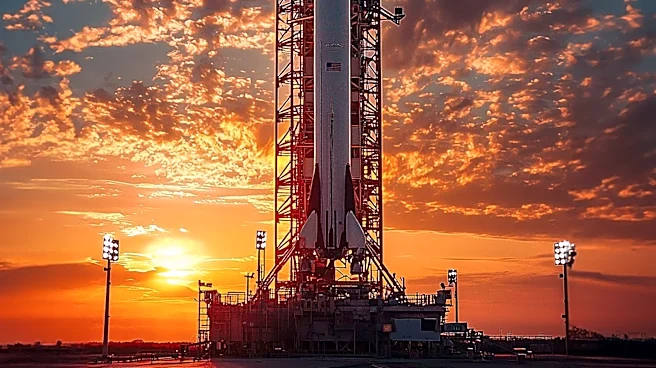
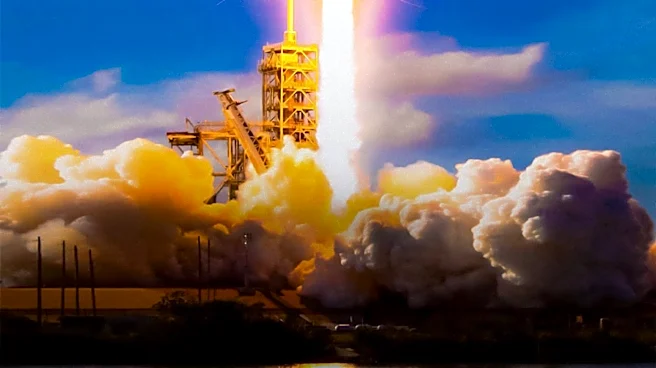
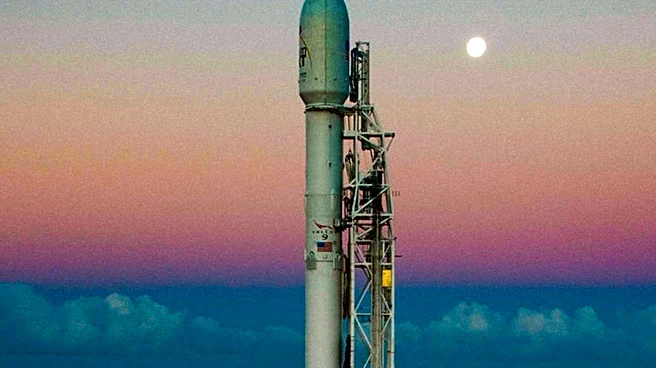
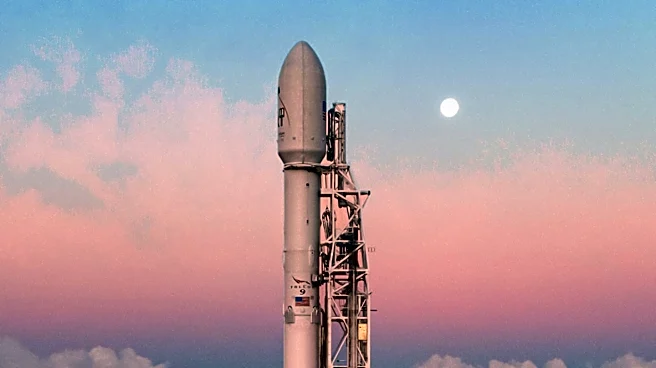
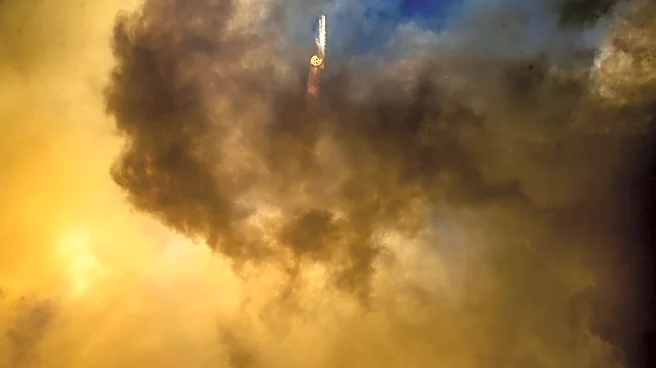
A SpaceX Falcon 9 rocket's upper stage is on a collision course with the moon, expected to impact near the Einstein Crater on August 5. This unplanned event will create a new crater and potentially produce a dust plume visible from Earth. The collision follows
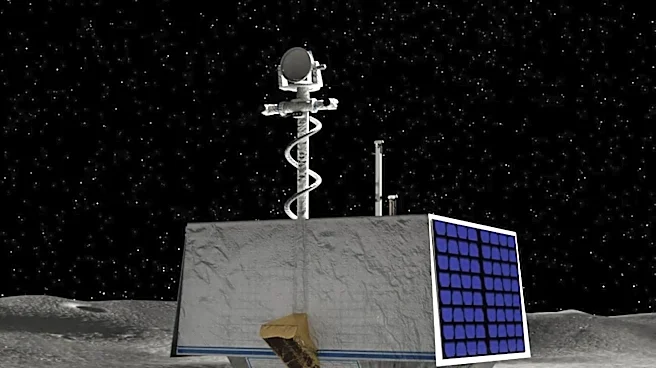
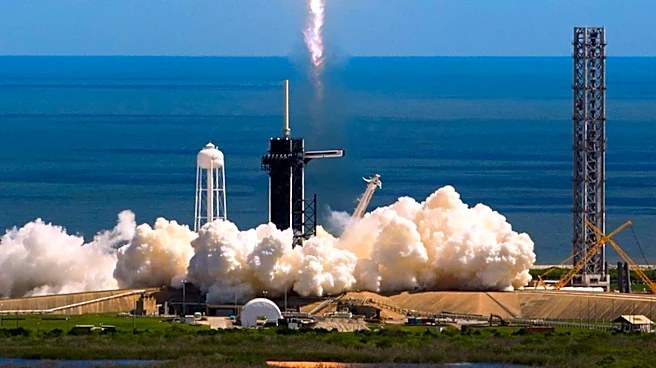
the rocket's previous mission, which launched two lunar landers in January 2025. The rocket's upper stage, lacking sufficient fuel to return to Earth or move into deep space, has been in orbital limbo until gravity directed it towards the moon. This incident highlights the challenges of space junk management and the need for regulatory frameworks to address the disposal of space hardware.
Why It's Important?
The upcoming collision underscores the growing issue of space debris and its potential impact on future lunar missions. As space exploration intensifies, the accumulation of space junk poses risks to both manned and unmanned missions. The event provides a unique opportunity for scientists to study the effects of lunar impacts, which could inform future space exploration strategies. Additionally, the incident raises questions about the responsibility of private companies in managing space debris, as well as the need for international cooperation in space governance.
What's Next?
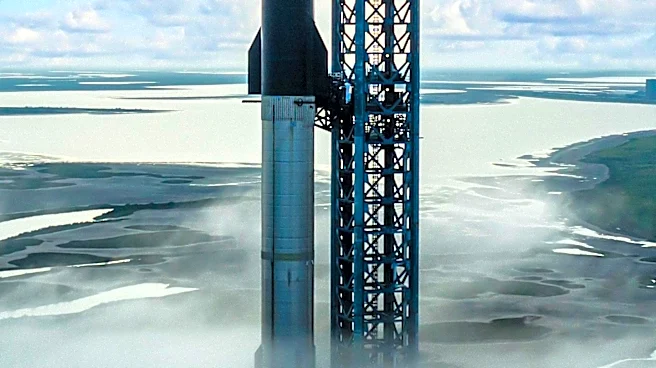
Following the collision, NASA's Lunar Reconnaissance Orbiter and South Korea's Danuri lunar orbiter will capture before-and-after images of the impact site. These observations will help scientists analyze the effects of the collision and improve models of lunar impacts. The event may prompt discussions among space agencies and private companies about developing better strategies for space debris management. As SpaceX continues to develop its Starship rocket for future lunar missions, the company may need to address the challenges of space junk disposal to ensure the sustainability of space exploration.