
What's Happening?
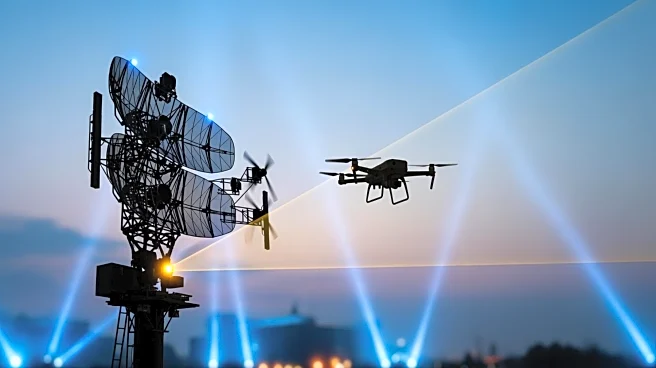
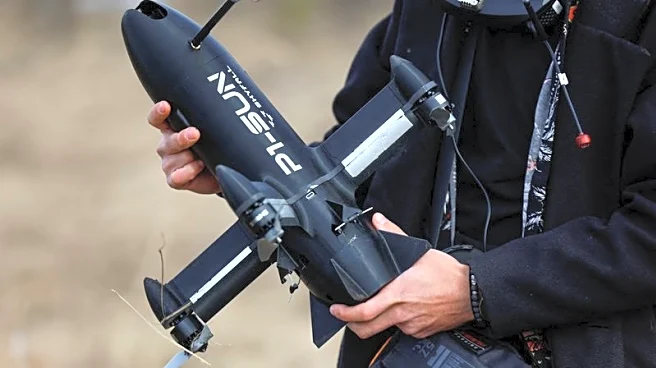
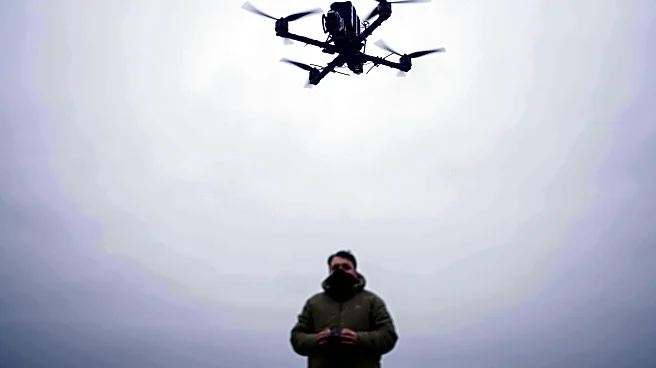
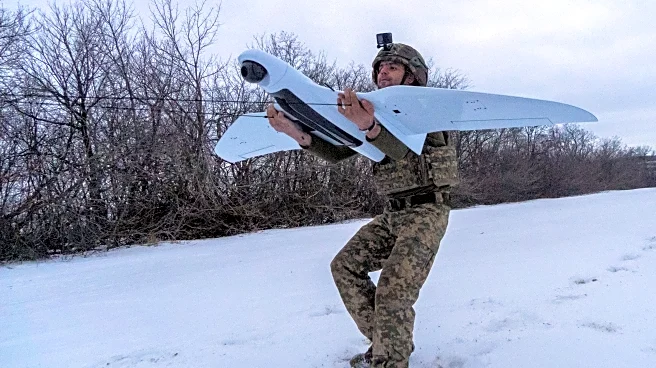
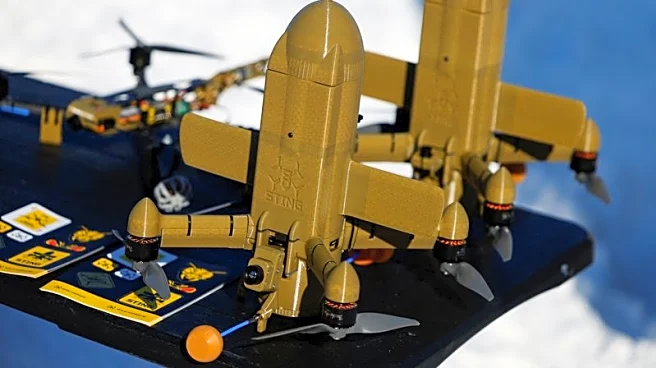
Ukraine has developed a robust defense sector focused on low-cost interceptor drones, designed to counter Iranian-style Shahed drones used by Russia. As the Middle East faces a shortage of missile stocks, the U.S. and Gulf states have shown interest in Ukraine's
drone technology. Ukrainian President Volodymyr Zelenskyy has ordered the deployment of Ukrainian equipment and experts to assist in the Middle East, although details remain classified. Despite a ban on weapons exports since Russia's invasion in 2022, Ukrainian manufacturers are prepared to produce tens of thousands of interceptor drones monthly. The U.S. and Gulf countries have requested these drones, but Ukraine's entry into the global arms market faces challenges, including the need for a state-regulated export system.
Why It's Important?
The interest in Ukraine's interceptor drones highlights the growing demand for cost-effective defense solutions against drone warfare. The U.S. and its allies in the Gulf are seeking alternatives to expensive missile systems like the Patriot, which are being rapidly depleted. Ukraine's ability to mass-produce and deploy these drones could position it as a key player in modern warfare technology. However, the transition from a wartime innovation to a global market player requires careful diplomatic and regulatory navigation. Success in this area could enhance Ukraine's geopolitical leverage and economic prospects.
What's Next?
Ukraine's potential entry into the global arms market depends on overcoming regulatory hurdles and establishing a formal export system. The Ukrainian government and President Zelenskyy must decide on the terms of cooperation with international partners. Training foreign crews to operate the drones and integrating them with existing radar systems are critical steps. The outcome of these efforts could significantly impact Ukraine's defense industry and its role in international security collaborations.