






What's Happening?
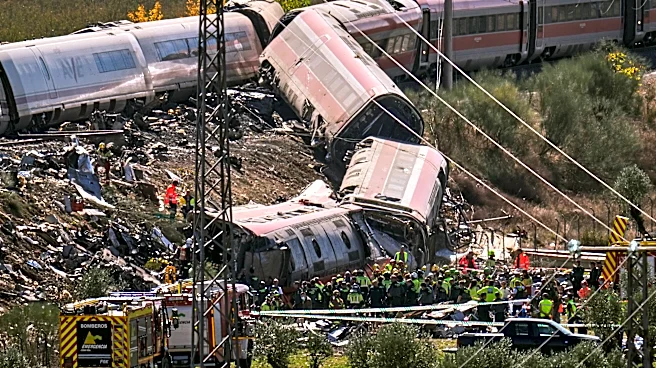
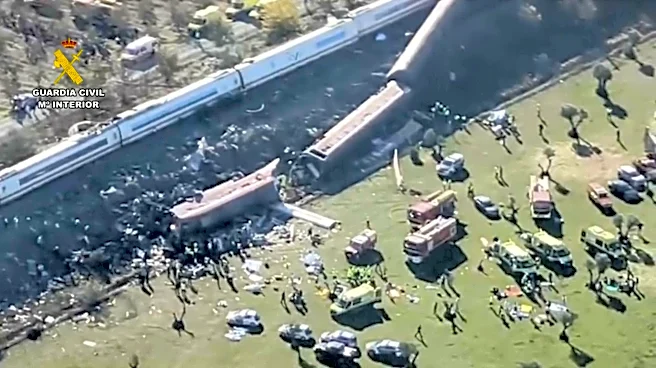
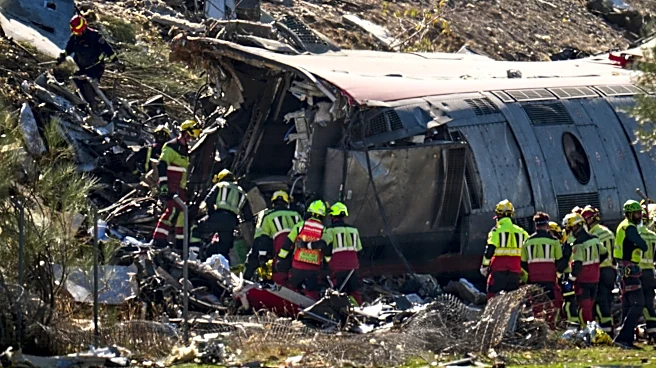
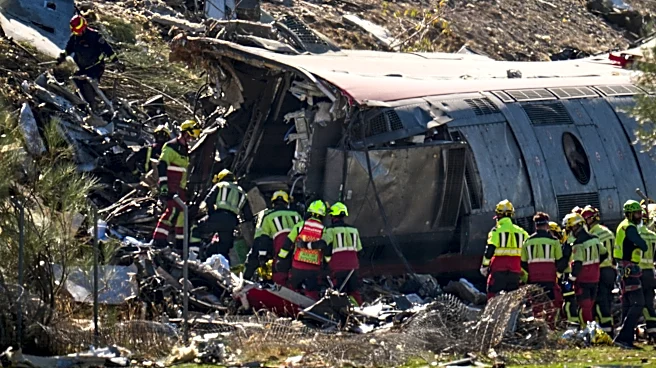
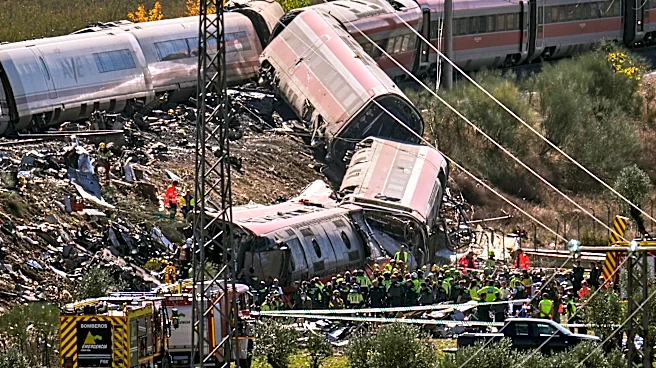
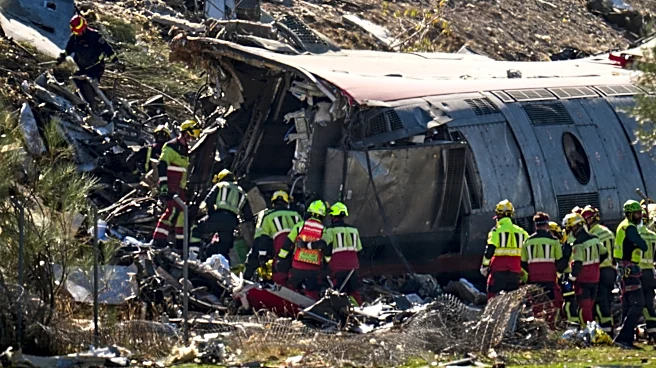
President Xi Jinping of China sent a message of condolence to King Felipe VI of Spain on October 29, 2026, following a tragic high-speed train rear-end collision and derailment in Toledo Province, Spain. President Xi expressed his shock at the incident,
which resulted in heavy casualties. On behalf of the Chinese government and people, he conveyed deep condolences for the victims, extended sincere sympathies to the bereaved families, and wished a speedy recovery to the injured. On the same day, Premier Li Qiang of the State Council also sent a message of condolence to Spanish Prime Minister Pedro Sánchez.
Why It's Important?
This message of condolence from President Xi Jinping highlights the international diplomatic response to major humanitarian crises. It underscores the global interconnectedness and the practice of nations extending solidarity during times of tragedy. For China, a country with an extensive and rapidly developing high-speed rail network, such an incident in another nation with advanced rail technology likely draws particular attention. It serves as a reminder of the universal challenges in maintaining safety and preventing accidents in complex transportation systems, potentially prompting internal reviews or discussions on rail safety standards and emergency response protocols within China. The gesture also reinforces bilateral relations between China and Spain.
What's Next?
While the immediate focus for Spain is on rescue, recovery, and investigation, the international condolences, including those from China, contribute to the global dialogue on rail safety. There are no direct immediate actions expected from China beyond the diplomatic gesture. However, such events often lead to an exchange of information and best practices in railway engineering, safety management, and accident investigation among countries with significant rail infrastructure. The long-term implications could involve enhanced international cooperation on transportation safety standards and technology, as nations learn from each other's experiences to prevent similar tragedies.
Beyond the Headlines
Beyond the immediate diplomatic gesture, China's response to the Spanish train disaster could subtly influence its own approach to high-speed rail development and safety. As China continues to expand its high-speed rail network both domestically and as part of its Belt and Road Initiative, lessons learned from international incidents become increasingly valuable. This event might prompt Chinese railway authorities to re-evaluate their own safety protocols, particularly concerning human error and system redundancies, to ensure the continued reliability and safety of their vast network. It also subtly reinforces China's image as a responsible global actor, offering support and sympathy in times of international crisis.