
What's Happening?
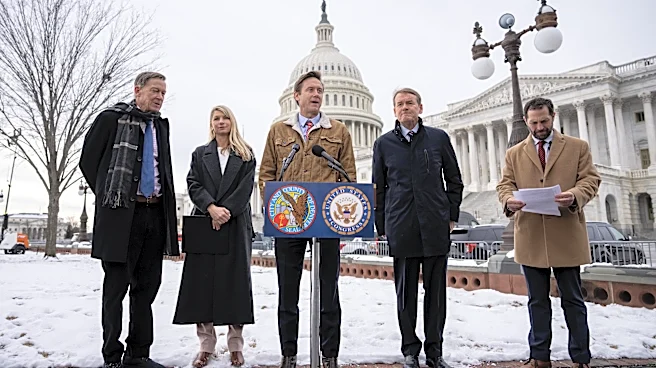
U.S. Senator Maria Cantwell (D-Wash.), Ranking Member of the Senate Committee on Commerce, Science and Transportation, successfully led the unanimous Senate passage of the bipartisan Weather Research and Forecasting
Innovation Reauthorization Act of 2026 (Weather Act). This legislation has now been sent to the House of Representatives for consideration. The Weather Act is designed to authorize and strengthen programs within the National Oceanic and Atmospheric Administration (NOAA), focusing on enhancing weather research and forecasting capabilities. The goal is to improve the nation's preparedness and response to dangerous weather disasters, ultimately saving lives. Senator Cantwell, a long-time advocate for NOAA, previously secured $3.3 billion in NOAA investments through the Inflation Reduction Act to support climate change adaptation, scientific understanding of weather patterns, and advanced computing for extreme weather prediction. The bill also incorporates elements from her Fire Ready Nation Act, which aims to bolster NOAA's ability to forecast, prevent, and combat wildfires.
Why It's Important?
The unanimous Senate passage of the Weather Act Reauthorization of 2026 is crucial for national safety and economic stability. With increasingly frequent and severe weather events, improved forecasting and preparedness are vital for protecting lives and property across the United States. The legislation's focus on modernizing weather radar, enhancing warning systems, and improving forecasts for phenomena like atmospheric rivers and wildfires directly addresses critical vulnerabilities. For instance, better wildfire forecasting can mitigate the devastating impacts seen in regions like Spokane, while advanced drought monitoring supports agricultural and water management sectors. The bill's provisions for upgrading outdated weather radio technology and expanding coverage to rural areas are essential for ensuring equitable access to life-saving alerts. Furthermore, the investment in NOAA's research and technology, including advanced computer systems, underscores a commitment to science-informed decision-making, which benefits various sectors from aviation to agriculture by providing more accurate and timely weather data.
What's Next?
The Weather Act Reauthorization of 2026 now moves to the House of Representatives for consideration. Its unanimous passage in the Senate suggests strong bipartisan support, which could facilitate its swift review and approval in the House. If passed by the House, the bill will then proceed to the President's desk to be signed into law. Should it become law, NOAA will be tasked with implementing the authorized programs, including the deployment of next-generation weather radar technology by 2037, the establishment of an atmospheric river forecast improvement program, and the enhancement of public communication systems for hazardous weather events. The legislation also mandates improvements in wildfire condition forecasting and drought monitoring technologies. Stakeholders, including emergency managers, agricultural communities, and scientific organizations, will likely monitor its implementation closely to ensure the intended benefits in preparedness and response are realized.
Beyond the Headlines
The Weather Act Reauthorization reflects a broader recognition of the escalating challenges posed by climate change and extreme weather events. Beyond immediate safety improvements, this legislation signifies a long-term commitment to scientific infrastructure and data-driven policy. The emphasis on integrating advanced technologies like AI for forecasting and expanding commercial data partnerships highlights a shift towards leveraging diverse resources for national resilience. Ethically, the bill addresses the imperative to protect vulnerable communities, particularly those in rural areas, by ensuring access to critical weather alerts. Culturally, it reinforces the value of scientific research and interagency cooperation in addressing complex environmental issues. The sustained investment in NOAA, as demonstrated by this act and previous funding, indicates a strategic national effort to adapt to a changing climate and safeguard the well-being and economic stability of the United States for decades to come.