



What's Happening?
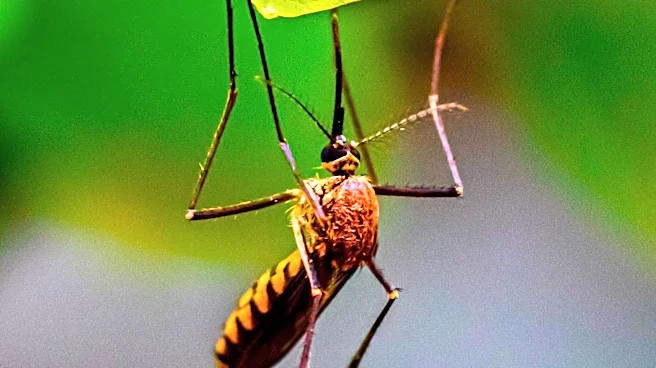
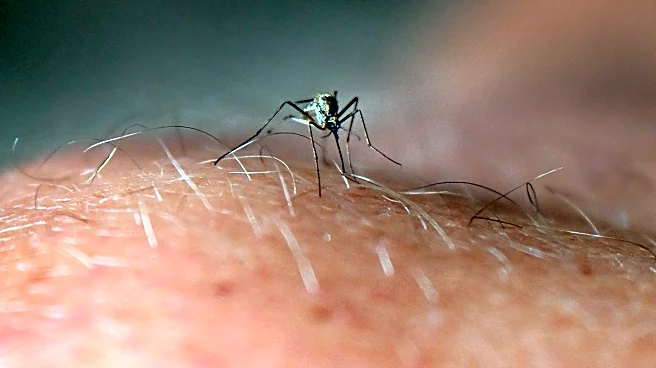
The Pennsylvania Department of Environmental Protection (DEP) Vector Management has reported that two mosquito samples collected in State College Borough have tested positive for the West Nile Virus. This detection has prompted the Centre County Mosquito
Disease Control Program staff to initiate additional mosquito surveillance, sampling, and larval control measures. Residents are being urged to take preemptive actions, including inspecting their yards, reducing clutter, and eliminating sources of stagnant water where mosquitoes can breed. Mosquitoes can complete their life cycle within five to seven days during the months of May through October, with artificial containers like flower vases, tires, buckets, and tarps being common breeding grounds. These containers often lack natural predators, allowing mosquito populations to flourish. The DEP also advises residents to use repellents when outdoors and consider community-wide cleanups to mitigate mosquito concerns and disease risk.
Why It's Important?
The detection of West Nile Virus in State College highlights an ongoing public health concern in the U.S. West Nile Virus can lead to West Nile encephalitis, a serious infection causing brain inflammation, and all residents in areas with identified virus activity are at risk, according to the Pennsylvania Department of Health. The presence of the virus necessitates immediate action to prevent human infections and control mosquito populations. The reliance on community participation in removing stagnant water sources underscores the shared responsibility in public health. Effective mosquito control is crucial not only for preventing West Nile Virus but also for managing nuisance mosquito populations that can impact outdoor activities and quality of life. The situation also emphasizes the importance of continuous surveillance programs by state and local agencies to monitor and respond to vector-borne diseases.
What's Next?
Following the positive test results, the Centre County Mosquito Disease Control Program staff will continue with enhanced mosquito surveillance, sampling, and larval control efforts in State College Borough. Residents are encouraged to maintain vigilance by regularly inspecting their properties for stagnant water and taking steps to eliminate breeding sites. The DEP also suggests that residents can purchase mosquito control and repellent products from home and garden centers. Local municipalities may also promote cleanup initiatives to further reduce mosquito populations and associated disease risks. The ongoing monitoring of stormwater management systems by the Centre County Mosquito Disease Control Program staff will also continue to address potential mosquito breeding grounds. Public awareness campaigns about personal protection measures, such as using repellents and wearing protective clothing, are likely to be reinforced.
Beyond the Headlines
The recurring issue of West Nile Virus in various U.S. regions, as evidenced by this detection, points to broader environmental and public health challenges. The preference of common mosquito species for artificial containers created by humans highlights the impact of human activity on disease vectors. Drought periods, paradoxically, can exacerbate the problem by concentrating water in these containers, creating ideal breeding conditions. This situation underscores the need for sustainable urban planning and waste management practices that minimize potential mosquito habitats. Furthermore, the incident serves as a reminder of the interconnectedness of environmental health and human well-being, emphasizing the importance of proactive community engagement and robust public health infrastructure to manage vector-borne diseases in a changing climate.