




What's Happening?
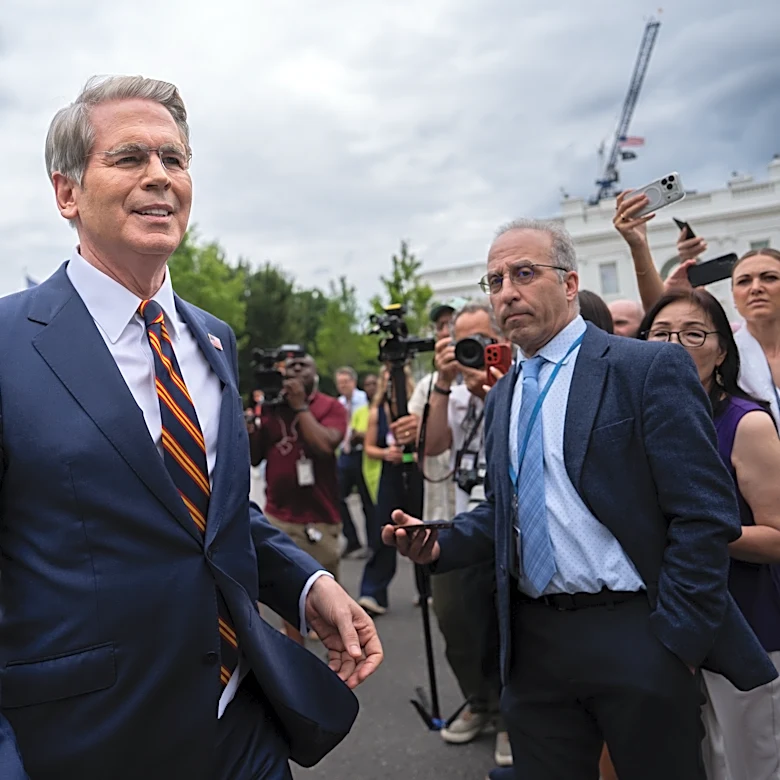
Senator Rick Scott (R-FL) has publicly denounced antisemitic rhetoric within the Republican Party, specifically calling out candidates James Fishback and Dan Bilzerian. Fishback, running against Rep. Byron Donalds (R-FL) and Lt. Gov. Jay Collins (R-FL) in the gubernatorial
primary, has been accused of racist and antisemitic campaign tactics, including taunting Donalds over his race and defending neo-Nazi podcaster Nick Fuentes. Bilzerian, challenging Rep. Randy Fine (R-FL) for a congressional nomination, has posted AI-generated videos with antisemitic content, including suggesting Hitler's opinions should be 'revisited' and calling Fine a 'Jewish supremacist.' Senator Scott emphasized that the Republican Party is a broad coalition that will not tolerate antisemites and vowed to fight against such views. He expressed optimism that voters would reject these candidates in the upcoming Florida primary elections.
Why It's Important?
Senator Scott's strong condemnation highlights a significant internal struggle within the Republican Party regarding the presence and influence of extremist views. His statements underscore a broader effort to define the party's ideological boundaries and reject antisemitism, which could impact future candidate selections and party messaging. The targeting of specific candidates like Fishback and Bilzerian, who have openly embraced antisemitic and racist narratives, forces the party to confront these issues directly. This stance is crucial for maintaining the party's credibility and appeal to a wider electorate, as tolerance of such rhetoric could alienate moderate voters and key demographic groups. The situation also reflects the increasing challenge of combating hate speech, particularly when amplified through new technologies like AI-generated content, in political campaigns.
What's Next?
The immediate focus will be on the outcomes of Florida's primary elections, where voters will decide the fate of candidates like James Fishback and Dan Bilzerian. Senator Scott's public opposition may influence voter perception and turnout in these races. Beyond the primaries, the Republican Party will likely continue to grapple with how to address and prevent antisemitic and extremist views from gaining traction within its ranks. This could lead to more explicit party guidelines, increased scrutiny of candidates' past statements and associations, and potentially more vocal condemnations from party leadership. The use of AI-generated content in political campaigns, as seen with Bilzerian, may also prompt discussions about regulating or monitoring such content to prevent the spread of hate speech and misinformation.
Beyond the Headlines
This situation extends beyond individual candidacies, touching upon the evolving landscape of political discourse and the challenges of maintaining civility and ethical standards in public life. The explicit nature of the antisemitic and racist remarks, particularly the use of AI to generate inflammatory content, signals a concerning trend in political campaigning. It raises questions about the responsibility of political parties to vet candidates and the role of social media platforms in moderating harmful content. The debate also highlights the tension between free speech and the need to combat hate speech, especially when it targets specific religious or ethnic groups. The long-term implications could include a re-evaluation of party membership criteria and a more robust defense against extremist ideologies attempting to infiltrate mainstream politics.