






What's Happening?
Japan's manufacturing sector experienced significant growth in July, marking its fastest pace in nearly twelve-and-a-half years. This surge is attributed to a rise in orders related to semiconductors and artificial intelligence products, as reported by
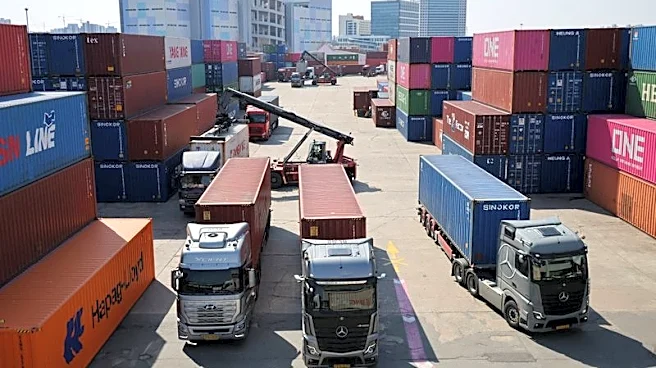
the S&P Global survey. The Japan Manufacturing Purchasing Managers' Index (PMI) recorded a score of 54.5, indicating a strong expansion in manufacturing activities. The increase in manufacturing output was driven by the highest rise in new orders since January 2022, with export orders growing at their fastest rate in over five years, primarily fueled by demand from Asia and the United States. Despite the positive growth, the sector faces challenges such as capacity pressures and elevated input costs due to ongoing geopolitical tensions in the Middle East.
Why It's Important?
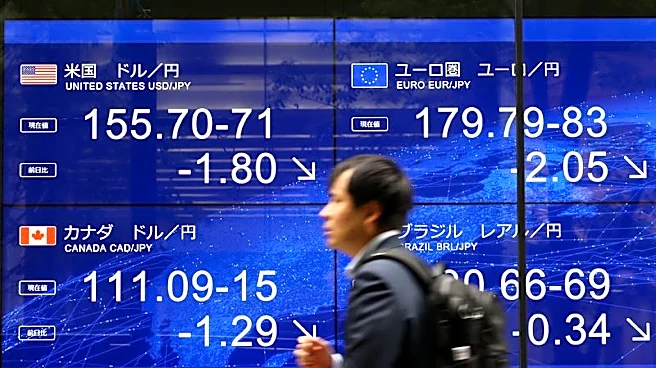
The robust growth in Japan's manufacturing sector highlights the global demand for semiconductors and AI-related products, which are crucial for technological advancements and economic development. This demand is beneficial for Japan's economy, potentially leading to increased employment and investment in the manufacturing sector. However, the capacity constraints and rising input costs pose challenges that could impact profitability and long-term sustainability. The situation also influences Japan's monetary policy, as the Bank of Japan may consider rate hikes to manage inflationary pressures, affecting currency valuation and international trade dynamics.
What's Next?
Japan's manufacturing sector is expected to continue benefiting from the global demand for semiconductors and AI products. However, companies may need to address capacity constraints and manage input costs to sustain growth. The Bank of Japan's potential rate hikes could impact the yen's value, influencing export competitiveness. Additionally, geopolitical developments in the Middle East could further affect input costs and supply chain stability, necessitating strategic adjustments by manufacturers.